finance
Darwin Retail Market Trends and What Businesses Need to Know Right Now
From shifting tenant mixes to new shopping centres, Darwin’s retail sector offers key insights for businesses navigating a transitioning landscape.
How we reported this
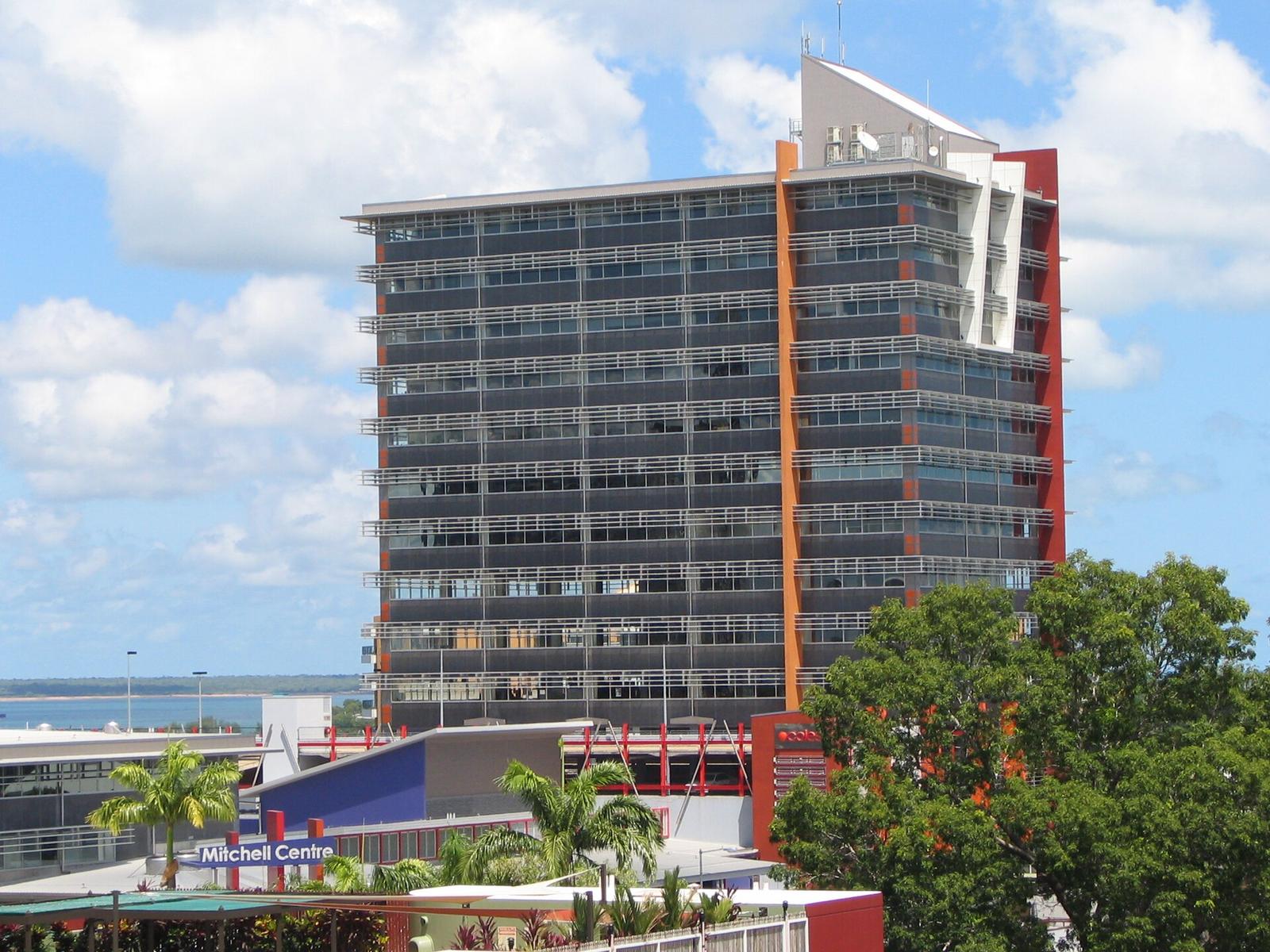
Darwin’s retail sector remains notably stable as it adapts to changing consumer preferences and urban growth, with an emphasis on service-based and healthcare retailers replacing traditional fashion and food outlets in many locations, according to a June 2025 market update by Commercial Property Marketing.
The shifting retail landscape in Darwin
The Darwin retail environment is evolving, reflecting wider demographic shifts and consumer behaviour changes. Retail landlords and tenants are seeing a pivot away from conventional high-street fashion and food retailers towards healthcare services and service-oriented businesses. This shift is underpinned by a population demanding convenience and wellbeing-related offerings, which has informed leasing strategies across suburban shopping centres and strip retail precincts.
In the city centre, for example, House of Darwin’s flagship store at 2/20 Knuckey Street opened as a bold bricks-and-mortar presence, designed to serve as a vibrant local territory flagship and attract foot traffic despite overall digital competition. Such openings underline that physical retail space still holds strategic value where experiential and community-focused retailing can flourish.
Growth corridors and future opportunities
Palmerston’s growing population, currently at around 36,000 residents, is driving retail expansion further afield from Darwin’s CBD. The $300 million Gateway Shopping Centre there has concentrated its first-stage leasing on fashion retailers, showing confidence in fashion demand in Darwin’s fastest-growing catchment area.
This kind of investment signals to retailers and investors alike where growth opportunities lie as urban populations shift and suburbs expand. However, the composition of tenants is becoming more diverse, with healthcare and diversified services predicted to complement traditional retail in these areas.
On a macro scale, the national retail spend increased by 5 percent year-on-year as of January 2026, reflecting ongoing consumer spending strength, underpinned by sectors such as electrical and electronic goods, which rose 3.9 percent in Darwin to June 2025. This growth supports cautious optimism for the local retail market amid broader economic conditions.
Meanwhile, e-commerce continues its upward trajectory, with Australia-wide online retail spending hitting $82.6 billion in 2025 and growing 14 percent year-on-year. Though this trend poses challenges to brick-and-mortar retailers, the rise of omnichannel sales, expected to exceed 50 percent of total retail revenue by 2026, highlights the evolving format of retail requiring integrated online and offline strategies.
What businesses need to consider going forward
For businesses in Darwin’s retail sector, recognizing these trends is crucial. Location remains valuable, particularly in suburban precincts serving population growth corridors like Palmerston, where the Gateway Shopping Centre anchors new consumer traffic. Meanwhile, retailers should evaluate the growing consumer demand for healthcare and service-based offerings when considering tenancy or expansion opportunities.
Adapting to omnichannel retailing models will be vital, blending physical stores with e-commerce capabilities to meet evolving customer expectations. Retailers and landlords alike should continue monitoring the sector’s tenant mix shifts, demographic changes, and consumer spending patterns to stay competitive.
As Darwin’s retail scene maintains a degree of stability despite national and global uncertainties, businesses armed with local insight and flexibility in their retail formats are best positioned to navigate the changes ahead.
This article is general information only and is not personal financial or investment advice. Consider your own circumstances and seek licensed professional advice before making financial decisions.
References Sourced but Not Limited to:
- insideretail.asia · Seven stunning new store openings redefining retail in australia
- retail.org.au · Industry dashboard
- realestatebusiness.com.au · 29817 economic growth drives darwin s commercial property market boom
- assets.kpmg.com · Australian retail outlook 2025
- assets.aboutamazon.com · Retail trends observations on australian retail
- commo.com.au · Darwin