business
Darwin retail market trends in 2026: what businesses need to know now
From new flagship stores to shifting tenant profiles, the retail sector in Darwin shows steady resilience amid changing consumer priorities and population growth.
How we reported this
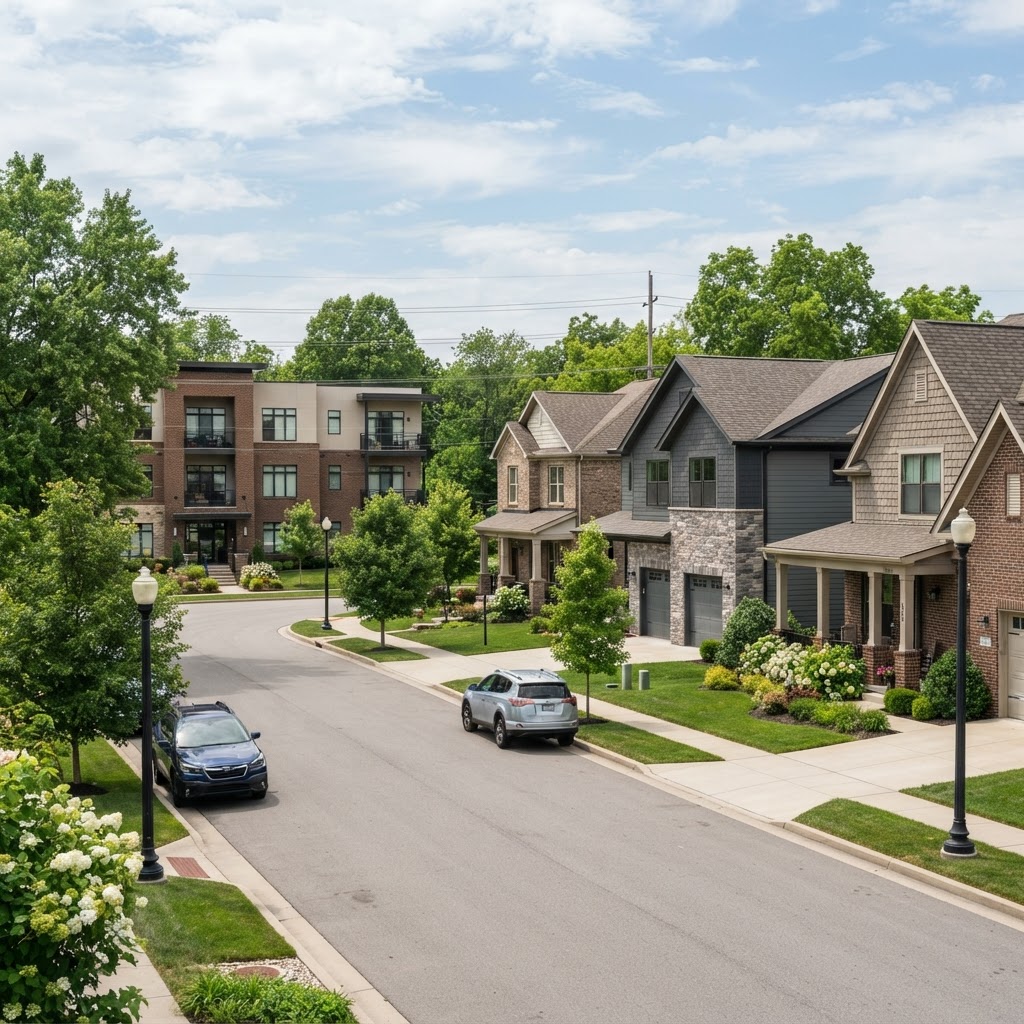
House of Darwin recently opened a bold brick-and-mortar flagship store at 2/20 Knuckey Street in Darwin’s CBD, marking a significant local retail milestone and reaffirming confidence in the city’s core shopping precinct. This move highlights the ongoing vitality within Darwin’s retail landscape amid evolving market conditions [2].
Steady growth amid shifting retail tenants
Darwin’s retail sector continues to display stability despite broader economic uncertainties. Suburban shopping centres and strip retail locations remain attractive to tenants, though there is a noticeable shift in the types of businesses taking up space. Traditional fashion and food outlets are increasingly supplanted by healthcare and service-based retailers, reflecting changing consumer needs and demographic trends in the region [4]. This transition aligns with a decade of rapid population expansion, particularly in Palmerston-the area around Darwin-where the population jumped from 20,000 to 36,000 residents in the last ten years [7].
The Gateway Shopping Centre in Palmerston, a $300 million development, serves as a case in point. Its first leasing stage was underpinned mainly by fashion retailers catering to this fast-growing community, signalling a strategic focus on sectors that still draw strong local interest despite shifts elsewhere in the market [7].
Costs and consumer behaviour shaping opportunities
Retail rents in Darwin reveal significant variation depending on location and tenant type. Strip retail spaces command rents between $300 and $400 per square metre, while shopping centres-favoured by government and service-sector tenants-can demand over $1,000 per square metre [4]. This pricing underscores the premium placed on high-traffic, serviced retail environments within regional hubs.
On the demand side, data from January 2026 shows that Australia-wide retail spend increased by 5% year-on-year. However, price sensitivity remains a dominant force across consumer behaviour, with 86% of shoppers prioritising price in their purchasing decisions [3][11]. This has important implications for businesses operating in Darwin’s mixed retail formats, especially for those balancing rent costs with competitive pricing strategies to attract value-conscious buyers.
In this context, physical retail remains relevant, demonstrated by House of Darwin’s new flagship presence that serves as a vibrant showcase of local territory and identity, which can help differentiate retailers amid the price-sensitive climate [2].
For businesses eyeing entry or expansion in Darwin, the prevailing market conditions suggest a need to adapt to both demographic shifts and consumer preferences. Emphasizing service-based offerings or healthcare-related retail may offer more resilience than traditional sectors alone. Additionally, careful consideration of rental costs relative to foot traffic and tenant mix can optimize sustainability in the market.
With the Northern Territory’s ongoing development projects, population growth, and workforce strategies underpinning economic stability, Darwin’s retail market promises continued, if measured, opportunities for adaptable and well-positioned businesses [5][6]. Keeping an eye on these factors will be critical as local companies and newcomers navigate the Darwin retail landscape.