culture
The History and Evolution of Darwin's Local Cultural Scene
Archival records and new programming trace how the city's arts community rebuilt and expanded across seven decades.
How we reported this
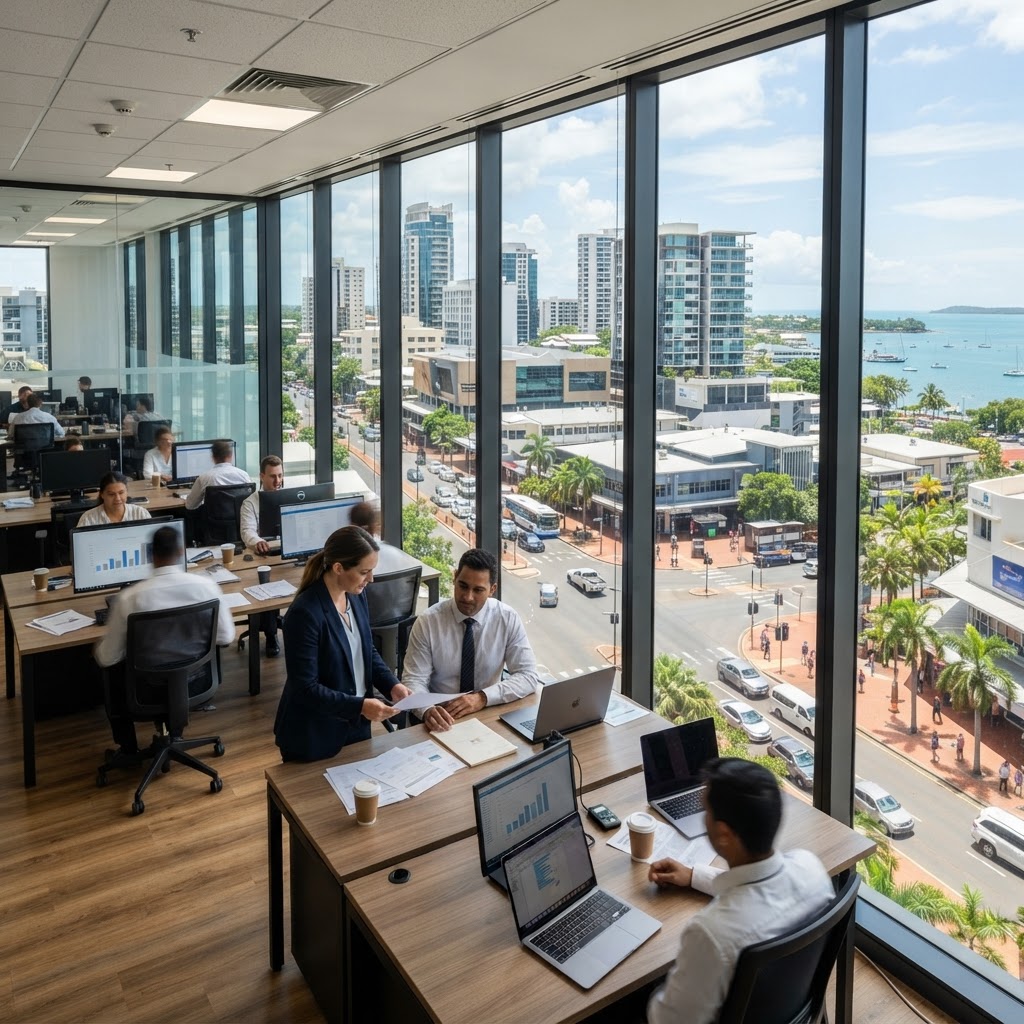
The Darwin Cultural Archive project released its first public timeline on July 10 at a venue on Mitchell Street, mapping the local scene from 1950s amateur theatre groups through to 2026 digital installations.
The report arrives ahead of the 2026 Darwin Festival and coincides with a Northern Territory government allocation of $1.2 million for heritage arts infrastructure, giving planners concrete benchmarks for future site decisions.
Rebuilding After 1974
Survivors of Cyclone Tracy formed the nucleus of the scene when they reopened makeshift performance spaces along The Esplanade within eighteen months of the disaster. The Darwin Entertainment Centre on Mitchell Street, completed in 1984, became the first purpose-built venue and still hosts the majority of touring productions. Parallel growth occurred at the Museum and Art Gallery of the Northern Territory in Fannie Bay, which began dedicated contemporary Indigenous exhibitions in 1992 and now runs the annual 20/20 emerging-artist series.
Parap Markets, operating every Saturday since 1994 on Parap Road, provided the first regular outdoor platform for local musicians and visual artists, drawing 3,200 visitors on an average weekend in its early years.
Attendance data compiled by the City of Darwin shows combined participation in these three sites climbed from 14,800 people in 2000 to 67,400 in the 2025 financial year, with average ticket prices rising from $12 to $28 over the same period.
Programming Shifts Ahead
Organisers plan to digitise the remaining 1,800 physical records by December 2026 and will install interactive kiosks at both the Mitchell Street centre and the Fannie Bay museum. Residents can view the full timeline free of charge during regular opening hours and submit personal photographs or programs for the next update cycle through the archive website.