community
Kakadu: Darwin's World Heritage Backyard
The world's largest national park is three hours from the city centre.
How we reported this
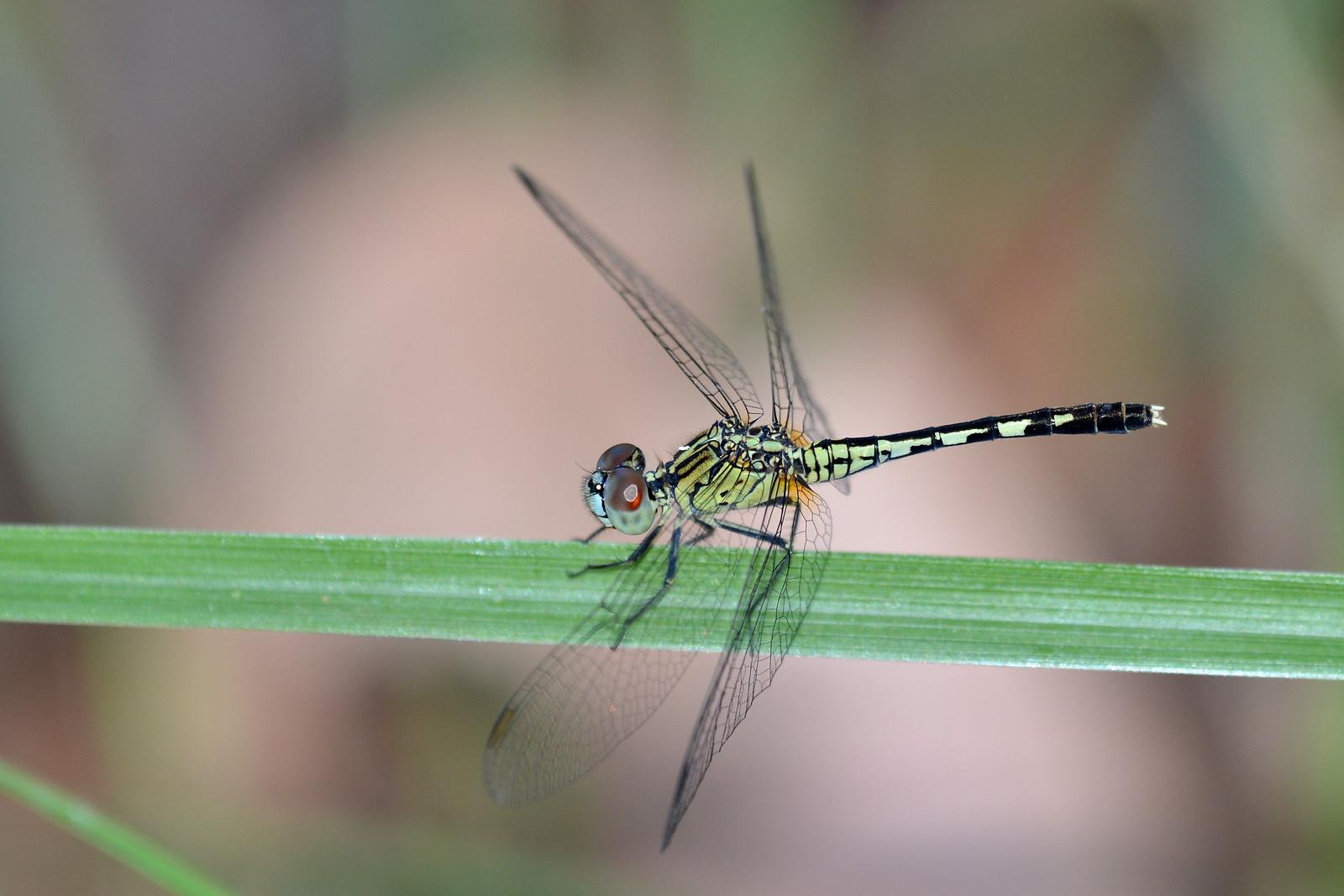
Kakadu National Park, three hours drive from Darwin, is one of the world's great national parks, protecting a landscape of extraordinary ecological, geological, and cultural significance across 19,804 square kilometres of the Northern Territory's Top End. The park's dual World Heritage listing, recognising both its natural and cultural values simultaneously, reflects the inseparability of the land's ecology from the 65,000-year history of the Bininj and Mungguy people whose traditional management of the country has shaped the landscape that visitors experience.
The rock art galleries at Ubirr and Nourlangie are the park's most visited cultural sites, providing the most accessible experience of an art tradition that extends back at least 20,000 years and that provides the most extensive record of ancient human life and thought in the world. The paintings depict animals, ceremonies, spiritual beings, and historical events including the arrival of the Macassan trepang fishermen from Indonesia and the first European ships, creating a visual history that gives the artwork its extraordinary depth.
The wetlands of the Kakadu floodplain, visible from the Yellow Water cruise that operates from Cooinda, support one of Australia's highest concentrations of waterbird species. The Yellow Water Billabong's combination of saltwater crocodiles, jabiru storks, magpie geese, brolgas, and the extraordinary diversity of ducks, herons, and kingfishers provides a wildlife experience that the dry season concentrates as the surrounding wetlands contract to the permanent water bodies that the animals depend on.
The seasonal changes in Kakadu are dramatic, with the Wet season's floods transforming the landscape into an inland sea before the Dry season's water recession creates the dry grassland and billabong environments that most visitors experience. The park's double World Heritage significance and the Bininj and Mungguy ownership and co-management of the park create an unusual governance structure that balances tourism with cultural and ecological protection.