property
Darwin Renters Dodge $500k Property Trap as Affordability Crisis Deepens
As Northern Territory property prices climb toward $500k, a growing cohort of Darwin workers face an uncomfortable truth-the maths no longer favour homeownership for everyone.
How we reported this
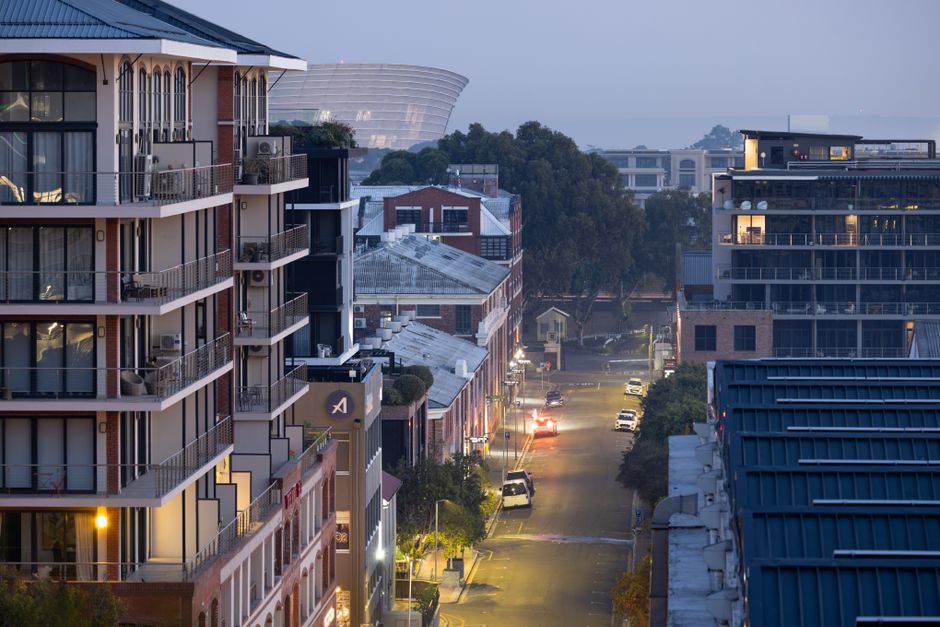
On paper, Darwin's property market looks like a steal. With a median house price hovering around $490,000 and rental yields sitting at a nationally leading 6-7%, savvy investors have circled the Territory like seagulls to Mindil Beach. But for everyday workers-teachers, nurses, government employees-the gap between renting and buying has widened to a chasm that defies conventional wisdom.
The numbers tell a sobering story. To comfortably service a mortgage on a median-priced Darwin home, financial experts suggest you need a household income of roughly $130,000-$150,000 annually. That's a significant jump from the NT average salary, and it's pushing homeownership out of reach for single-income earners and families relying on one steady government or mining sector wage.
Consider the Palmerston precinct, where Darwin's growth is most visible. A three-bedroom home in suburbs like Durack or Ngunnawal now commands $520,000-$580,000. Meanwhile, a similar property rents for $2,200-$2,400 monthly-or $26,400-$28,800 annually. For renters with disciplined savings habits, that's nearly $15,000 a year that could be invested elsewhere, freed from the crushing weight of a 30-year mortgage.
The hidden cost of homeownership extends beyond repayments. Stamp duty on a $490,000 property in the NT adds roughly $19,000 to upfront costs. Land tax, council rates, maintenance reserves, and insurance pile on another $5,000-$7,000 annually. Renters, by contrast, face none of this friction.
What complicates the picture further is market volatility. Darwin's property sector has historically been more volatile than Melbourne or Sydney, with price movements closely tied to mining cycles and government employment fluctuations. A downturn could quickly erase equity gains, leaving first-time buyers underwater on their investment.
That said, renting in Darwin isn't risk-free. Rental stress is real-vacancy rates remain tight across inner suburbs like Fannie Bay and Larrakeyah, pushing competition fierce. Tenancy rules, whilst protective, don't guarantee long-term stability.
The takeaway? Darwin's property market works beautifully for investors and high-income households. For others, the traditional path to homeownership might warrant serious reconsideration. Renting while building alternative investments-shares, superannuation, or even regional property markets-could deliver superior long-term wealth outcomes than stretching finances to own a Darwin home today.
The question isn't whether to buy or rent in Darwin anymore. It's whether the personal, financial, and lifestyle costs align with your actual circumstances.
This article is general information only and is not personal financial or investment advice. Consider your own circumstances and seek licensed professional advice before making financial decisions.