finance
Retirement Planning Trends Shift Talent Dynamics in Darwin
As the ASX 200 retreats slightly, growing retirement savings reshape workforce participation and local job markets in Northern Australia.
How we reported this
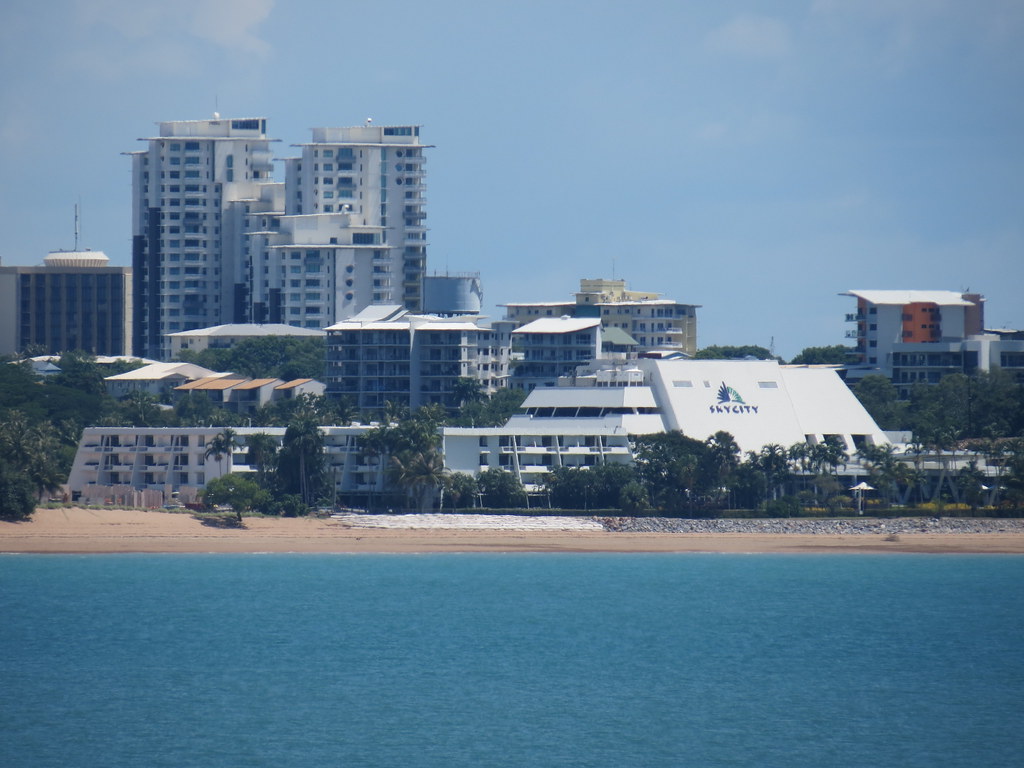
The ASX 200 slipped 0.43% to 8,806 at midday on July 12, reflecting a cautious mood among Australian investors amid mixed global cues. Yet closer to home in Darwin, shifts in retirement planning behaviour are quietly but markedly altering the local labour market, with important implications for high-yield investors and sectors tied to mining, gas, and defence spending.
Darwin's economy, traditionally reliant on resource extraction and government contracts linked to defence, faces changing workforce composition as more employees engage with their superannuation and retirement savings earlier and with greater sophistication. With the Australian dollar advancing 0.26% to 0.6955 US cents, Australians' purchasing power abroad edges up, influencing decisions on retirement timing and asset allocation.
One key trend is the rising engagement of workers aged 50 and above in retirement planning, altering retirement timelines. The desire to bolster superannuation balances has prompted many staff to extend their working years, reshaping talent pipelines especially in mining and energy subsectors dominant in the Northern Territory. This effect compounds with persistent yield-seeking attitudes in the region, where investors keenly monitor sectors offering stable dividends amid recent market volatility.
Impact on Local Talent Markets and Sectors
This phenomenon also influences recruitment and retention strategies in Darwin's key industries. Companies listed on the ASX 200 with regional operations, such as gas giant Santos and mining firm South32, are reporting difficulty replacing skilled roles as seasoned employees postpone retirement to grow their superannuation nest eggs. The All Ordinaries index dropped 0.49% to 9,004, reflecting broader market uncertainties, but regional employers are grappling with a tightening labour supply context distinct from coastal capitals.
Moreover, government investment in defence infrastructure around Darwin further complicates workforce dynamics. Older, experienced staff delay exit to maximise super savings amid signals of inflationary pressures weighing on disposable income. While the US S&P 500 rose 1.23% and the Nasdaq Composite climbed 1.74% today, suggesting buoyant sentiment overseas, cautiousness on local markets underlines how financial planning considerations drive workplace choices.
High-yield sectors such as energy and infrastructure align with investors’ preferences to protect capital and income streams. The slight dip in the gold price to US$4,114 an ounce (-0.76%) contrasts with oil prices firming, with WTI crude advancing 1.38% to US$71.41 a barrel, underscoring selective investor appetite. This mix influences super fund asset allocations, compelling fund managers to balance growth with defensive positions-an approach that feeds back into employee retirement readiness and hence labour market participation.
For Darwin residents, the interplay between superannuation growth ambitions and job security is palpable. Mortgage holders and savers watching the 0.26% rise in the AUDUSD rate now factor foreign exchange shifts into their retirement calculations. Those in mining and gas sectors must navigate delayed workforce succession while employers refine talent management to accommodate extended career spans triggered by changing retirement planning behaviours.
Investors and policymakers alike should take note: as retiree cohorts transform their financial strategies, they also reshape Darwin’s capital and labour markets. Modelling talent flows through the lens of evolving retirement intentions offers valuable foresight into local economic resilience amidst broader market fluctuations.
This article is general information only and is not personal financial or investment advice. Consider your own circumstances and seek licensed professional advice before making financial decisions.