lifestyle
Darwin's tight-knit communities attract Australians fleeing expensive coastal cities.
As property markets cool nationwide, Darwin's tight-knit communities and year-round outdoor culture are attracting people tired of sprawling suburbs and expensive coastal capitals.
How we reported this
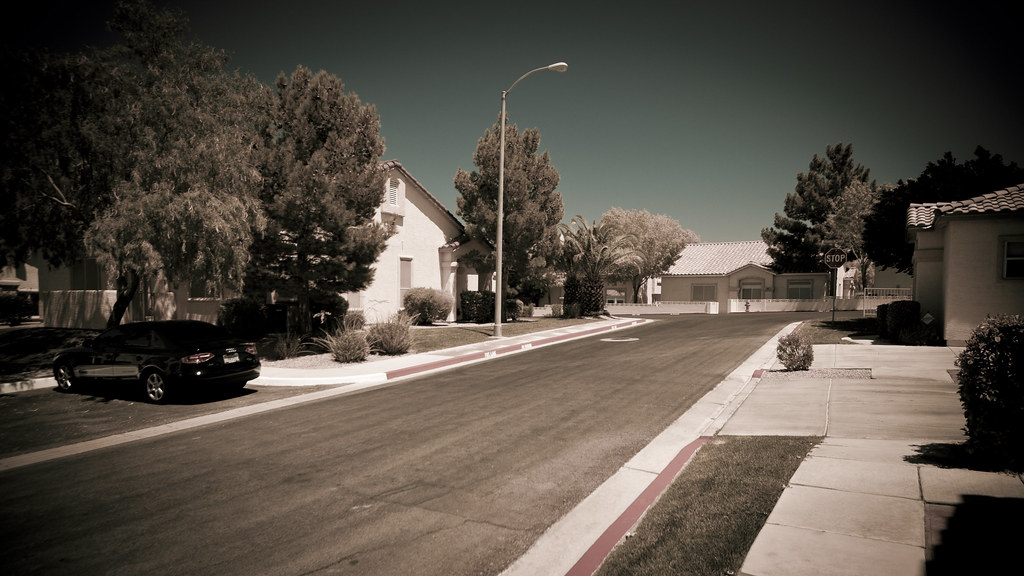
Darwin doesn't do suburbs the way Sydney does. In Larrakeyah, where the Stuart Highway meets the Timor Sea, you'll find workers grabbing barramundi and mud crabs at the wharf markets at dawn, then heading to offices in the CBD three kilometres away. In Fannie Bay, retirees share apartment blocks with young families who've ditched Melbourne's endless commutes. The whole city feels like a neighbourhood, minus the anonymous sprawl that defines most Australian capitals.
That's become a real asset as Australia's property market enters new territory. With first-home buyers increasingly priced out of Sydney and Melbourne, and Brisbane's growth pushing outer suburbs further from the city, Darwin offers something genuinely different: a place where the city centre is walkable, where community still means something tangible, and where you don't need $800,000 just to own a modest house. The Northern Territory's population has been growing steadily-up 2.8 percent annually between 2020 and 2024-and lifestyle is driving much of that movement.
Take the Parap markets. Every Wednesday night, the suburb's shopping precinct transforms into an open-air gathering spot where locals buy tropical fruit, clothes, and hot food, then stay for an hour drinking beer and talking to neighbours they'll see again next week. Compare that to the anonymous car parks of outer Brisbane or Melbourne, where people from adjacent suburbs have never met. Parap has roughly 3,800 residents, yet it functions like a town within a city.
Or look at the Darwin Sailing Club in Cullen Bay. The club has run for decades without the exclusionary pricing of similar venues in Sydney-annual membership sits around $600 for full participation-and it's become a genuine meeting point for everyone from retirees to young professionals. Kids learn to sail alongside investment bankers. That kind of mixing doesn't happen in gated communities.
The numbers tell a different story than the southern capitals
Median house prices in Darwin's inner suburbs averaged $585,000 as of mid-2026, compared to $1.2 million in inner Sydney and $950,000 in comparable Melbourne neighbourhoods. Rental apartments in the CBD run $450 to $600 per week, versus $550 to $750 in Brisbane's equivalent zones. The difference translates to real life: a couple earning $100,000 combined can actually buy here. A young family doesn't need to sacrifice proximity to work for affordability.
The climate enforces community in ways that southern cities have lost. Seven months of intense heat means outdoor life isn't optional-it's structural. Outdoor dining, swimming, and gathering happen constantly. The Darwin Film Festival runs each August at the open-air Deckchair Cinema in Cullen Bay, where people bring cushions and sit under the stars. Try that in Melbourne in August. The Mindil Beach Sunset Markets, operating Thursday to Sunday during the cooler months, draw thousands of locals who've built the ritual into their weekly rhythms.
What makes Darwin genuinely distinct isn't nostalgia. It's the absence of certain modern problems. You won't find hour-long commutes from outer suburbs here-the entire metropolitan area is 130 square kilometres. You won't find the stratified neighbourhoods of Sydney, where postcodes determine social class. You won't find the cultural insularity of some Australian cities, either. Darwin has a higher percentage of residents born overseas than any Australian capital except Melbourne, and the city's Indigenous population remains visible and central to civic life in ways that often disappear in southern cities.
The practical reality is that Darwin works best for people who value proximity and community over climate reliability. Cyclone season from November to April means insurance is expensive and disruptions are possible. The city remains smaller-population 150,000 across the metropolitan area-so job opportunities are narrower than in Sydney or Melbourne. But for people reconsidering what city living actually means, those trade-offs feel increasingly worth making.