lifestyle
Getting around Darwin: tips and honest recommendations from locals who live it daily
Navigating the Top End requires a mix of strategy, timing, and an appreciation for the unique rhythm of Darwin streets.
How we reported this
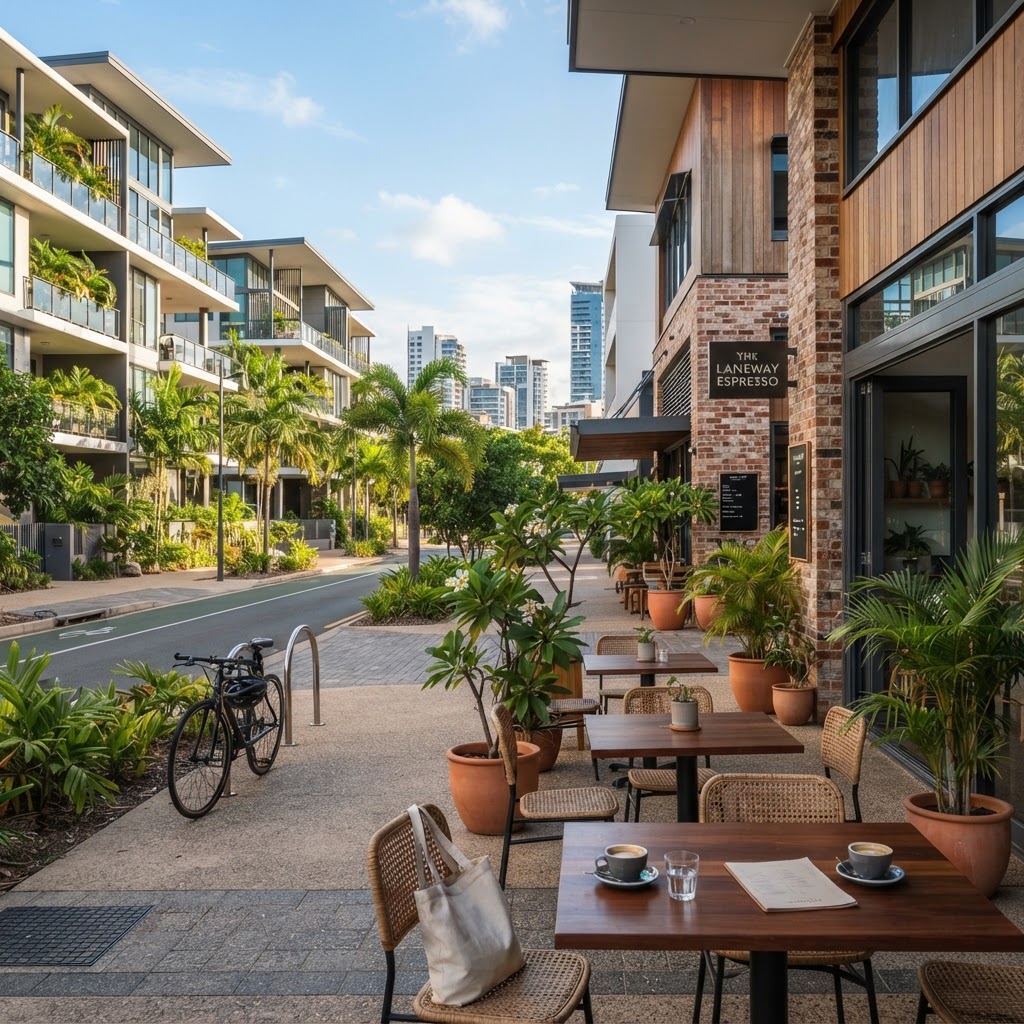
Navigating Darwin in the dry season demands more than just a set of keys or a bus pass; it requires a local understanding of the city's unique geography and infrastructure. As residents trade the humidity of the build-up for the clear, breezy afternoons of July, the city’s transport network remains the pulse of daily life. Whether you are traversing the suburbs of Parap or heading toward the waterfront, the way you move through the capital reflects how well you have adapted to the Top End lifestyle.
Mastering the commute and the cross-town route
For many Darwin residents, the reliance on private vehicles remains high, but those who lean into the public transport network-operated by Northern Territory Public Transport-often find relief from the parking crunch in the CBD. The interchange at the Darwin Bus Interchange serves as the central artery for the city. Local commuters frequently point out that timing is everything, particularly when planning travel between the northern suburbs and the city centre. Using the official journey planner remains the most reliable method for tracking bus arrivals during peak hours.
Cycling and walking infrastructure also play a significant role in how locals move, especially around the scenic pathways of the East Point Reserve. While the sprawling nature of Darwin can make walking a challenge, dedicated bicycle paths connect key precincts. Riding along the coastline provides a significant reprieve from the traffic congestion that can occasionally impact the Stuart Highway, particularly during the transition between the morning rush and midday.
Strategic travel and local habits
Taxis and rideshare services, including Uber and local private fleets, remain the go-to for late-night transit after dining at the Darwin Waterfront Precinct or visiting the markets in Nightcliff. Locals suggest that during high-traffic events, such as weekend festivals or major community gatherings, pre-booking travel is the most effective way to avoid delays. Staying updated on road conditions is equally important, particularly as construction works and seasonal events can shift traffic flow across the municipality.
Data from the Northern Territory Government indicates that investment in regional transport connectivity continues to be a focus for infrastructure development. While official figures on seasonal ridership fluctuations were noted in the most recent transport department reports, the general trend shows a strong reliance on arterial roads like Bagot Road to move the population between the northern suburbs and the commercial hubs. Planning your travel with these patterns in mind-avoiding the main arterial choke points when possible-is the hallmark of an experienced Darwin resident.
Looking ahead, the shift toward more integrated transport solutions is expected to shape future urban mobility. For now, the best advice remains simple: keep your transit app updated, acknowledge the limitations of the road network during peak cycles, and allow for the slower, relaxed pace that defines a Darwin day.