lifestyle
Why Darwin’s Green Spaces Define Its Global Character
Unlike the manicured gardens of southern capitals, Darwin’s public parks thrive on a unique tropical resilience that shapes the city's identity.
How we reported this
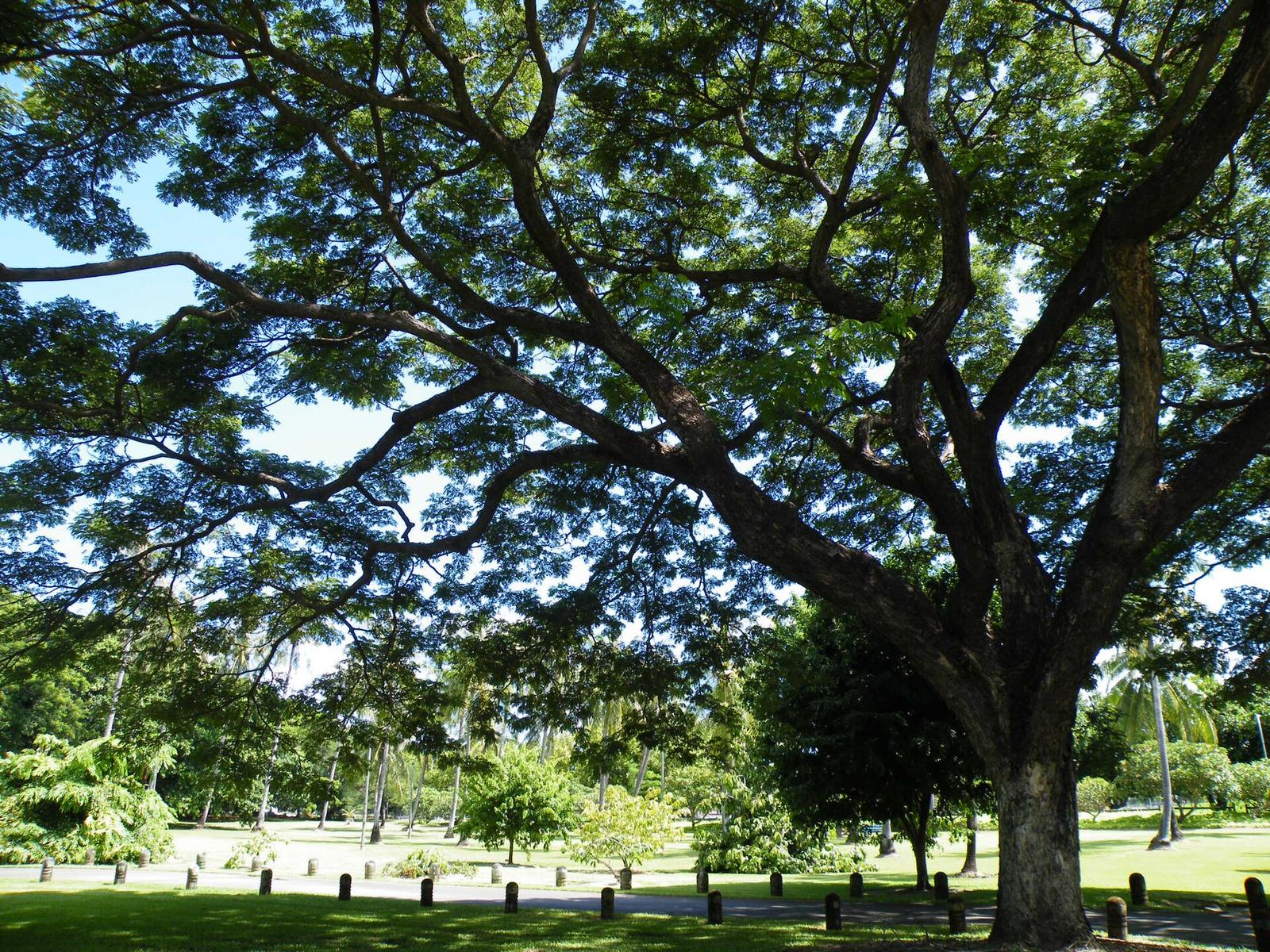
Darwin’s public parks serve a dual purpose in the mid-year season, acting as both essential recreational hubs and buffers against the heat for a city defined by its proximity to the equator. While other major global cities rely on temperate lawns, Darwin’s green spaces are shaped by the rhythms of the Dry, creating a landscape that is distinctly northern and unapologetically rugged.
The Tropical Aesthetic
The George Brown Darwin Botanic Gardens stand as the preeminent example of this unique ecological approach. Located near the bustling Stuart Park neighbourhood, these gardens manage to retain a lush, immersive canopy despite the intense climatic shifts typical of the Top End. Unlike botanical displays in Sydney or Melbourne, the collections here prioritise native monsoon forest species, showcasing how the city integrates wild, untamed bushland into a structured urban environment.
Another focal point for local activity is the Bicentennial Park, which stretches along the Esplanade. This space offers a panoramic vantage point over the harbour, providing residents with an accessible connection to the coastline. The park acts as a communal living room for Darwin, where the transition between the urban street grid and the maritime edge is seamless, a design feature often cited by urban planners for its ability to foster social interaction in a high-temperature climate.
Resilience and Growth
Maintenance of these areas remains a logistical focus for the local administration, particularly as seasonal patterns shift. According to recent public reporting from the Northern Territory government, management of public green assets requires ongoing investment to protect canopy cover and ensure irrigation systems function during the driest months. The city’s ability to sustain these parks provides a natural cooling effect, which remains a key component of the local urban development strategy.
For those looking to explore the city’s green lungs, the best time for a visit is during the early morning hours, before the sun reaches its peak. Residents often gather along the walking tracks near Myilly Point, taking advantage of the sea breeze that filters through the preserved native vegetation. As the city continues to develop, these protected pockets will remain vital to preserving the specific character that separates Darwin from other global urban centres.