news
Darwin's crime prevention model is drawing international attention, but the city is still waiting for the results to catch up
As Glasgow's violence reduction strategy gets a second look in Melbourne, Darwin has quietly been running its own version for years, with mixed outcomes that put it somewhere between inspiration and cautionary tale.
How we reported this
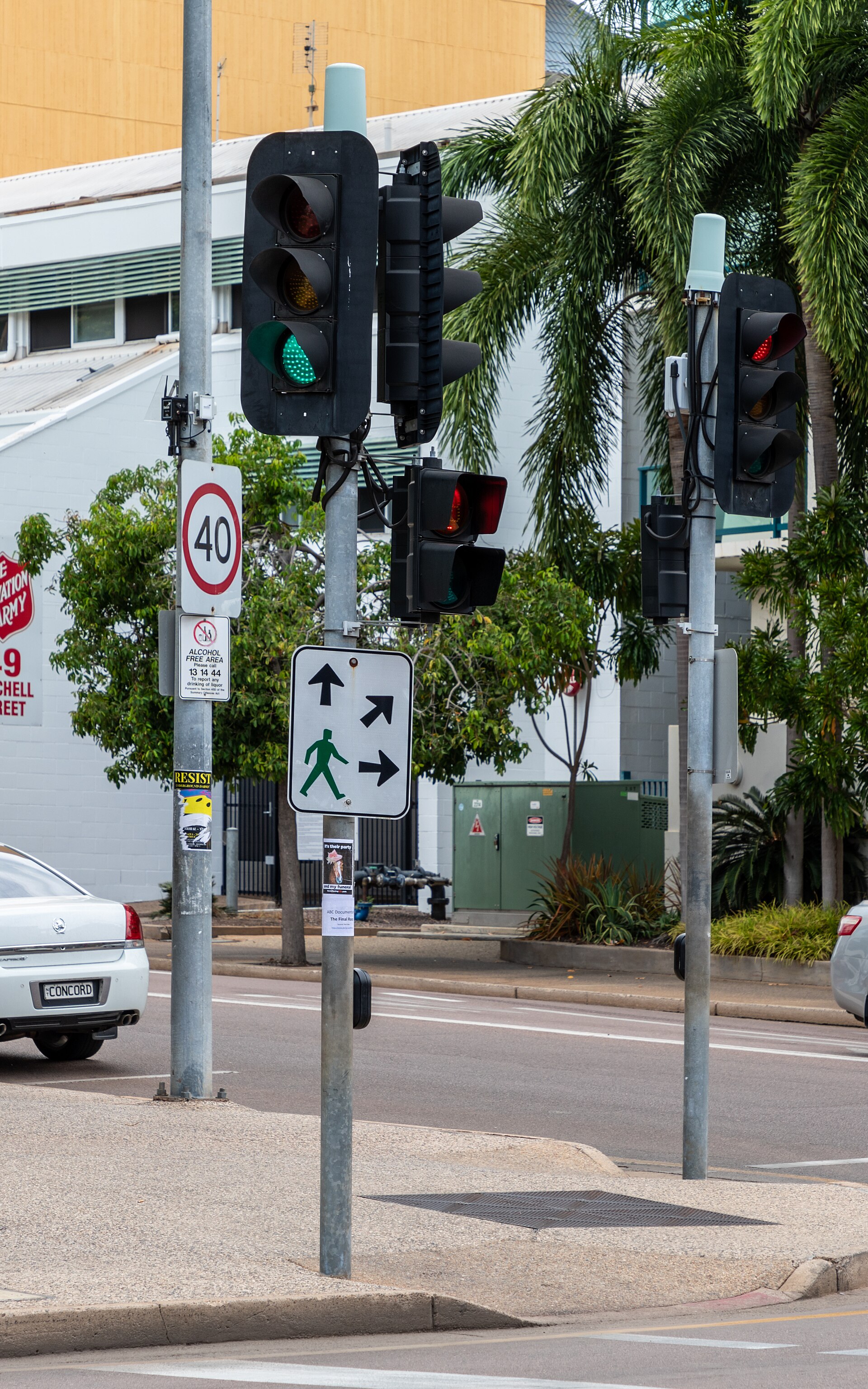
Darwin recorded 4,312 assaults in the 12 months to March 2026, according to NT Police figures, a rate that, per capita, still ranks among the highest of any Australian capital or major regional city. That number has barely shifted in three years. Meanwhile, Glasgow, once dubbed Europe's murder capital, has cut its violent crime rate by more than 60 percent over 15 years using a public-health model that Victoria is now eyeing. Darwin got there first in some respects. The question locals are asking is why the dial isn't moving faster.
The timing matters. With Victoria's government actively studying the Glasgow Violence Reduction Unit ahead of a possible Melbourne pilot, and the NT Labor government defending its record on community safety ahead of a 2027 election cycle, Darwin's experience is suddenly a data point everyone wants to cite but few want to examine too closely. The city has operated its own place-based intervention programs for close to a decade, including through the Street to Home initiative run out of the Darwin City Deal framework and the Larrakia Nation Aboriginal Corporation's outreach work across the Parap Village and Nightcliff foreshore precincts.
What Darwin is actually doing
The Territory Families, Housing and Communities department has been funding the Darwin Safer Pathways program since 2021, targeting the Casuarina and Malak corridors, two suburbs that account for a disproportionate share of the city's antisocial behaviour callouts. The program embeds social workers alongside NT Police on Thursday and Friday nights, mirroring in structure, if not in scale, what Glasgow's VRU was doing by 2007. Larrakia Nation runs parallel youth engagement sessions at the Bagot Community and on the waterfront around Stokes Hill Wharf, keeping young people aged 13 to 24 off the streets during peak hours.
Darwin's challenges differ from Glasgow's in one critical respect: roughly 30 percent of the city's population identifies as Aboriginal or Torres Strait Islander, and many residents cycle between remote communities and the urban centre, a pattern no Scottish city has had to design around. The Casuarina Square precinct on Trower Road sees this dynamic play out nightly. Security firms there have reported a measurable drop in incidents since a 2024 trial introduced dedicated Aboriginal community patrol officers, two per shift, funded partly through the Safer Communities Program administered by the federal Department of Home Affairs, but the data remains anecdotal and no formal evaluation has been published.
Where the comparison starts to strain
Glasgow's model worked partly because it was funded at scale: the Scottish Violence Reduction Unit received £4.5 million in its first five years and had unbroken political backing through multiple government changes. Darwin's patchwork of programs draws from at least six different funding streams, several of which expire in December 2026. Community sector workers in Stuart Park who spoke on background described a system where organisations spend as much time writing acquittal reports as running programs.
The NT government allocated $18.3 million for community safety initiatives in its 2025-26 budget, a figure that sounds substantial until you divide it across the 27 remote communities and four Darwin-area programs it is meant to serve. Wellington Square in the CBD, redeveloped in 2022 at a cost of $9 million, was explicitly designed with Crime Prevention Through Environmental Design principles, better lighting and sightlines replacing the old shelter configurations. Antisocial behaviour incidents in the immediate precinct fell about 40 percent in the year after reopening, though critics note displacement rather than reduction may explain part of that drop.
What happens next depends largely on whether Canberra extends the federal Safer Communities funding past its current sunset date and whether the NT government can consolidate its fragmented program landscape before the next budget cycle. Community organisations around Rapid Creek and the Nightcliff markets have already been told to prepare submissions for renewed funding rounds opening in August. For residents watching the Glasgow conversation unfold in the southern states, the message from Darwin is blunt: the model can work here, but only if someone commits to running it long enough to find out.