news
Darwin City Council’s current path shaped by long-term pressures and local priorities
Understanding how historical challenges and recent shifts have influenced council decision-making in Darwin.
How we reported this
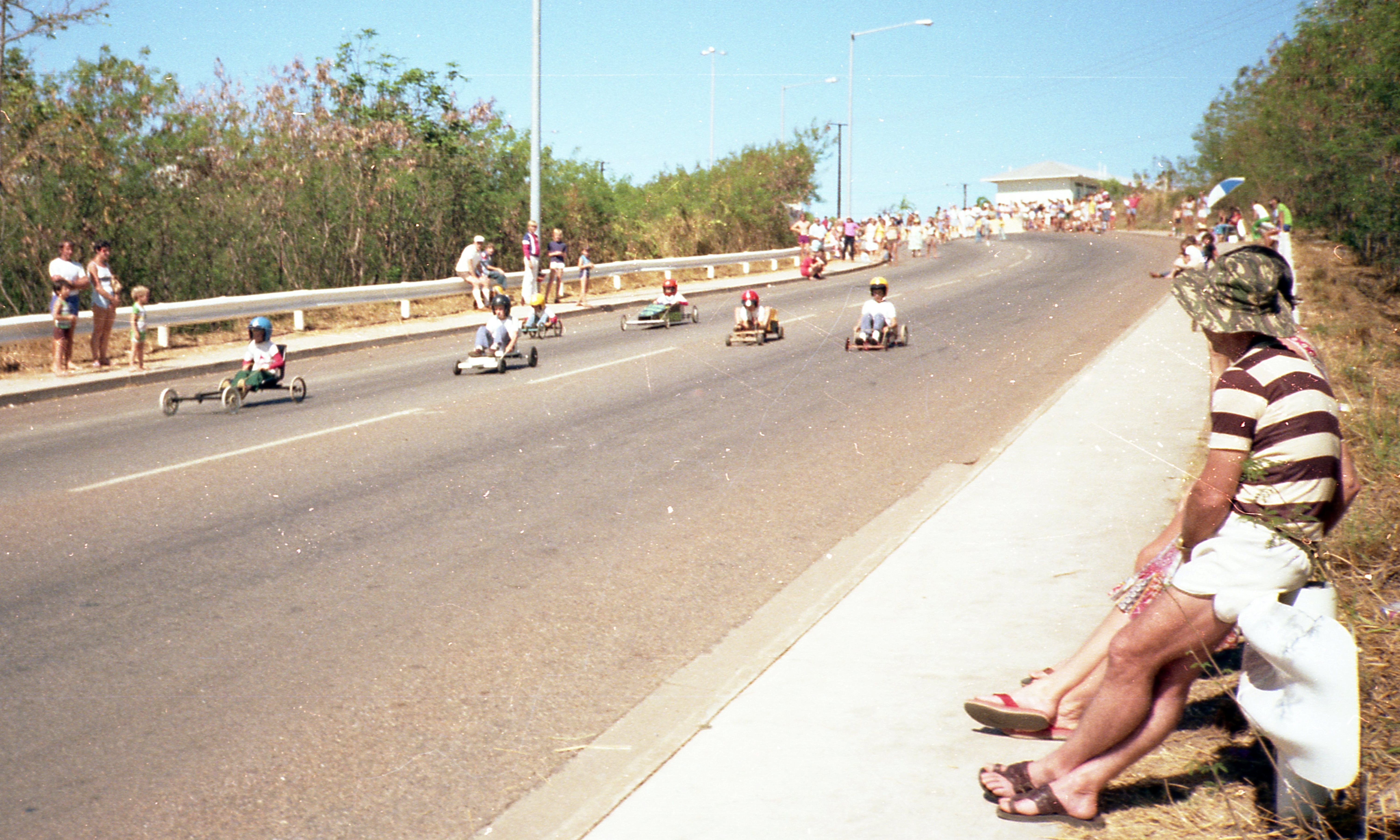
Darwin City Council’s recent decisions and policy directions are the product of accumulated pressures from community needs, infrastructure demands, and broader Northern Territory political dynamics. The council’s current stance reflects both the persistent issues facing the city and evolving expectations from residents, local businesses, and government stakeholders.
Why this moment matters in the city’s governance
The council’s actions resonate amid a backdrop of increasing public scrutiny over urban development, housing, and service delivery in Darwin. As the Northern Territory Government continues to prioritize remote community housing investment and address contentious land rights and royalty disputes, local governance bodies like the Darwin City Council have had to recalibrate their strategies to align with territorial-level shifts. Additionally, the city is navigating changes prompted by defence infrastructure expansion under the AUKUS partnership and the rotational presence of US Marine forces, which injects new urgency into urban planning and community relations.
Municipal decision-making also must contend with heightened expectations from a diversifying Darwin population and an economy still finding its post-pandemic footing. This climate makes council responsiveness crucial in setting realistic yet forward-looking policies.
Local factors shaping council priorities
Within Darwin, specific projects and areas have underscored the council's focus. The push for improved community amenities and infrastructure upgrades in established neighbourhoods has intensified, as has attention to maintaining public spaces and supporting local businesses disrupted by fluctuating tourism numbers. Recent emphasis on enhancing remote community housing has paralleled broader NT Government programs targeting better living conditions for First Nations people, reflecting a complex interplay between local council initiatives and territorial investments.
While the council itself does not directly administer remote housing programs, pressures to accommodate population growth and migrant communities place additional demand on city services and planning. This includes managing spaces impacted by the influx of visitors attending events such as the biennial Garma Festival, which spotlights First Nations cultural and political issues, amplifying the importance of inclusive urban policy.
Strategic infrastructure planning also ties into the proximity of defence facilities established under the AUKUS agreement, which increases the city’s profile as a key northern hub, bringing both economic opportunities and community integration challenges.
The evidence behind council’s current position
Although specific statistics about council budgets or project costs are not cited here, the qualitative landscape is one of cautious optimism mixed with recognition of ongoing constraints. For instance, the council’s plans have been influenced by NT Labor government priorities announced in recent years, aiming for sustainable development and responsive service delivery in regional centres.
These political and social currents provide the context for council activity, with decision patterns indicating a balancing act between growth management and protecting community values. The practical outcomes and detailed evaluation of council projects will depend on evolving partnerships with the Northern Territory government and federal stakeholders involved in regional development.
Looking ahead: what residents and stakeholders should expect
Darwin City Council is likely to continue navigating complex pressures without abrupt policy shifts. Residents can anticipate steady, incremental improvements focused on infrastructure renewal, community engagement, and support for business resilience. Collaboration with Indigenous organisations and the NT Government will remain vital, particularly in addressing housing needs and cultural inclusion.
For locals and observers, staying informed through council briefings and public consultations will be key to understanding how planned initiatives unfold. The council’s role as a mediator between diverse interests positions it as a critical component in Darwin’s ongoing growth and adaptation within the broader Northern Territory context.