news
Transport and Traffic in Darwin: What It Means for Local Residents and Communities
As the Northern Territory capital grows, the patterns of transport and traffic directly shape daily life and community wellbeing in Darwin.
How we reported this
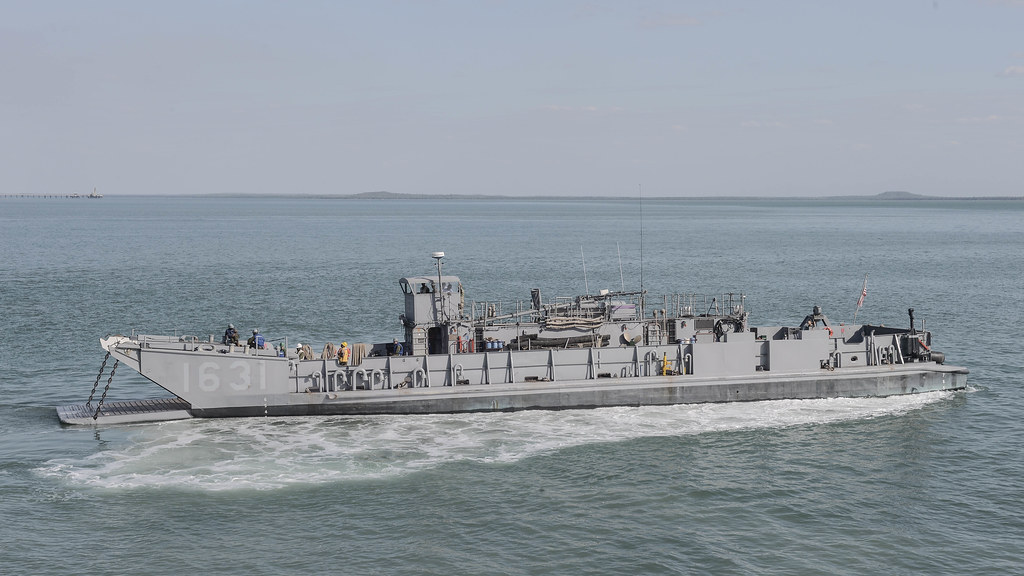
Darwin’s transport and traffic issues have become a focal point for residents and local authorities alike, reflecting the city's evolving demands as it balances growth with community needs. Congestion, infrastructure strain, and access challenges are increasingly impacting how people move around, affecting work, education, and social connections.
Why Transport Matters Now in Darwin
The current spotlight on transport and traffic comes amid a confluence of developmental pressures in the Northern Territory capital. With an expanding population and significant defence activity linked to the US Marine rotation and the AUKUS partnership, the city's road networks and public transport services face new challenges. These strains influence not just the efficiency of daily commutes but also the quality of life for Darwin residents.
Accessibility remains a pressing concern. For suburban neighbourhoods and remote areas within the greater Darwin region, reliable and timely transport is essential to maintain links with essential services, workplaces, healthcare, and education facilities. In a city where Aboriginal land rights and the surrounding cultural landscape are integral, transport decisions ripple through communities, shaping social equity and economic opportunity.
Local Impact: Roads, Routes, and Community Life
Specific corridors in Darwin, particularly those leading from outer suburbs toward the city centre, experience peak-time congestion that exacerbates travel times and creates safety concerns for pedestrians and cyclists. The Northern Territory government’s ongoing investment in remote community housing intersects with transport access, as well-maintained, connected road networks are critical for residents’ mobility and emergency services responsiveness.
Public transport availability and schedules also weigh heavily on residents, particularly those in lower-income or culturally diverse communities. Without convenient options, many rely on private vehicles, which feeds back into traffic density and parking pressures in popular urban areas. Despite several infrastructure projects and discussions about boosting bus routes or introducing sustainable alternatives, progress in these areas often meets logistical and funding hurdles.
Community Wellbeing Through the Lens of Mobility
While exact statistics on Darwin’s traffic volumes or public transport usage were not available at this time, observational reports and community feedback point to a growing sense of frustration linked to transport inefficiencies. These issues can contribute to greater stress, reduce leisure time, and limit participation in social or cultural events, impacting overall community wellbeing.
The intersection of transport with broader issues such as affordable housing, Aboriginal land negotiations, and offshore gas regulation also means that traffic patterns are entwined with economic and social policy, requiring careful coordination among multiple governmental and community stakeholders.
Addressing transport and traffic challenges is not just about infrastructure but about bolstering Darwin’s social fabric and resilience in the face of change.
For residents, staying engaged with local government consultations and community forums such as the Garma Forum can provide pathways to influence transport planning. Practical advice includes exploring carpooling opportunities, supporting initiatives for enhanced public transport, and advocating for pedestrian and cycling safety improvements.
As discussions continue, the balance sought will be between accommodating growth, supporting community needs, and preserving the unique character of Darwin’s neighbourhoods.