news
Northern Territory infrastructure projects prompt varied responses from officials and experts
Officials and key figures discuss challenges and prospects amid ongoing development efforts in Darwin and beyond.
How we reported this
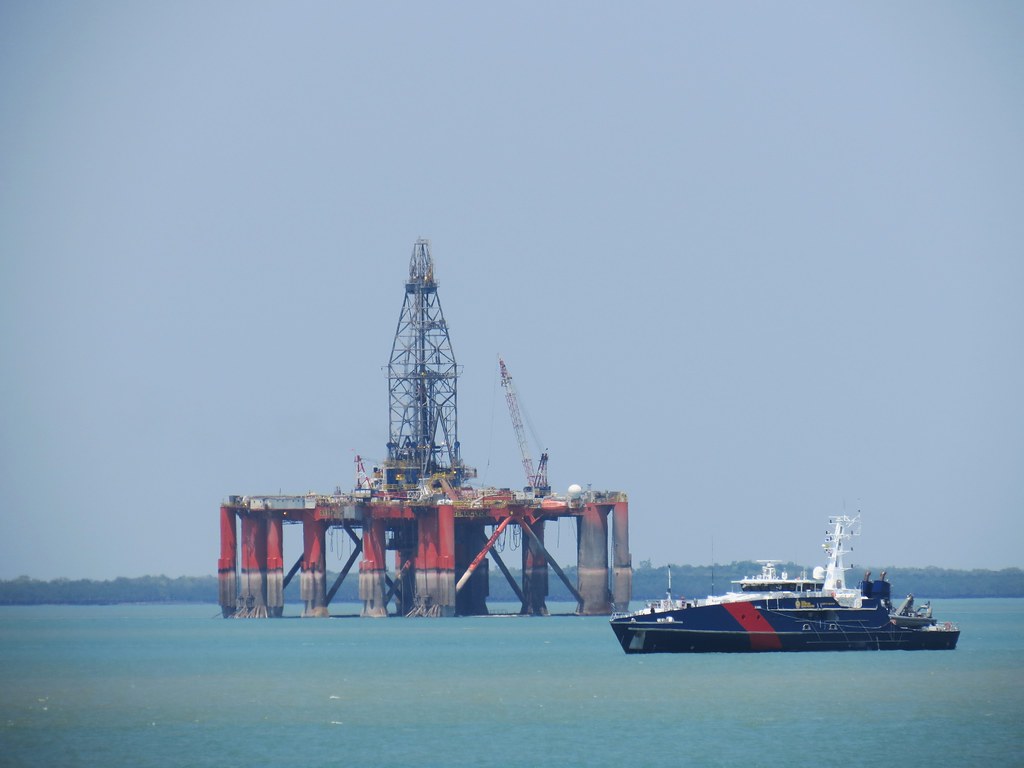
The Northern Territory government and associated organisations continue to push forward on numerous infrastructure projects across the region, sparking a range of opinions from officials, experts and community leaders. As investments in housing, defence, and land management ramp up, the voices around the future shape of the Territory’s built environment reveal both cautious optimism and calls for measured progress.
Why infrastructure gains urgency in the NT
The Northern Territory’s infrastructure development has gained new significance amid ongoing defence build-ups linked to AUKUS and the increased presence of US Marines. Alongside this, longstanding issues such as Aboriginal land rights, royalties disputes, and housing shortages in remote communities remain pressing concerns, influencing planning and funding priorities. This convergence of strategic, social and economic factors has thrust infrastructure into the spotlight as a vehicle for sustainable growth and reconciliation.
Officials have emphasised the importance of leveraging infrastructure projects to support regional stability and create opportunities for Indigenous communities. At the same time, experts caution about the complexities of balancing rapid development with environmental stewardship and cultural respect. As these projects advance, the diverse perspectives from government, industry and First Nations leaders provide a critical sounding board for governance and implementation.
Local priorities under the lens
Within Greater Darwin and surrounding areas, infrastructure investments encompass transport upgrades, housing initiatives and upgrades linked to defence collaboration, reflecting multiple intersecting agendas. While specific financial details or timelines are not publicly available in current reports, stakeholders underscore the role of targeted programs addressing remote community housing deficits and the need to enable smoother logistical support for military rotations.
Discussions focus heavily on ensuring Aboriginal land rights are respected in project planning, particularly given the economic benefits tied to royalties from natural gas and resource extraction. The Garma Festival and related First Nations forums have recently featured debates on these issues, highlighting calls for more equitable partnerships and sustained benefits for traditional owners.
Expert voices and next steps
Experts and community representatives stress the importance of transparency, local engagement, and capacity-building in infrastructure development. They advocate for frameworks that not only meet immediate operational needs but also contribute meaningfully to social cohesion and environmental resilience. Given the intertwined challenges posed by geopolitical dynamics and local demands, adapting adaptive and inclusive approaches is paramount.
Looking ahead, officials are expected to refine strategic priorities while continuing consultations with Indigenous groups and community organisations. Residents and stakeholders seeking to engage with proposed projects are advised to monitor government releases and participate in available forums to contribute their perspectives. This evolving dialogue will be central to shaping infrastructure that aligns with the Territory’s diverse needs and aspirations.