news
Neighbourhood Developments: Latest Changes and Updates This Week
A roundup of recent neighbourhood developments across Darwin and the Northern Territory as the community adjusts to ongoing political and social dynamics.
How we reported this
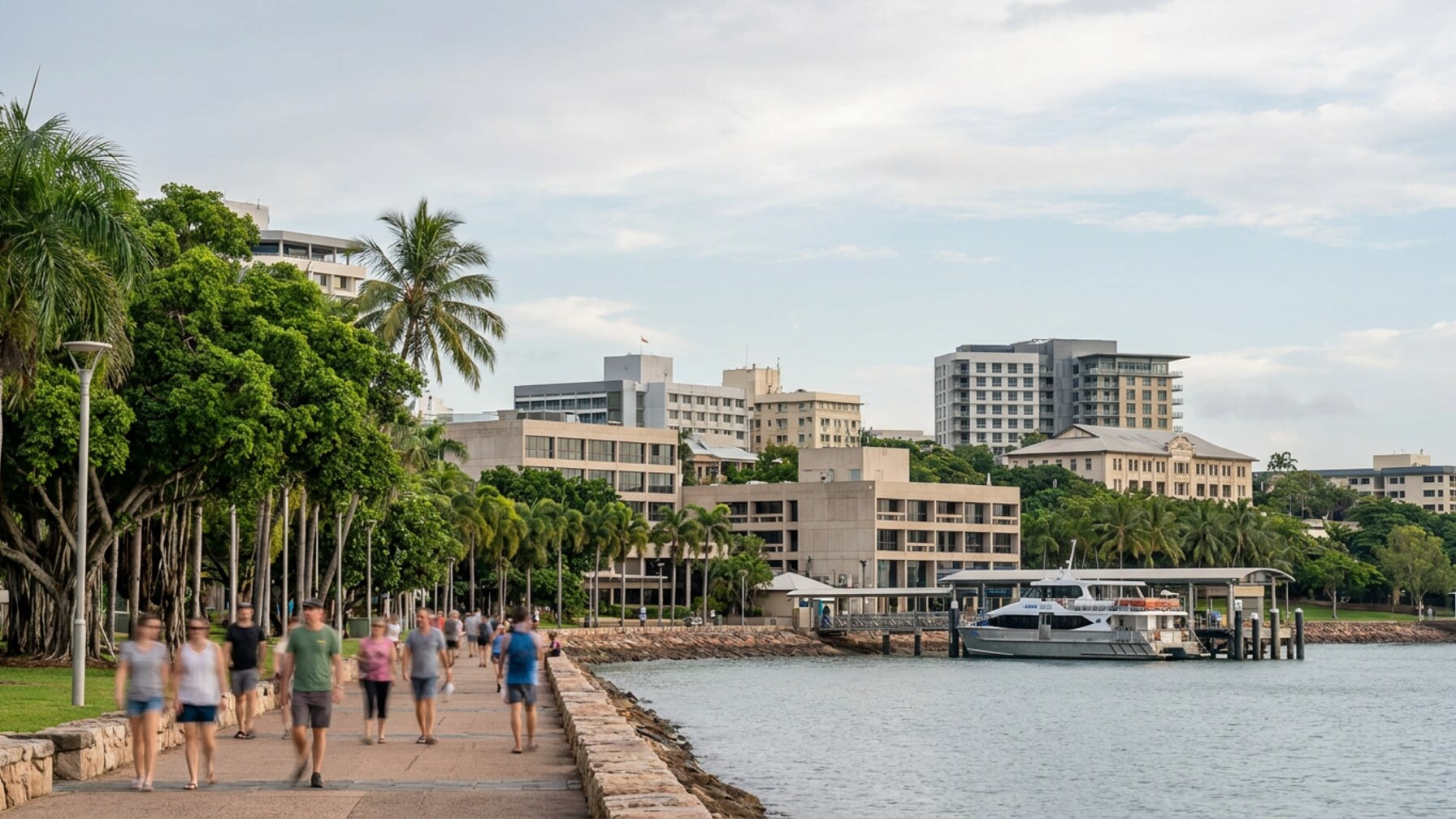
This week in Darwin and its surrounds, neighbourhood developments continue to evolve against a backdrop of key political, social, and cultural shifts. While no single large-scale project dominated the headlines locally, the accumulation of smaller community-focused initiatives, government discussions, and policy considerations shapes the urban environment for residents.
Why Neighbourhood Developments Matter Now
The importance of neighbourhood developments in Darwin is intertwined with the Northern Territory government's broader priorities, including Indigenous land rights, housing in remote communities, and the strategic build-up of the defence sector through alliances such as AUKUS. Growing tensions around land royalties, first raised at gatherings like the Garma Forum, contribute to complex negotiations affecting urban and remote living conditions.
Rapid changes in related areas, such as healthcare infrastructure and educational facilities in Indigenous communities, add layers to how neighbourhoods function and transform. For example, the recent revelation connecting a remote Indigenous school to an accused paedophile has prompted broader concerns about safety and trust in community spaces. These impact the social fabric and development focus of affected neighbourhoods.
Local Update: Community and Infrastructure Shifts
Across Darwin, the NT Labor government's investments in housing for remote communities continue to be a critical aspect of neighbourhood development conversations. This includes attention on the provision of adequate facilities and sustainable planning suited to the diverse needs of Indigenous and non-Indigenous residents alike.
Meanwhile, the region's evolving defence posture, highlighted by the ongoing rotation of US Marines and the strategic implications of AUKUS, feeds into urban planning and local infrastructure demand. Areas near military bases see subtle shifts in services and amenities, reflecting both permanent and transient population changes.
Public venues and community spaces remain important. Although there was no direct local incident reported this week about arts or cultural hubs, recent events elsewhere, such as the controversy over Sydney’s conversion of a former church into an LGBTQ+ arts venue, underline how social uses of space can influence neighbourhood character and public sentiment in Darwin as well.
Evidence and Broader Patterns
While exact figures on housing growth or infrastructure expenditure for this week are unavailable in current reporting, qualitative evidence shows ongoing government focus on remote housing and Indigenous rights as core to neighbourhood wellbeing. The steady presence of military personnel and related infrastructure projects also provides a foundation for future urban development.
The recent cyber-attack on an Australian healthcare provider, though unrelated directly to neighbourhood planning, signals vulnerabilities that all community sectors-including those engaged in development-must consider as technology becomes embedded in public services.
Practical community engagement around these developments continues to be essential, with forums like Garma serving as vital platforms for First Nations voices and governments to negotiate futures directly impacting neighbourhood transformations.
What Residents and Stakeholders Should Watch Next
Residents and local institutions should stay informed on upcoming government announcements regarding housing strategies and Indigenous land management, as these influence neighbourhood stability and growth. The NT Labor government’s approach to these issues in the coming months will be pivotal.
Updates on defence-related infrastructure initiatives may affect service provision and community demographics, especially in areas adjacent to bases. Locals planning for housing, schooling, or business development would benefit from tracking these changes.
Finally, awareness around social issues connected to education and community safety remains crucial. Community groups should monitor reports and support transparent processes to ensure neighbourhoods are safe and resilient.