news
Darwin Education Handling Compared With Peer Cities Worldwide
Darwin manages education updates through steady local priorities that set it apart from approaches seen in comparable cities elsewhere.
How we reported this
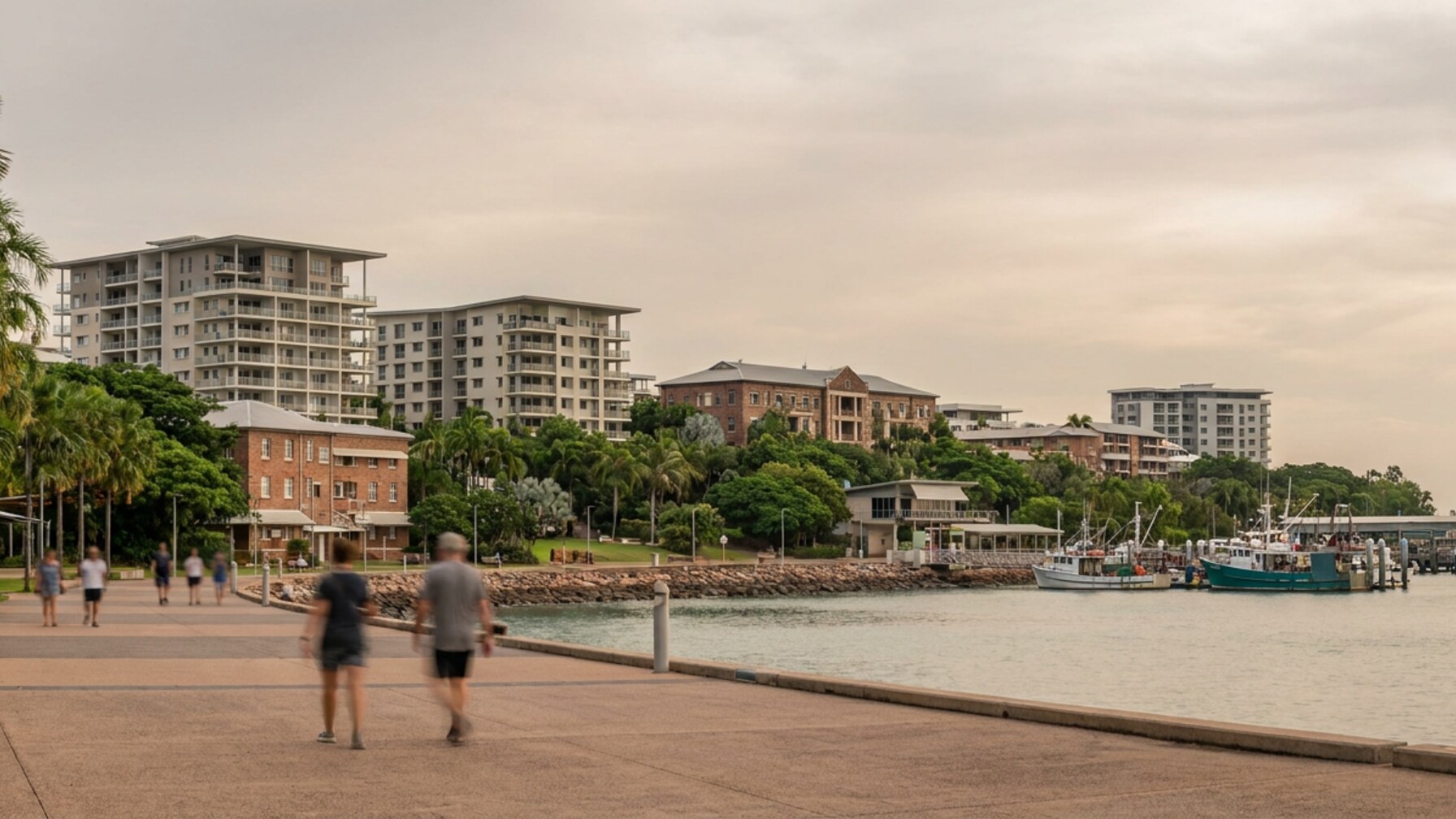
Darwin addresses education updates by focusing on ongoing adjustments suited to its particular setting rather than adopting sweeping changes seen elsewhere. Officials work within the NT Labor government framework to maintain steady operations across schools without rushing into untested models.
Why the timing stands out
Education updates matter at this point because national discussions around technology and community needs have intensified. The prime minister recently spoke about pursuing artificial intelligence the Australian way, which touches on how schools prepare students for future skills. This comes amid broader national attention to remote community issues, making local decisions in Darwin relevant to wider patterns.
Similar cities in other countries often face pressure to implement rapid digital shifts or uniform testing regimes. Darwin instead emphasises measured steps that account for its remote geography and cultural mix. This differs from faster-paced rollouts observed in some North American or European regional centres facing comparable isolation.
Practical elements in the local setting
Programs in Darwin draw on existing ties to Aboriginal land rights and royalty matters when shaping school support. Investment in remote community housing also influences how education services reach families spread across wide areas. These connections shape day-to-day handling in ways that global peers may address through different administrative routes.
Qualitatively, the city maintains attention on core classroom stability while monitoring national defence-related developments such as US Marine rotations under AUKUS. Such factors indirectly affect workforce movement and student populations without triggering abrupt policy overhauls. In contrast, some international cities of similar size have linked education more directly to military or resource projects, producing quicker structural adjustments.
Offshore gas regulation and related economic activity provide another backdrop. Darwin keeps education planning aligned with these steady influences rather than letting them drive sudden curriculum experiments. This produces a pattern of incremental review instead of headline-grabbing reforms common in resource towns abroad.
Next steps rest with continued monitoring by the NT government and community input. Families and educators can track updates through standard department channels as matters develop at their own pace.