news
Northern Territory Education Reform: What Comes Next and Key Decisions Ahead
With new facilities opening and a major restructure underway, NT schools face significant changes in coming years.
How we reported this
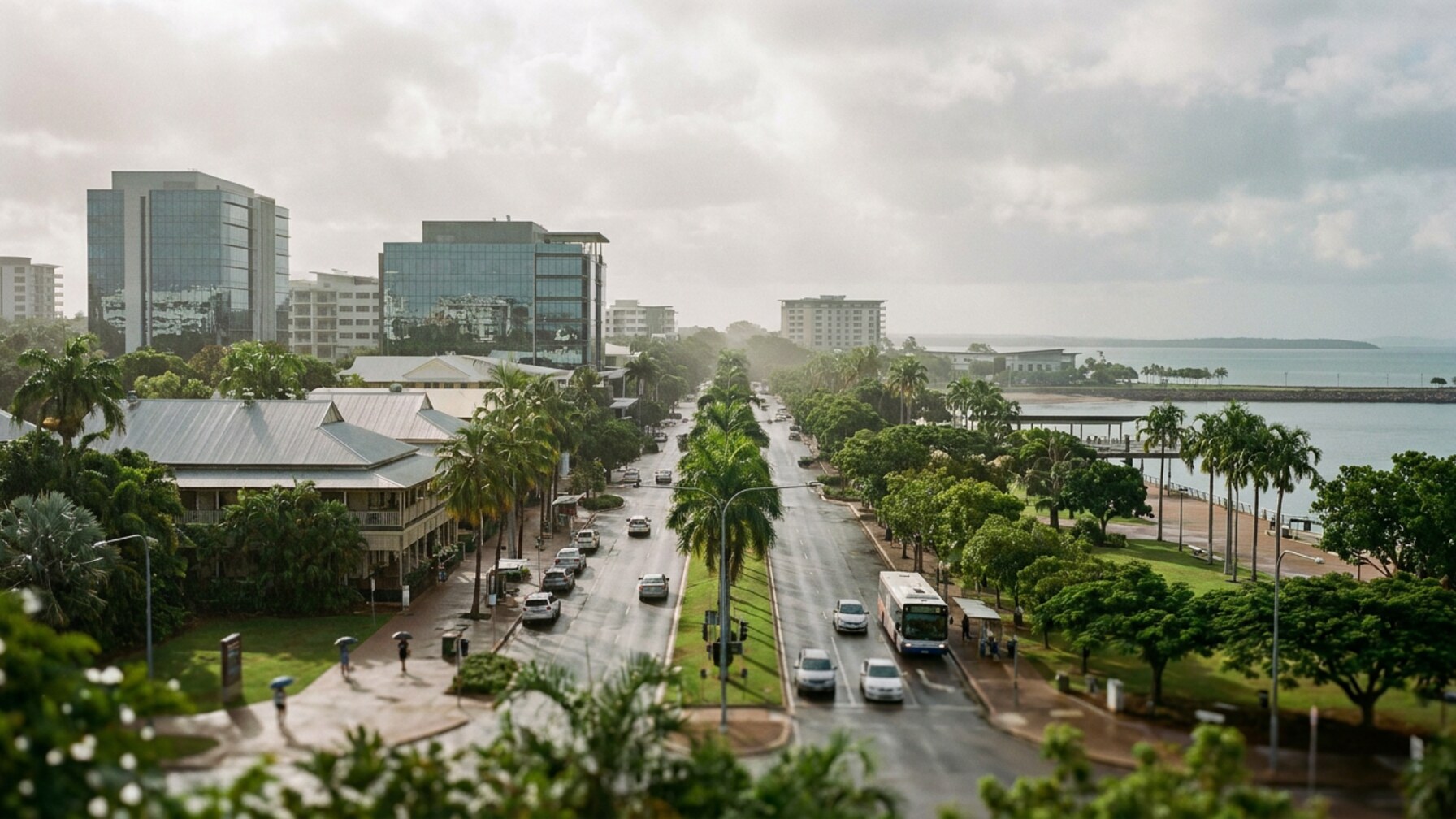
The Northern Territory’s education landscape is entering a phase of profound change, marked by a freshly opened higher education precinct, the abolition of the middle school model, and a major school amalgamation. Charles Darwin University’s new Danala Education and Community Precinct in Darwin began welcoming students next semester, offering courses in IT, software engineering, law, and accounting, according to the Northern Territory Department of Education[1][2]. Concurrently, the NT government has abolished the middle school model from 2026, transitioning schools such as Nightcliff Middle into full secondary schools for Years 7 to 12, aiming to address ongoing attendance challenges[2][4].
These developments come amid efforts to overhaul the secondary education structure to better support student engagement and academic achievement. The redrawing of school boundaries, with Darwin Middle School and Darwin High School merging into one comprehensive Years 7-12 institution by 2028, underscores a shift to more seamless education pathways for Territory students[3][4].
Why the Changes Matter Now
Falling attendance rates in middle schools spurred the NT government’s decisive action to abolish that school model. Authorities recognized that the existing structure was not adequately fostering student retention during critical adolescent years[4]. Transforming middle schools into combined secondary schools aims to provide students with consistent support and a broader curriculum over six years rather than just three. The restructure also aligns with the opening of the Danala Education and Community Precinct, which anticipates a demand for graduates prepared for tertiary-level courses in technology and law, critical fields in the Northern Territory’s evolving economy[1][2].
The NT also made national history this year by becoming the first jurisdiction to sign the 10-year Better and Fairer Schools Agreement. This agreement steps up full public school funding from an originally planned 2050 date to 2029, unlocking an additional $1 billion investment to improve school infrastructure and resources[4][5]. This historic funding boost is intended to underpin the structural reforms and boost educational outcomes for Territory students.
Local Examples Highlighting the Reform Landscape
Across the Territory, schools are adjusting to these reforms on the ground. Nightcliff Middle School’s move to a Years 7-12 secondary school is an early example of the government’s strategy in action[4]. Meanwhile, the merger of Darwin Middle School and Darwin High School into one comprehensive secondary institution headquartered in the Darwin CBD will take several years to fully implement, with completion aimed for 2028[3]. This process will require coordination around staffing, curriculum design, and community engagement to ensure a smooth transition for students and families.
Community achievements continue amid this reform context. Gunbalanya School principal Sue Trimble was recently awarded a Public Service Medal in recognition of outstanding contributions to NT education. At the same time, Yuendumu School celebrated its 50th anniversary of bilingual education, underscoring the Territory’s commitment to culturally inclusive schooling and recognition of Indigenous languages and knowledge[5].
The Supporting Evidence and Next Steps
The evidence underpinning these reforms rests on the NT government’s identification of attendance issues linked to the middle school structure. The transition to Years 7-12 secondary schools aims to address this by offering more continuity. The ambitious timeline for the Darwin Middle and High School merger, stretching to 2028, allows for the complex logistical and pedagogical work this will entail[3][4]. The extra $1 billion in funding from the Better and Fairer Schools Agreement will be a critical enabler, including infrastructural upgrades and expanded program offerings[4][5].
As students prepare to enter the new Danala Education and Community Precinct and the reformed secondary schools, education authorities face important decisions ahead. Implementation of the merged Darwin secondary school will require careful planning to amalgamate two distinct school cultures and systems. Further site-specific infrastructure planning and staff professional development will be necessary to manage increased enrolments and diverse course offerings. The ongoing roll-out of the Better and Fairer Schools Agreement funds will need monitoring to ensure equity in investment reaches all Territory schools, including remote and Aboriginal community schools.
Families and students should expect a period of transition over the next two years as schools shift their models. The Department of Education will likely provide continuing updates about curriculum changes, resource allocations, and support services during this time. The successful integration of academic and vocational pathways from Years 7 through 12 will be a critical factor in maintaining attendance improvements and ensuring students are well prepared for tertiary education and the workforce.