policy
NT Housing Legislation Puts Darwin Behind Queensland and WA on Remote Tenancy Protections
A bill tracker comparison across Australian jurisdictions shows Darwin residents in remote and community housing face fewer statutory protections than counterparts in two comparable jurisdictions, with NT Government amendments still before the Legislative Assembly.
How we reported this
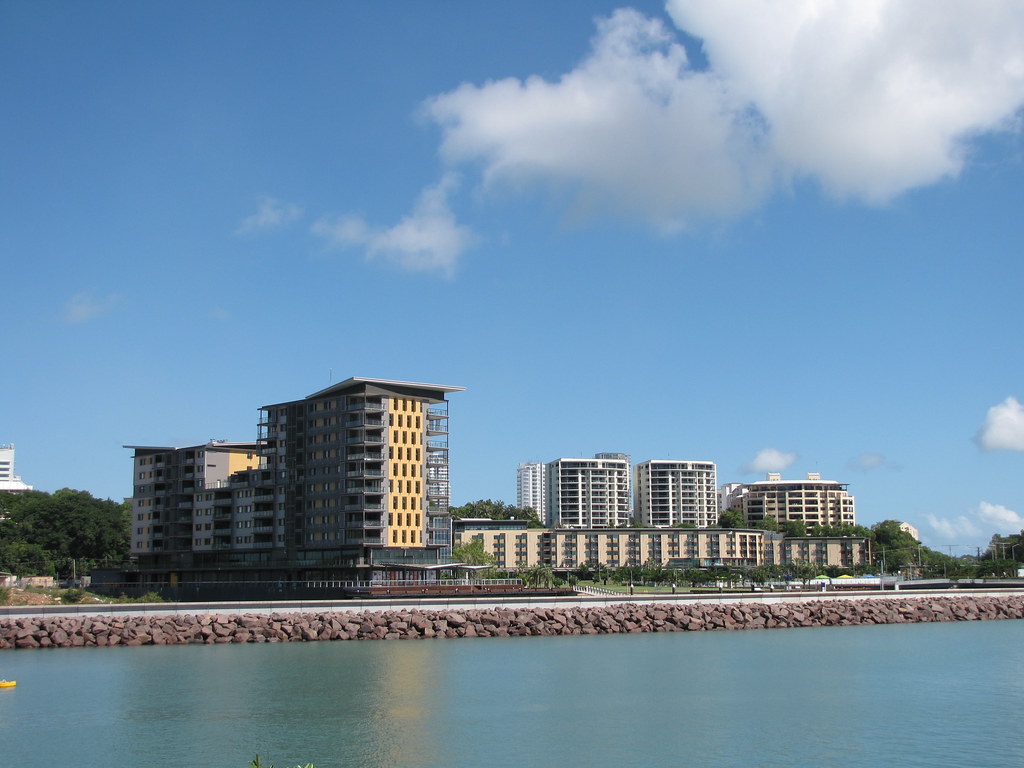
Darwin and the broader Northern Territory remain an outlier among Australian jurisdictions on residential tenancy law, as a package of amendments to the Residential Tenancies Act 1999 (NT) sits before the Legislative Assembly without a confirmed passage date. The proposed changes affect an estimated 15,000 social and community housing tenants across the Territory, a share of the population significantly higher than in any other Australian state or territory. For Darwin residents, particularly those in public housing managed by the NT Department of Housing, Urban and Community Development, the gap between current protections and what Queensland and Western Australia now offer is measurable and practical.
The timing matters because the federal government committed $550 million to Northern Territory remote housing under the 2024-25 Budget, with a further tranche expected under the National Partnership on Remote Housing NT. Policy analysts note that capital investment in housing stock does not automatically translate to improved tenant rights, and that legislative frameworks govern how residents can dispute evictions, seek repairs or challenge rent increases. With the federal dollars flowing and new dwellings expected to be completed progressively through 2026 and 2027, advocates argue the tenancy law framework should be modernised before those properties are occupied.
Where Darwin Sits in the National Picture
Queensland's Residential Tenancies and Rooming Accommodation Act 2008 was substantially amended in 2024 to cap rent increases at once per 12-month period across all tenancy types and to extend minimum notice periods for eviction without grounds to 12 months for periodic leases. Western Australia's Residential Tenancies Act 1987 was similarly updated, with reforms passed in March 2025 introducing mandatory written repair notices and a dispute resolution pathway through the Magistrates Court at no filing cost to the tenant. Neither equivalent mechanism currently exists in NT legislation in the same form. The NT's existing framework allows rent increases at intervals specified in the lease agreement, with no statutory cap on frequency for private rentals, and repair dispute pathways require lodgement with the NT Civil and Administrative Tribunal, which carries filing fees for some matter types.
For a Darwin household renting through a community housing provider in an outer suburb such as Malak or Woodleigh Gardens, or for a family in a remote community under a long-term lease arrangement, the absence of a frequency cap on rent reviews is not a theoretical concern. The NT Government's own Rental Report, published by the Department of Treasury and Finance, recorded Darwin's median weekly rent for a three-bedroom dwelling at $650 as of the December 2025 quarter, the highest of any Australian capital city relative to median household income in the jurisdiction. Local advocates note that rents in some community housing arrangements are linked to Centrelink income assessments, but private-market pressures still affect a large share of working Darwin households.
What the Bill Proposes and What Comes Next
The NT amendments, tabled in the Legislative Assembly in April 2026, propose introducing a 12-month cap on rent increase frequency for periodic tenancies, extending the notice period for no-cause terminations from 42 to 90 days, and establishing a low-cost conciliation process administered through the existing NT Civil and Administrative Tribunal structure. The legislation states that the conciliation pathway would be available at no cost to the applicant for disputes involving amounts under $10,000. If passed, the changes are expected to take effect six months after assent, meaning practical protections would not apply before late 2026 at the earliest.
The bill has been referred to a committee of the Legislative Assembly, with public submissions closing in late July 2026. Darwin residents and community organisations can lodge submissions through the NT Parliament's website. The Darwin Community Legal Service and Shelter NT have both indicated they will provide formal submissions. Whether the bill passes in its current form, is amended or is deferred will determine whether Darwin tenants move closer to, or remain behind, the protections that Queensland and WA residents now hold as standard. For households already stretched by Darwin's high cost of living, the legislative calendar is not an abstract matter.