policy
Darwin bus network review and Bus Safety Reform Strategy set interchange closure timeline from October 2025
Darwin and Palmerston residents will see changes to bus routes, wait times and interchange access starting with the Casuarina closure by October 2025, while free travel continues for three months beyond 1 July.
How we reported this
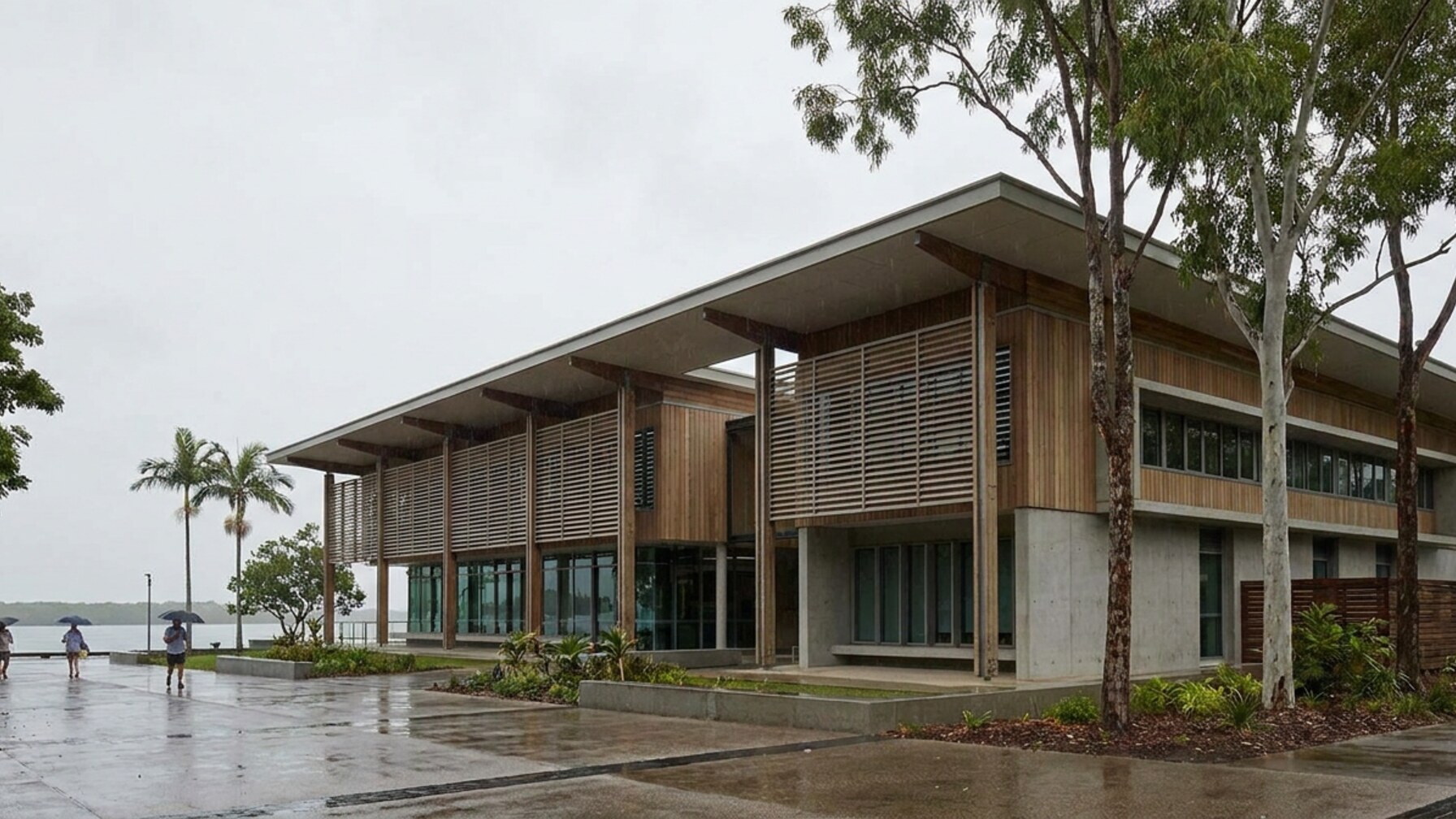
The Territory Government has a full review of the Darwin and Palmerston bus network underway. The review aims to reduce wait times, improve routes and replace low-patronage late-night services with on-demand options. A draft revised public transport network structure is also being designed to reduce complexity, improve connections and integrate with land use planning.
Interchange closures and safety measures
The Bus Safety Reform Strategy includes the closure of the Casuarina interchange by October 2025. Staged closures of the Darwin and Palmerston interchanges will follow to reduce anti-social behaviour. These steps form part of the broader changes residents will encounter when using public transport in coming months.
Darwin's first-ever Movement Strategy has been finalised to align investment and policy decisions with community aspirations for improved streetscapes, infrastructure and connectivity. The strategy provides the framework for how the bus network changes will be implemented alongside other transport decisions.
Free travel extension and resident impact
The government committed to continuing free bus travel in Darwin for an additional three months beyond 1 July. This measure supports increased public transport use while the network review proceeds. Residents who rely on buses for daily travel to work, appointments or services will continue to access the system without fares during this period.
Changes to routes and the introduction of on-demand options for some late-night services will affect how people plan journeys across Darwin and Palmerston. The staged interchange closures will require adjustments to boarding and transfer points for many regular users. The draft network structure focuses on clearer connections that link with existing land use planning.
Further details on the timing of route adjustments and on-demand service rollout will be released as the review advances. The Movement Strategy guides how these transport measures fit with wider infrastructure priorities for the city.