property
How Much Rent Is Too Much? The 30% Rule in Practice
Darwin's sky-high rental yields are great news for landlords, but for the thousands of workers renting across Palmerston and the northern suburbs, the maths is getting brutal.
How we reported this
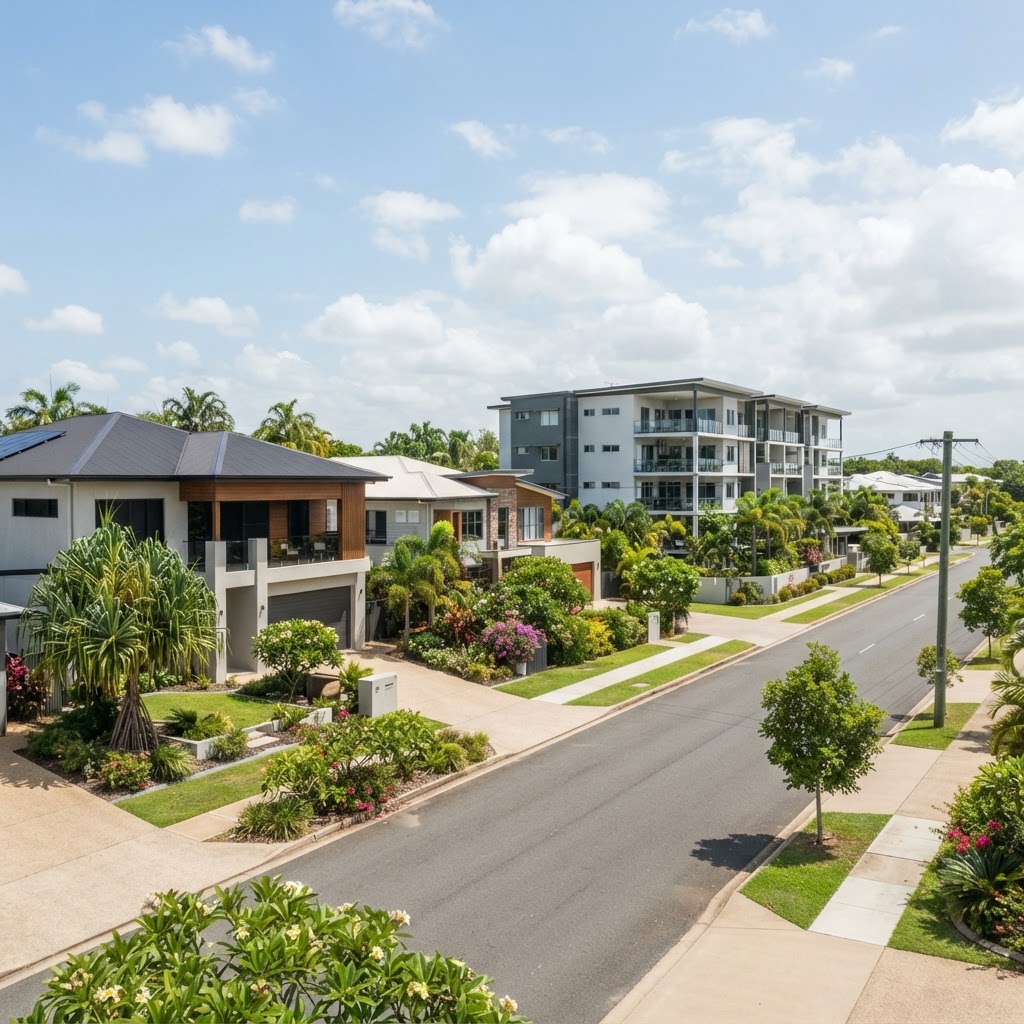
More than half of Darwin households rent. That single fact sits behind every conversation about housing stress in the Top End, and it's why the old 30% rule, the benchmark that says no household should spend more than 30 cents in every dollar of gross income on housing costs, has become a live issue again in 2026.
Darwin's median weekly rent sits in territory that makes the 30% threshold genuinely difficult to clear for anyone on a middle income. With the NT median dwelling price holding around $490,000 and rental yields tracking between six and seven per cent, the highest of any capital or major regional market in Australia, landlords are collecting strong returns. The flip side is that tenants are the ones funding those yields, often at a cost that tips them past the stress threshold.
The timing matters. Defence investment flowing into Robertson Barracks at Holtze and the expanded RAAF Base Darwin is pulling more workers and contractors into the city. Territory Housing has a waitlist. The private rental market is absorbing demand that public housing cannot, and rents are reflecting that pressure.
What the Numbers Actually Mean on a Darwin Wage
Run the arithmetic on a typical government administration officer earning around $75,000 a year gross, a common employment profile in Darwin's Stuart Park or Casuarina office corridors. Thirty per cent of gross income is $22,500 annually, or roughly $432 a week. A two-bedroom unit in Coconut Grove or Nightcliff is currently advertising at anywhere from $480 to $560 a week on the major listings platforms. That gap, between what the rule allows and what the market charges, represents real financial strain, week after week.
For a couple with two incomes the sums are more forgiving. But single-income households, particularly single parents or casual workers at places like Casuarina Square or the Darwin Waterfront hospitality precinct, are routinely spending 35 to 40 per cent of their income on rent. Once that figure clears 40 per cent, financial counsellors generally classify the household as in severe housing stress.
The NT Council of Social Service has long flagged housing affordability as a structural problem in Darwin, not a temporary blip. Palmerston, where newer estates in suburbs like Zuccoli and Johnston have expanded supply over the past five years, offered some relief, but rental asking prices there have also climbed as the southern suburbs have filled with defence and public sector families priced out of closer suburbs.
Buying Versus Renting: The Real Comparison
Here is where the Darwin market diverges sharply from Melbourne or Sydney. With a median price near $490,000, a buyer with a 20 per cent deposit of roughly $98,000 and a standard 30-year mortgage at current variable rates would face repayments in the range that actually competes with renting, particularly once NT Government first home buyer incentives are factored in. The Territory's HomeGrown scheme, which offers eligible buyers a grant for new builds, has nudged some renters toward purchase in areas like Bellamack and Mitchell, where land and construction costs are lower than inner Darwin.
The honest answer to whether renting or buying wins on affordability depends almost entirely on deposit access and employment stability. Defence personnel on posting cycles often choose to rent because a three-year rotation makes ownership impractical. But long-term Darwin residents, those with a decade or more in the city, who are still renting past 35 are in a different position. For them, the 30% rule increasingly argues for buying, not renting, given that mortgage repayments in some Palmerston pockets would bring their housing cost ratio below the stress threshold while also building equity.
Practical advice from the numbers is straightforward. Anyone spending more than 30 per cent of gross income on rent in Darwin right now should run a genuine comparison using the Territory's HomeGround Darwin financial counselling service or the NT Government's First Home Buyer Calculator before renewing a lease. The gap between renting and buying is narrower here than in any other Australian city, and for the first time in several years, it may be narrower than people think.
This article is general information only and is not personal financial or investment advice. Consider your own circumstances and seek licensed professional advice before making financial decisions.