property
Darwin Rental Market 2026: Lease End Options
Darwin renters facing lease expiry have limited options with vacancy below 2%. Explore renewal, purchase, or relocation strategies as AUKUS drives housing pressure.
How we reported this
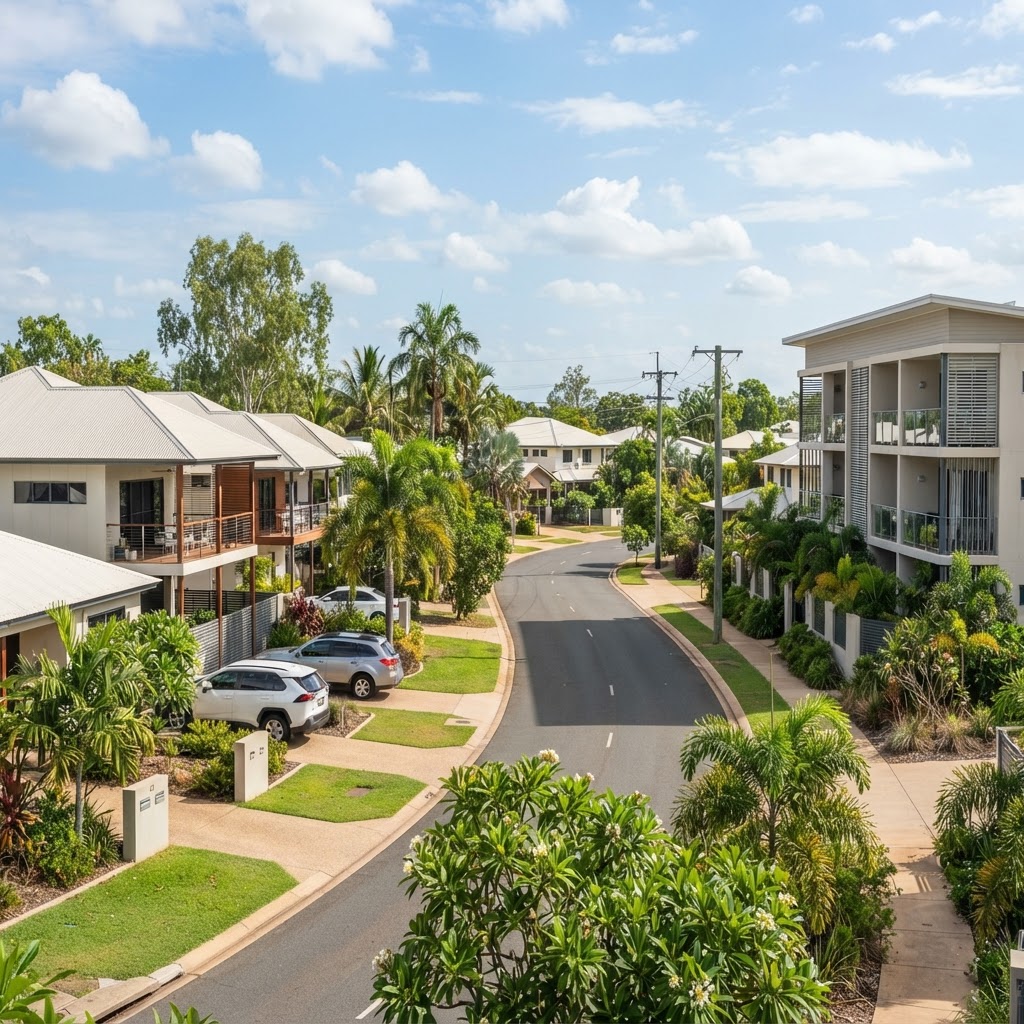
Darwin's rental market is giving tenants almost no room to manoeuvre. Vacancy rates across Greater Darwin have sat below two percent for the better part of two years, meaning a renter whose lease expires in the next 60 days faces a shrinking pool of alternatives, rising asking rents, and a landlord who almost certainly has applicants lined up. The question isn't whether the market is tough. It's what a renter actually does about it.
The pressure has intensified in 2026. Defence infrastructure commitments tied to the AUKUS submarine program have drawn contractors and support workers into Darwin, compressing an already undersupplied rental base. The Casuarina and Nightcliff coastal corridors, historically the most sought-after rental strips, have seen three-bedroom houses re-listed at rents that would have been considered aggressive even 18 months ago. Meanwhile, Palmerston's newer estates around Zuccoli and Johnston are filling fast, partly because they represent the last significant volume of residential construction still completing in the Top End.
The numbers that change the calculation
Here is the figure that stops many Darwin renters short: the Northern Territory's median house price sits around $490,000. That is roughly half the Sydney median and well below Melbourne. For a couple on combined public service or defence salaries, both common income profiles in this city, a 10 percent deposit on a $490,000 property is $49,000. That is achievable within two to three years of disciplined saving, and potentially faster with access to the federal government's First Home Guarantee scheme, which allows eligible buyers to purchase with as little as five percent down and no lenders mortgage insurance.
The rental yield context matters too. Darwin consistently posts gross rental yields of six to seven percent, the highest of any capital city in Australia. That dynamic cuts both ways. It signals strong rental demand, which is why landlords here hold leverage. But it also means property investors are still actively buying, keeping transaction volumes alive and giving renters-turned-buyers a real market to enter rather than a frozen one.
The NT Government's HomeNorth scheme, administered through TIO and participating lenders, offers concessional loans and shared equity options specifically designed for Territory residents who cannot clear a standard deposit hurdle. Renters who have never looked at their borrowing capacity seriously often find, after a single appointment with a mortgage broker on Smith Street or through one of the NT-based credit unions, that their position is stronger than assumed.
What to do in the 90 days before a lease ends
The practical window opens around three months before expiry. That is the point at which a renter should be doing three things simultaneously: negotiating with the existing landlord, registering with multiple property management agencies, and obtaining a finance pre-approval.
On the negotiation front, the Top End Tenants Advice Service can provide free guidance on rights under the NT tenancy legislation, including notice requirements and the process for contesting rent increases. Many tenants do not contact the service and simply absorb hikes that are sometimes negotiable, particularly in newer Palmerston stock where there is marginally more competition among landlords.
If a purchase is genuinely on the table, the Darwin City Council precinct and inner suburbs like Stuart Park and Larrakeyah still have units listed under $400,000, price points that make the rent-versus-buy maths compelling when repayments on a 30-year loan at current fixed rates land close to what the same tenant is already paying each fortnight in rent.
The worst outcome is inertia. Renters who wait until the final two weeks of a lease, then scramble for whatever is available, consistently end up paying the highest rents on the shortest terms with the least negotiating power. Darwin's market in mid-2026 rewards preparation and punishes delay, which, given the city's defence-driven growth trajectory, is unlikely to change before the next dry season.
This article is general information only and is not personal financial or investment advice. Consider your own circumstances and seek licensed professional advice before making financial decisions.