property
Fannie Bay Property Prices Darwin 2026
Fannie Bay's median house price hits $750k as Darwin's coastal suburb attracts investors. Defence spending and tight stock drive values higher.
How we reported this
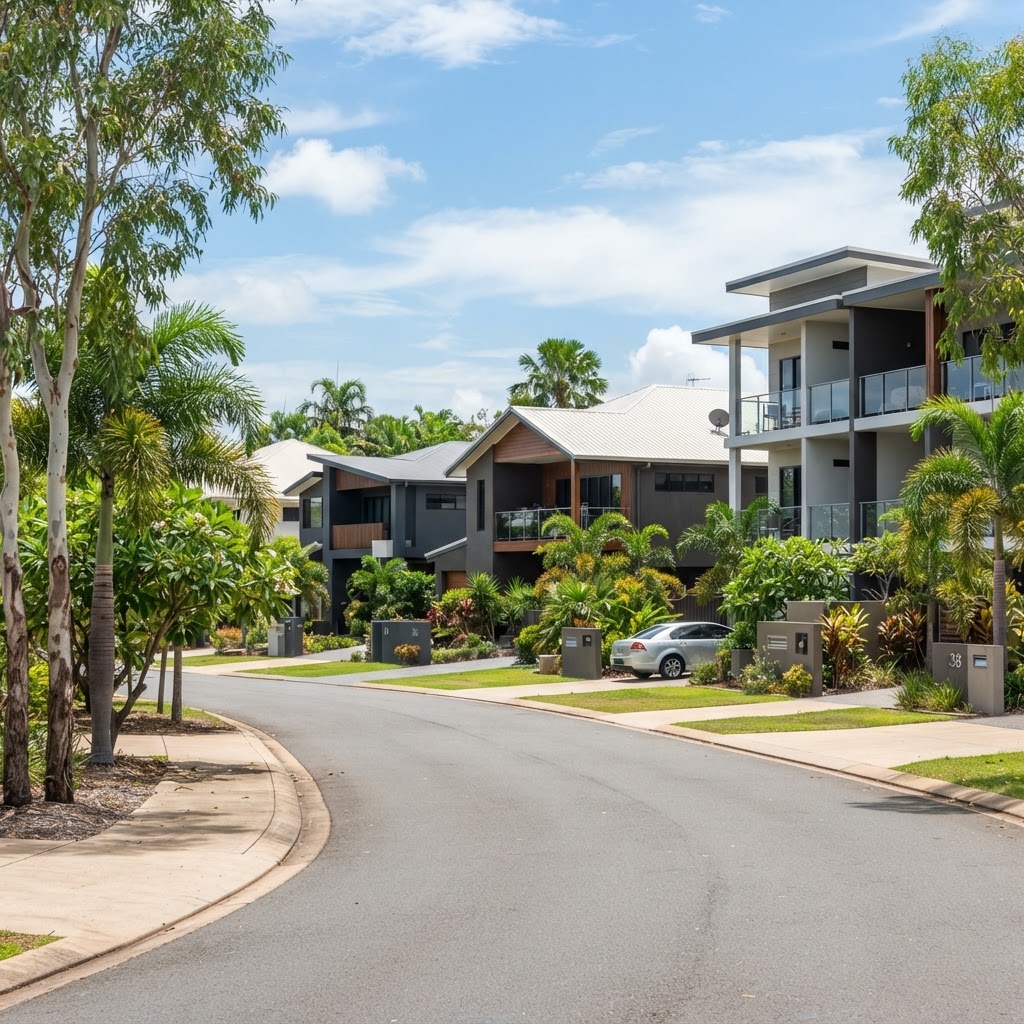
Fannie Bay recorded a median house price of approximately $750,000 in the 12 months to June 2026, putting it well above the NT-wide median of around $490,000 and cementing its status as one of Darwin's most resilient property markets. While Melbourne's auction clearance rates slid to record winter lows this season, Darwin's coastal pocket has moved in the opposite direction, tightly held stock, strong rental demand and a renewed appetite from interstate buyers are pushing Fannie Bay values in one direction.
Timing matters here. The federal government's sustained defence spending uplift across the Northern Territory, centred on RAAF Base Darwin and the Robertson Barracks corridor, has injected a steady stream of higher-income residents into the city's northern suburbs. Many of those families want proximity to the CBD without sacrificing lifestyle, and Fannie Bay ticks both boxes. It sits roughly four kilometres from the Darwin CBD, backs onto East Point Reserve, and has direct beach access at Fannie Bay Beach near the northern end of Burnett Street.
What's Driving the Price Momentum
Rental yield data tells the underlying story. Darwin as a whole continues to post the highest rental yields in the country, sitting in the 6-7 percent range, figures that make Fannie Bay's relatively higher entry price look reasonable once the income stream is factored in. A three-bedroom house on a standard 700-square-metre block in Fannie Bay was asking between $720,000 and $810,000 in mid-2026, while equivalent properties were commanding weekly rents of $850 to $1,000. For an investor carrying a $750,000 purchase, that gross yield profile sits comfortably above the national average.
Supply is structurally constrained. Fannie Bay is largely built out, bounded by Vesteys Beach to the north, the Darwin Turf Club on Carlton Street, and the Museum and Art Gallery of the Northern Territory on Conacher Street. There is no obvious greenfield land to flood the market, which gives existing stock a scarcity premium that newer growth corridors like Palmerston and Zuccoli cannot replicate. Palmerston may offer more affordable entry points south of the Stuart Highway, but it lacks Fannie Bay's combination of established streetscape, beach access and sub-five-kilometre commute to the CBD.
The lifestyle infrastructure reinforces values. Mindil Beach Sunset Market, which operates Thursday and Sunday evenings from April through October, anchors the suburb's identity in a way that no amount of new estate planning can manufacture. The George Brown Darwin Botanic Gardens on Gardens Road provides a second green corridor. Properties within a ten-minute walk of either drawcard tend to sell faster and carry a visible premium over comparable homes deeper in the suburb.
What Buyers Should Watch in the Coming Months
Inventory levels will be the key variable through the second half of 2026. Darwin's dry season, which runs roughly May to October, is historically the most active period for listings and inspections, interstate buyers visit, the city looks its best, and vendors who have been holding since the wet season tend to move. Anyone tracking Fannie Bay should watch stock levels on key streets including Dripstone Road and Coral Sea Drive, where larger allotments occasionally come to market and attract competitive offers from owner-occupiers and investors alike.
First-home buyers face a harder calculation at Fannie Bay's price points, but the NT Government's HomeGrown Territory scheme provides stamp duty concessions for eligible purchasers of established properties, which can meaningfully reduce upfront costs on a sub-$800,000 purchase. Investors should also factor in Darwin's property market cyclicality, the city has moved through boom-and-correction cycles before, and any softening in defence contracts or resources sector activity would flow through to rental demand relatively quickly.
For now, Fannie Bay has the fundamentals that property markets reward: scarcity, yield, location and a pipeline of well-paid tenants that shows no signs of shrinking. The suburb has been quietly outperforming Darwin's overall median for several years. That gap is not closing anytime soon.
This article is general information only and is not personal financial or investment advice. Consider your own circumstances and seek licensed professional advice before making financial decisions.