property
How Much Rent Is Too Much? The 30% Rule in Practice
Darwin renters are paying a larger share of their income on housing than the textbook threshold allows, and the gap between renting and buying is narrower than most people think.
How we reported this
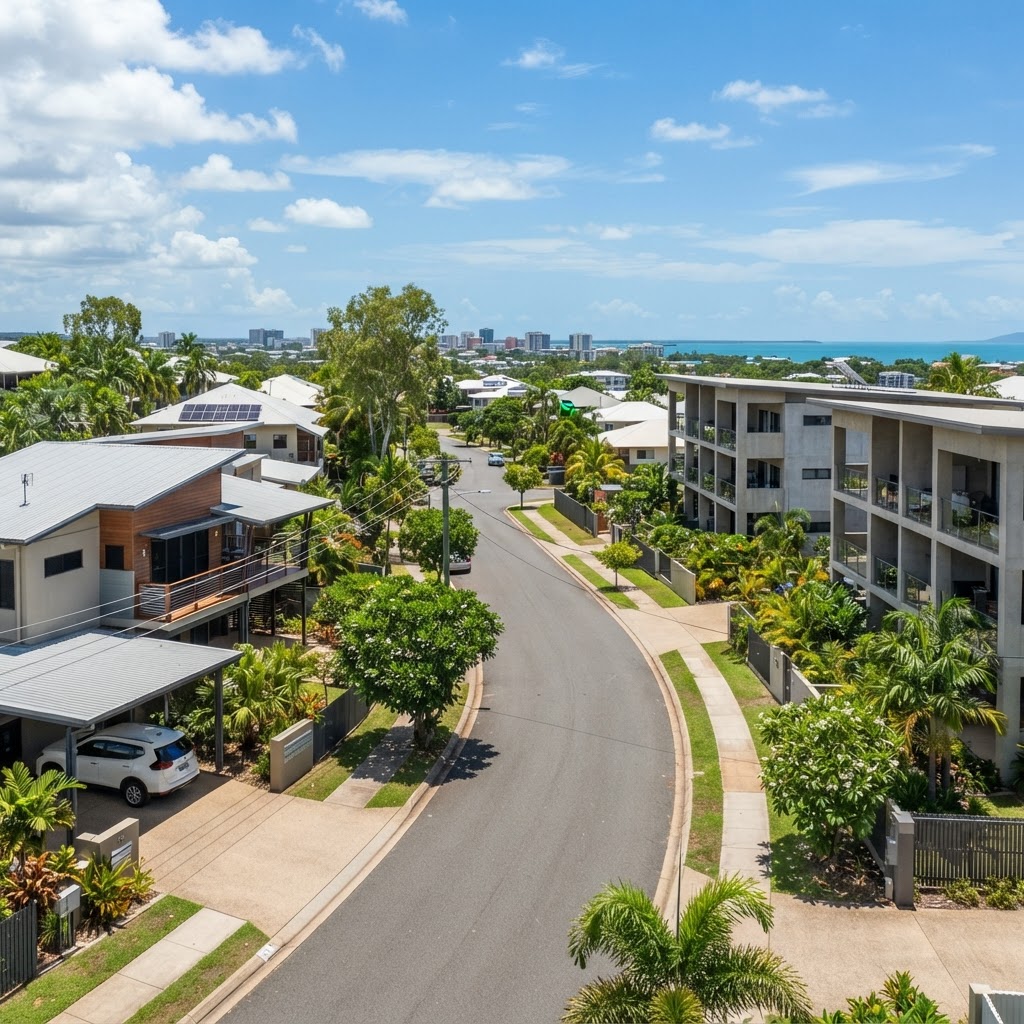
The rule is simple enough: spend no more than 30 per cent of your gross income on housing costs. In Darwin right now, that rule is getting a serious workout. With rental yields sitting at six to seven per cent, the highest of any capital city in Australia, landlords are doing well, but tenants are feeling the squeeze in a market that offers very little slack.
This matters more than usual heading into the second half of 2026. The Northern Territory Government has flagged ongoing defence-related infrastructure spending across the Top End, which is drawing workers into Darwin and Palmerston faster than rental stock can absorb them. More bodies competing for the same pool of three-bedroom houses in Palmerston's newer estates, or units along the Rapid Creek corridor, means asking rents are holding firm even as Melbourne's auction market slumps and southern investors hunt for yield up north.
What the 30% Threshold Actually Means for a Darwin Wage
Run the numbers on a typical government or mining sector income, the two employment pillars that prop up Darwin's economy, and the 30 per cent rule produces a clear ceiling. A public servant on the NT public sector base-grade salary of roughly $75,000 gross can afford about $433 a week in rent before crossing into housing stress. A two-bedroom unit in Nightcliff or Coconut Grove regularly advertises at $450 to $520 a week. That means even a single-income household on a solid public service salary is already over the threshold before they've paid a power bill.
The NT median dwelling price sits at approximately $490,000. On a standard 20 per cent deposit and a current variable mortgage rate, monthly repayments on a $392,000 loan come in around $2,400 to $2,500, depending on the lender. That translates to roughly $560 a week, higher than many comparable rentals, but with one critical difference: the repayment builds equity rather than disappearing into a landlord's pocket. For households who can scrape together a $98,000 deposit, the monthly cost gap between renting and buying is often smaller than the stress of perpetual rent exposure.
The NT Government's HomeGrown Territory scheme targets first-home buyers with reduced deposit requirements and stamp duty concessions for properties under certain thresholds, which eases the deposit barrier specifically for Palmerston and Darwin City fringe properties. The Real Estate Institute of the Northern Territory tracks vacancy data quarterly, and persistent tightness in Darwin's vacancy rate, it has hovered near or below one per cent for extended periods, means renters have little negotiating power when leases come up for renewal.
Palmerston's Numbers Tell a Different Story
Palmerston is where the affordability argument shifts most clearly in favour of buying. New-build house-and-land packages in suburbs like Zuccoli and Johnston have been listing in the $530,000 to $620,000 range, but established three-bedroom homes in older Palmerston suburbs such as Gray or Durack can still be found below the $490,000 NT median. Weekly repayments on those properties, for a buyer who qualifies, can fall inside or very close to the 30 per cent threshold on a dual income.
Renters in the same streets are paying $420 to $480 a week for equivalent homes, which looks cheaper on paper but carries the compounding risk of annual rent reviews in a low-vacancy environment. A five per cent rent increase at lease renewal, not unusual in this market, immediately pushes a household that was just inside the stress threshold straight through it.
For Darwin renters genuinely stress-testing the buy-or-stay decision, the practical first step is a conversation with a mortgage broker who operates in the NT market rather than applying southern-city assumptions. Lenders assess the NT differently. The HomeGrown scheme has specific eligibility windows and property price caps that change periodically, so checking directly with Territory Housing or the NT Government's home ownership portal for current conditions is essential before budgeting. The 30 per cent rule is a guide, not a guarantee, but in Darwin's current market, ignoring it is the faster route to financial trouble.
This article is general information only and is not personal financial or investment advice. Consider your own circumstances and seek licensed professional advice before making financial decisions.