property
Darwin’s Rent-Vesting Strategy: Renter vs Buyer Affordability Explained
With Darwin rental yields among Australia’s highest, locals are eyeing rent-vesting as a path to property wealth without giving up lifestyle.
How we reported this
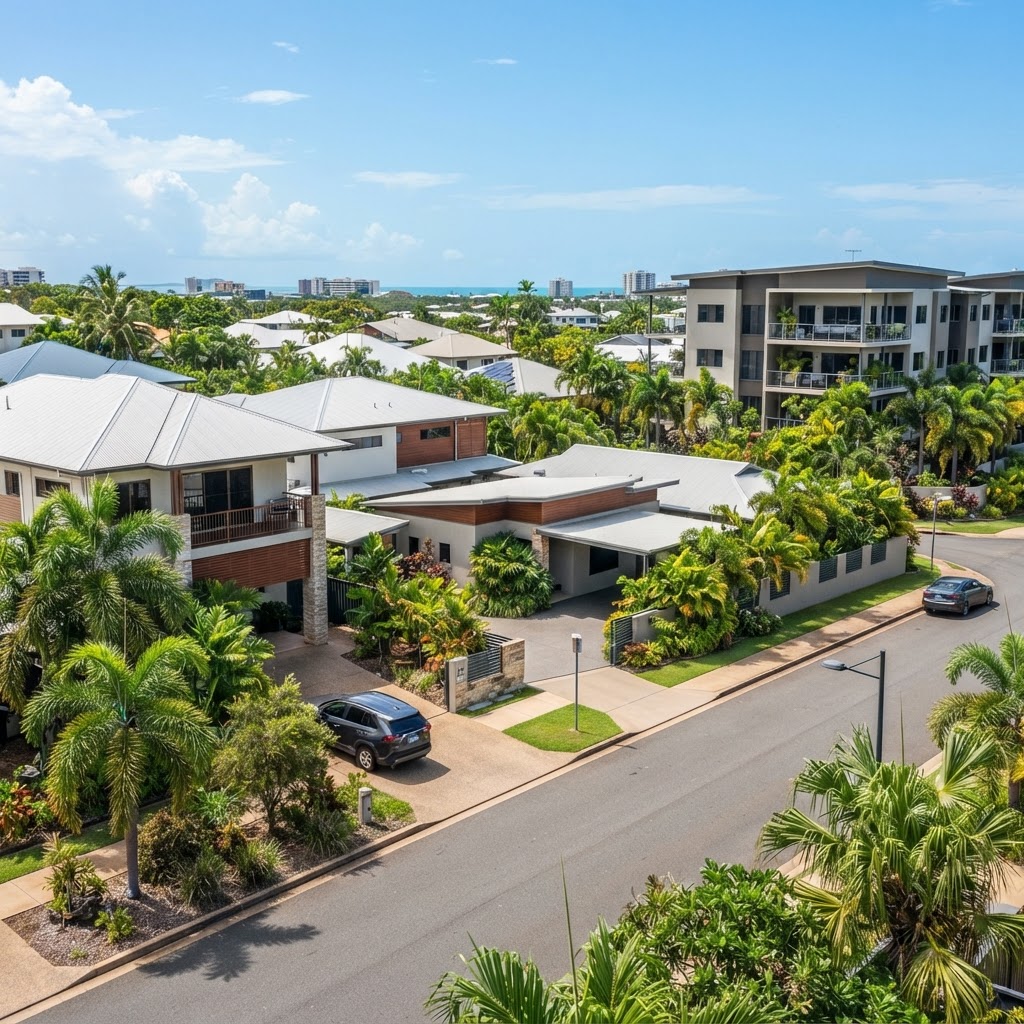
Darwin’s tight property market has opened the door for rent-vesting, a strategy gaining traction among locals caught between steep home prices and strong rental yields. Rather than buying the home they live in, Territorians are increasingly choosing to rent in their preferred suburb and purchase investment properties elsewhere.
It’s a trend with growing relevance for Darwin’s workforce, many of whom are employed in government or mining roles based in the city and Palmerston. With the NT median house price around $490,000 and rent spikes putting pressure on households, the question of where and how to invest is becoming urgent.
Why Rent-Vesting Makes Sense in Darwin
Neighborhoods like Nightcliff and Fannie Bay remain popular among renters seeking access to Darwin’s foreshore walks and proximity to the CBD. Median weekly rents for houses in Nightcliff have repeatedly topped $700, making it unaffordable for many buyers aiming to enter these premium pockets. Yet, with rental yields across Darwin sitting between 6-7%, the highest in Australia according to CoreLogic data, owning an investment elsewhere is attractive.
Enter rent-vesting: locals lease lifestyle properties near Mindil Beach or within the new Waterfront precinct while using their borrowing power to buy houses in more affordable growth corridors such as Zuccoli or Moulden. This enables investors to capitalise on lower entry prices and stable demand from Palmerston’s expanding population, driven in part by ongoing defence spending and infrastructure projects like the Defence Housing Australia developments.
Breaking Down the Numbers
According to CoreLogic’s June report, Darwin’s median dwelling value of $490,000 is coupled with gross rental yields consistently above 6%. The median rent for a three-bedroom house stands at roughly $650 per week in Stuart Park, while weekly repayments on a median-priced home, factoring in a standard mortgage rate, can surpass $700 including rates and maintenance. This gap incentivises rent-vestors to consider living where they desire, even if ownership isn’t feasible, while investing where the numbers add up.
The approach is further fuelled by tight vacancy rates, with SQM Research reporting vacancy below 1.5% in the greater Darwin area as of June 2026. Local property managers in suburbs like Winnellie and Leanyer say investors have seen consistent returns, especially for well-maintained dwellings catering to defence families and public sector tenants.
For prospective buyers, government support also remains a drawcard. The NT Government’s HomeBuyer Initiative continues to offer eligible first-time buyers a pathway to ownership, but in practice, many locals find rent-vesting provides more flexibility, especially for those with transferrable jobs or short-term contracts.
What Next for Darwin Rent-Vestors?
Financial advisers in Darwin recommend prospective rent-vestors calculate the real cost of renting versus owning in their preferred suburb, while seriously researching yields and property management costs in growth areas like Driver or Bellamack. Mortgage brokers point out that lenders increasingly recognise rent-vester applications, but warn that up-to-date rental statements and accurate budgeting are essential for success.
With rental demand strong and house prices buoyed by defence and resources projects, rent-vesting shows no signs of fading in Darwin. In a market where flexibility means lifestyle, locals are weighing up the best of both worlds, but as with all investment choices, careful homework and professional advice remain key.
This article is general information only and is not personal financial or investment advice. Consider your own circumstances and seek licensed professional advice before making financial decisions.