property
How Much Rent is Too Much? The 30% Rule in Practice for Darwin Renters and Buyers
Locals are grappling with rising rents and surging property prices, but does the old affordability formula still hold up in Darwin’s market?
How we reported this
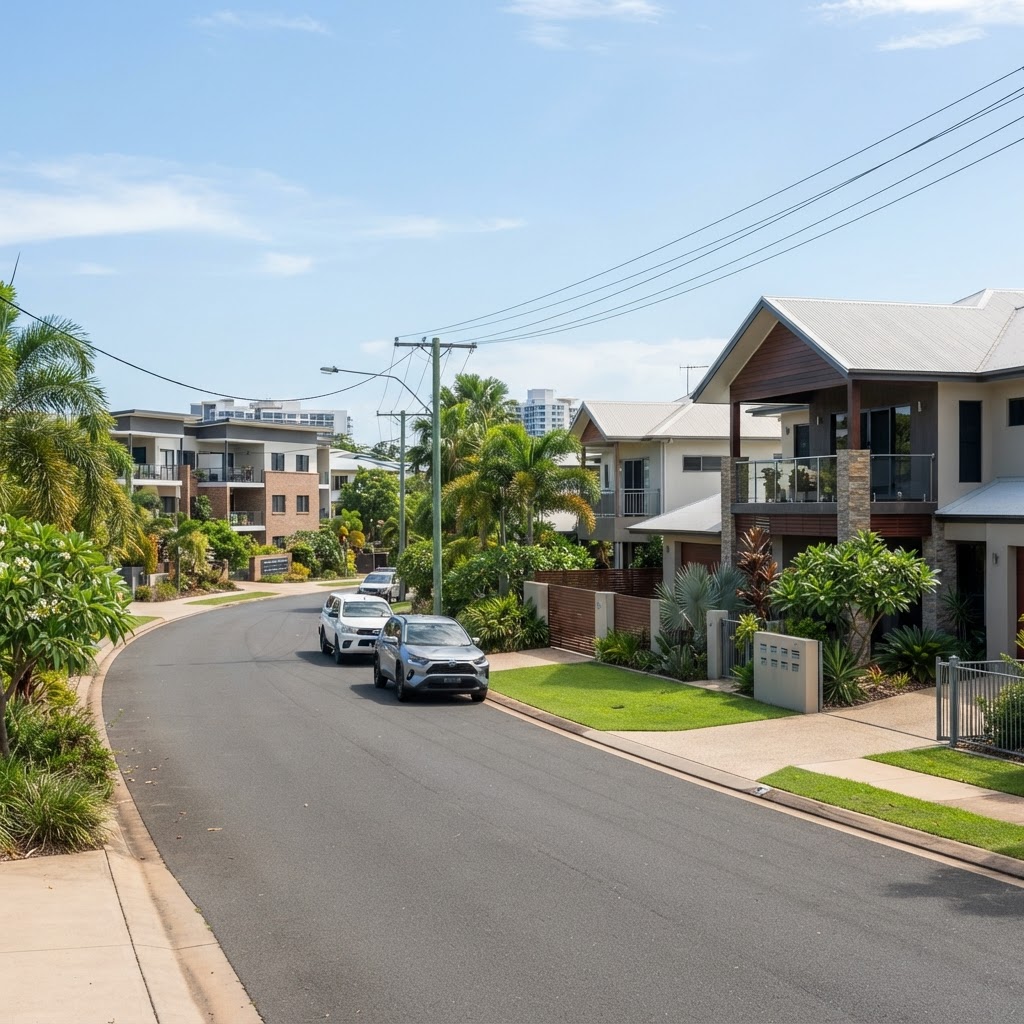
In Darwin’s heated rental market, the 30% rule-a benchmark that says rent should not exceed 30% of your pre-tax income-is being routinely tested. With median weekly rents for a three-bedroom home hitting $660 in suburbs like Nightcliff and the CBD, many tenants are paying well above the affordability line.
This is not just a statistical debate. The surge in local rents comes as cost-of-living pressures bite, and federal defence spending promises to turbocharge population growth across Palmerston, Zuccoli, and Johnston. For public sector and mining workers-who make up a significant chunk of the Territory’s workforce-finding housing that doesn’t consume a third or more of their pay is an increasing struggle.
Crunching the Numbers: Rental Realities from Casuarina to Parap
The 30% guideline was designed to shield households from financial stress. In practice, it now pushes many towards stark choices. Take Casuarina: median weekly rent for a two-bedroom unit in May 2026 was $520, according to CoreLogic. For a couple earning a combined $98,000 per year (pre-tax) in government or mining jobs, that figure just clears the affordability threshold. But single-income households and new arrivals-especially those taking up short-term contracts at Royal Darwin Hospital in Tiwi or Charles Darwin University in Brinkin-often face rents that eat up closer to 40% of take-home pay.
Meanwhile, buyers aren’t immune to the squeeze. Darwin’s median house price hovered at $490,000 in the last REINT quarterly report. With loan repayments on a 6.4% variable mortgage now topping $2,850 per month for a typical three-bedroom in Palmerston, homeowners too can end up at or beyond the 30% ratio-especially if they made smaller deposits or borrowed at recently higher fixed interest rates. This is particularly acute in fast-growing estates like Bakewell and Bellamack, where first-home buyer grants have led to intense competition but no corresponding dip in entry-level prices.
A Way Forward: Rethinking Affordability in Darwin
Darwin’s situation is distinct from Australia’s southern capitals. High migration for mining and defence, limited new construction, and short rental supply keep both rents and yields elevated. Data from SQM Research shows Darwin maintains the nation’s highest gross rental yield-6.3% for houses and 7.2% for units as of June-drawing investors but leaving many locals straining to meet benchmark affordability.
For renters, tools like the NT Government’s Bond Assistance Loan and Territory Housing’s eligibility calculator can help, but many still ‘rentvest’-renting modestly while investing elsewhere-or opt for share houses in places like Stuart Park and Rapid Creek to stay within budget. Prospective buyers are urged to factor in rising insurance, utilities, and body corporate costs, not just advertised mortgage rates.
While policy moves like the City of Darwin’s affordable housing scheme aim to add stock, most analysts caution that the 30% rule remains a useful but imperfect gauge. In a market where rents rarely fall, it pays to budget tightly and seek advice early-before costs breach the threshold and financial stress starts eating into Territory lifestyle. Watch for coming state housing initiatives and Relief Grants, especially for those setting up in new growth hubs like Zuccoli or Lyons, as local tenants and would-be buyers navigate the testing boundary between shelter and stretch.
This article is general information only and is not personal financial or investment advice. Consider your own circumstances and seek licensed professional advice before making financial decisions.