property
Fannie Bay: Darwin's Blue-Chip Suburb That Still Has Room to Run
While southern markets wobble and Gen Z scrambles for a foothold, one Darwin suburb offers prestige addresses, genuine yield, and prices that would make a Sydney buyer weep.
How we reported this
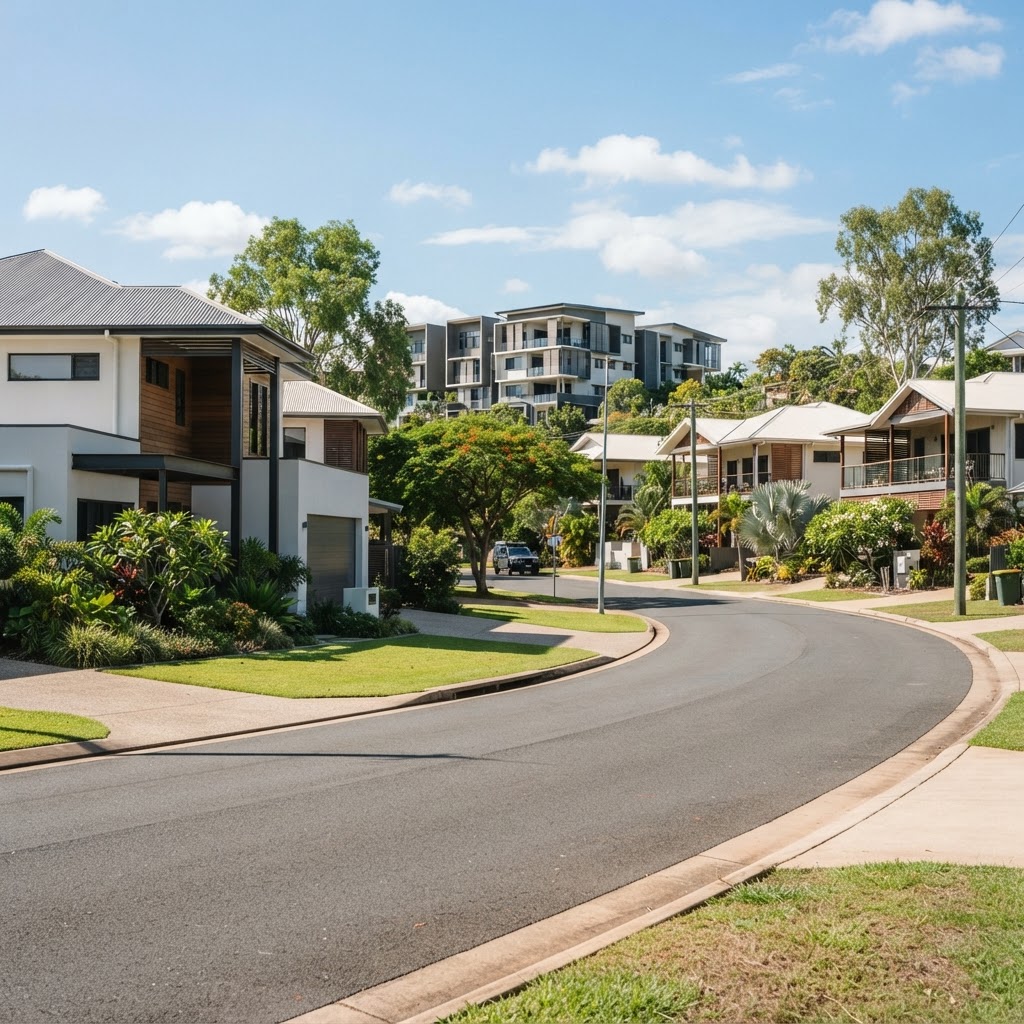
Fannie Bay is not a secret. It sits between Mindil Beach and the Darwin CBD, flanked by the Darwin Turf Club on Bagot Road and the broad green lawns of the George Brown Darwin Botanic Gardens. Estate agents have been spruiking it for years. And yet, in mid-2026, the suburb continues to offer something increasingly rare in Australian property: blue-chip credentials without blue-chip entry costs.
The Northern Territory's residential median sits around $490,000, a figure that would not buy a carport in many Melbourne postcodes. Fannie Bay trades well above that mark, with houses regularly changing hands in the $700,000 to $950,000 range, but the comparison with equivalent inner-city suburbs in Brisbane or Perth still favours Darwin buyers substantially. That gap is the story right now, particularly as Melbourne's auction market records its worst winter start in recent memory and southern investors go looking for alternatives.
Why Fannie Bay, Why Now
Three forces are converging. First, the federal government's sustained defence spending uplift, centred on RAAF Base Darwin and Robertson Barracks in Palmerston, is pulling well-paid professionals and contractors into the Top End in numbers not seen since the LNG construction boom of the early 2010s. Those workers need housing close to the CBD and the base corridor, and Fannie Bay sits squarely on that commute line via Tiger Brennan Drive.
Second, rental yields across Darwin are running at roughly 6 to 7 percent, the highest of any capital or near-capital market in Australia. In Fannie Bay, where tenant demand skews toward senior Defence and public service staff who stay for three-year postings, vacancy rates are tight and lease terms are longer than average. For an investor carrying a mortgage at current rates, that yield arithmetic is materially better than almost anything on offer in Sydney or Melbourne's inner ring.
Third, supply is constrained. Fannie Bay is a mature, largely built-out suburb of roughly 3,000 residents. New townhouse stock has crept in along sections of East Point Road, but large-scale infill development is limited by block sizes and heritage character. When listings are thin, and in 2025 and into 2026 they have been, competition among buyers moves prices.
Where the Value Sits Inside the Suburb
Not every Fannie Bay street is equal. The highest prices cluster along the East Point peninsula toward East Point Reserve, where houses face the Timor Sea and the breezes make wet-season living tolerable. Renovated four-bedroom homes on those streets have tested $1.1 million and above.
The value proposition, the reason to pay attention right now, lies in the pockets slightly inland, particularly streets running off Ross Smith Avenue and toward the Darwin Sailing Club precinct. Here, solid three-bedroom homes on 700-square-metre blocks with pools are still transacting below $800,000. Those properties share the suburb's school catchment for Larrakeyah Primary School, a short cycle to the Parap Village market on Saturday mornings, and the same postcode cachet. The price differential to the water-facing streets is meaningful.
For owner-occupiers, the lifestyle calculus adds up quickly: Mindil Beach Sunset Market reopens each dry season to a crowd of thousands, and the Darwin Entertainment Centre is less than three kilometres away. For investors, a four-bedroom home in that mid-suburb band, rented to a Defence family at market rates, can generate gross yields approaching 6.5 percent based on current advertised rents.
The practical advice for anyone watching from the southern states is straightforward: do the numbers now, before the next wave of defence-related arrivals tightens the market further. Engage a Darwin-based buyer's agent or contact the Real Estate Institute of the Northern Territory for vetted local practitioners. Inspect during the dry season, May through September, when the suburb shows best and flights are cheap. And check the NT Government's HomeGrown Territory incentive scheme, which has periodically offered stamp duty concessions for owner-occupiers buying established homes, to see whether any current eligibility applies to your situation.
Fannie Bay will not stay undervalued forever. The window is open. It will not be open indefinitely.
This article is general information only and is not personal financial or investment advice. Consider your own circumstances and seek licensed professional advice before making financial decisions.