property
Rent vs Buy in Darwin: Is Renting Actually Cheaper Than Buying Right Now?
With the NT median sitting near $490,000 and rental yields among the highest in the country, Darwin's affordability equation is more complicated than it looks.
How we reported this
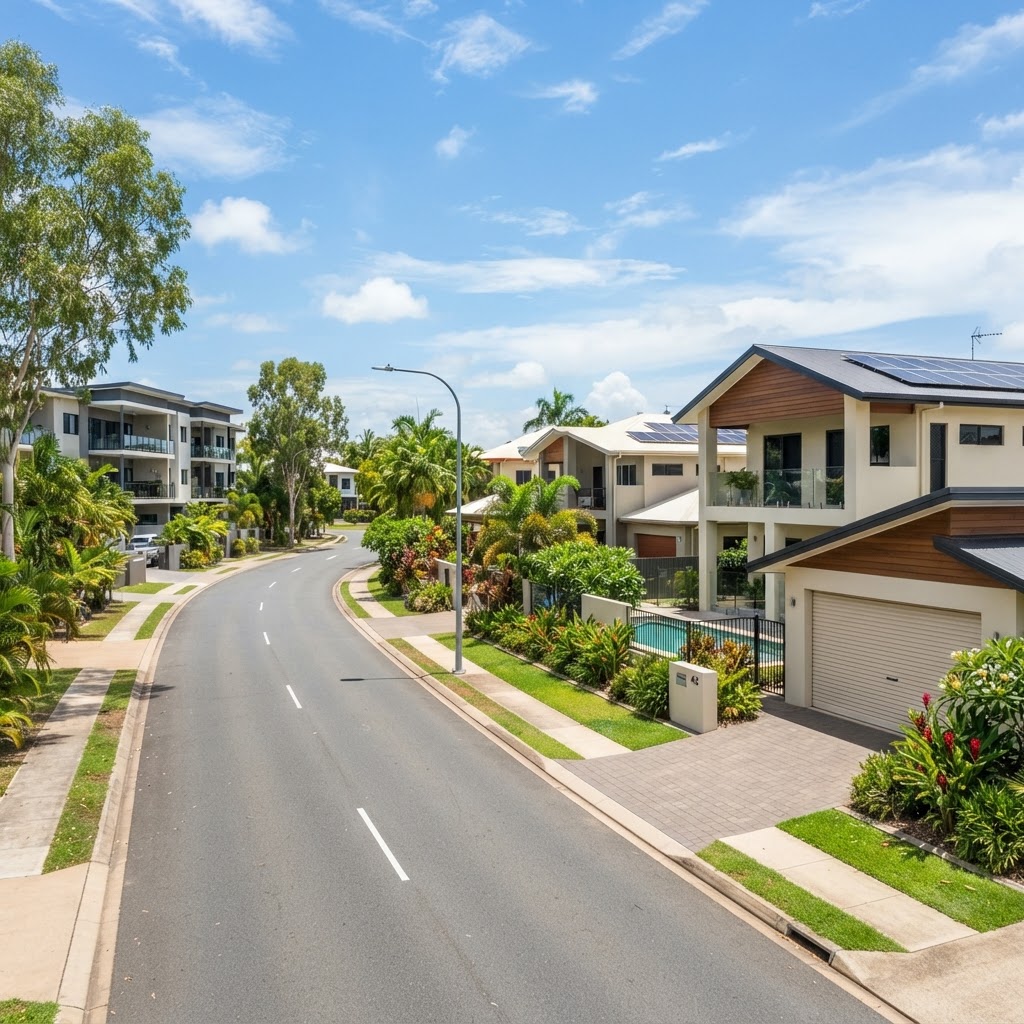
For the first time in years, Darwin renters have a genuine case to make at the dinner table. Monthly mortgage repayments on a median-priced Darwin home, currently sitting around $490,000, are running well ahead of what most tenants are paying in weekly rent, even after accounting for the Territory's notoriously tight vacancy rates. The numbers, on the surface, favour staying put and keeping the landlord happy.
The timing matters. Interest rates, though off their 2023 peak, have not fallen far enough to close the gap between renting and servicing a mortgage for first-home buyers without substantial deposits. A 20 per cent deposit on a $490,000 Darwin property is $98,000, money that, for a defence contractor on Larrakeyah Barracks or a nurse at Royal Darwin Hospital, takes years to accumulate while also paying rent. The federal government's Help to Buy shared equity scheme is now operational, but take-up in the Territory has been limited by the program's income caps and property price thresholds.
What the Numbers Actually Show
Darwin's rental yields are the key tension in this story. The city routinely records gross yields of 6 to 7 per cent, among the highest of any capital in Australia, which tells you something important: rents are high relative to property values. A three-bedroom house in Palmerston, Darwin's fastest-growing satellite city, is currently fetching somewhere between $550 and $620 per week in rent depending on the street. That same house, purchased at market value, would generate mortgage repayments closer to $750 to $800 per week on a standard 30-year principal-and-interest loan at current rates, assuming a 10 per cent deposit and lenders mortgage insurance rolled in.
On a pure cash-flow basis, renting wins, at least week to week. But that calculation ignores equity building, the capital growth prospects of suburbs like Zuccoli and Johnston on Darwin's southern fringe, and the tax positions of owner-occupiers versus investors. The Real Estate Institute of the Northern Territory tracks these dynamics quarterly, and its figures consistently show Darwin as an outlier nationally, where the rent-versus-buy spread is narrower than Sydney or Melbourne but still meaningful for buyers without significant savings.
The Palmerston growth corridor is worth watching closely. New land releases around the suburb of Bellamack have kept house-and-land packages on the market below $550,000 in some cases, and the NT Government's HomeNorth scheme offers concessional loans and stamp duty exemptions for eligible buyers, a genuine circuit-breaker for those who can qualify. Without a concession, stamp duty alone on a $490,000 purchase in the Territory runs to roughly $23,000, a figure that makes the renter's position look even more attractive in the short term.
The Case for Buying Anyway
Darwin's property market has a history of sharp, fast-moving cycles. The city's defence spending uplift, tied to the expanded US Marine rotation through Robertson Barracks at Palmerston and ongoing AUKUS infrastructure investment, is pushing population projections upward in a way that could tighten supply faster than new stock can absorb it. Renters who sit on the sidelines waiting for prices to soften may find themselves competing for properties in a market that has already moved.
There is also the landlord risk. Darwin's rental vacancy rate has been running below 2 per cent for much of 2025 and into 2026, meaning tenants have little negotiating power at lease renewal. A landlord decision to sell or move back in can displace a family with 30 days notice and nowhere affordable to go.
The practical advice is unglamorous but honest: run the numbers for your specific situation rather than the median. A buyer entering Coconut Grove or Nightcliff with a 20 per cent deposit and a stable government salary is in a different position to a fly-in, fly-out worker renting in Parap who moves every two years. For those who plan to stay in Darwin for five or more years and can access HomeNorth or the federal shared equity program, buying likely wins. For everyone else right now, renting is keeping more cash in pockets, which is not nothing in a city where the cost of living runs well above southern capitals.
This article is general information only and is not personal financial or investment advice. Consider your own circumstances and seek licensed professional advice before making financial decisions.