sport
Darwin high school sport: facilities, venues and the push to keep kids playing
With student numbers climbing and club demand rising, the city’s school sport infrastructure is under the microscope.
How we reported this
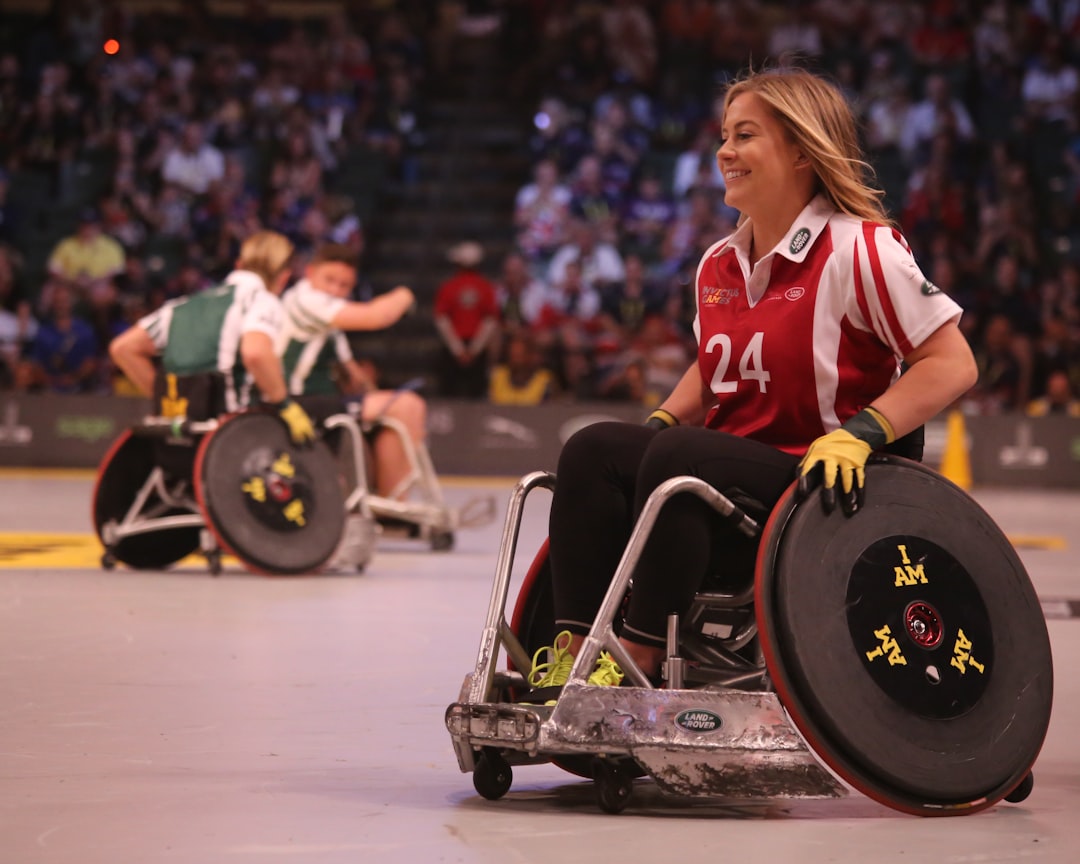
Darwin’s high school athletics programs are testing the limits of the city’s sport infrastructure, as growing student enrolments and a post-pandemic surge in club participation put pressure on ovals, courts and change rooms. Principals and local sporting organisations have begun informal talks with the Darwin City Council and the Northern Territory Government about what comes next.
Facilities under the pump
The most visible pressure point is at Marrara Sporting Complex, the city’s main multi-sport hub. Its athletics track, built for the 2000 Olympics qualifying meets, now hosts more than a dozen school carnivals each year plus weekend club fixtures. The NT Department of Education’s 2025 school census showed enrolments in Darwin’s public high schools grew by 4.2 per cent compared to 2024, adding roughly 300 students who funnel into the same pool of facilities.
At Casuarina Senior College, the school’s own oval floods during the wet season, forcing track-and-field training onto the roads around the campus. Teachers told The Daily Darwin that students often skip lunchtime practice because the grass is too waterlogged. A similar story plays out at Nightcliff Middle School, where the basketball courts double as a carpark after 3pm.
Who pays and who decides
The Northern Territory Government’s 2025-26 budget allocated $12.8 million for school sport infrastructure across the Territory, but Darwin school principals say the money is stretched across 22 campuses and major projects-like a covered grandstand at Marrara-are still in the design phase. The NT Sport and Recreation Minister’s office confirmed last month that a business case for upgrading the Marrara athletics track is being prepared, but no construction timeline has been set.
Meanwhile, the Darwin Athletics Centre, a volunteer-run body that coordinates Saturday morning meets, reported a 15 per cent increase in junior registrations in 2025 compared to 2024. Its president, speaking on background, said the centre had to turn away 40 children from the last school holiday program because the track could only safely accommodate 120 participants per session.
The City of Darwin’s 2026-30 Recreation Infrastructure Plan, released in March, identifies five high-demand suburbs-Karama, Malak, Wagaman, Tiwi and Alawa-where no school oval has synthetic turf or floodlighting. The plan recommends installing lights at four school ovals by 2028, but funding has not been confirmed.
What happens next
The NT Government is expected to release a draft Territory-wide Sport and Recreation Strategy in August 2026, which will include a section on shared-use agreements between schools and clubs. Darwin school sport coordinators are watching that process closely. For now, students keep training where they can-on flooded grass, in carpark courts, and on the Marrara track that is working double shifts.