tech
Darwin's Tech Meetup Circuit Proves a Quiet Antidote to Big Tech's Turbulence
A recent warning from Microsoft's CEO and an Apple trade secrets lawsuit dominate headlines, but local organizers say the real story is how regular residents are integrating AI into their daily routines.
How we reported this
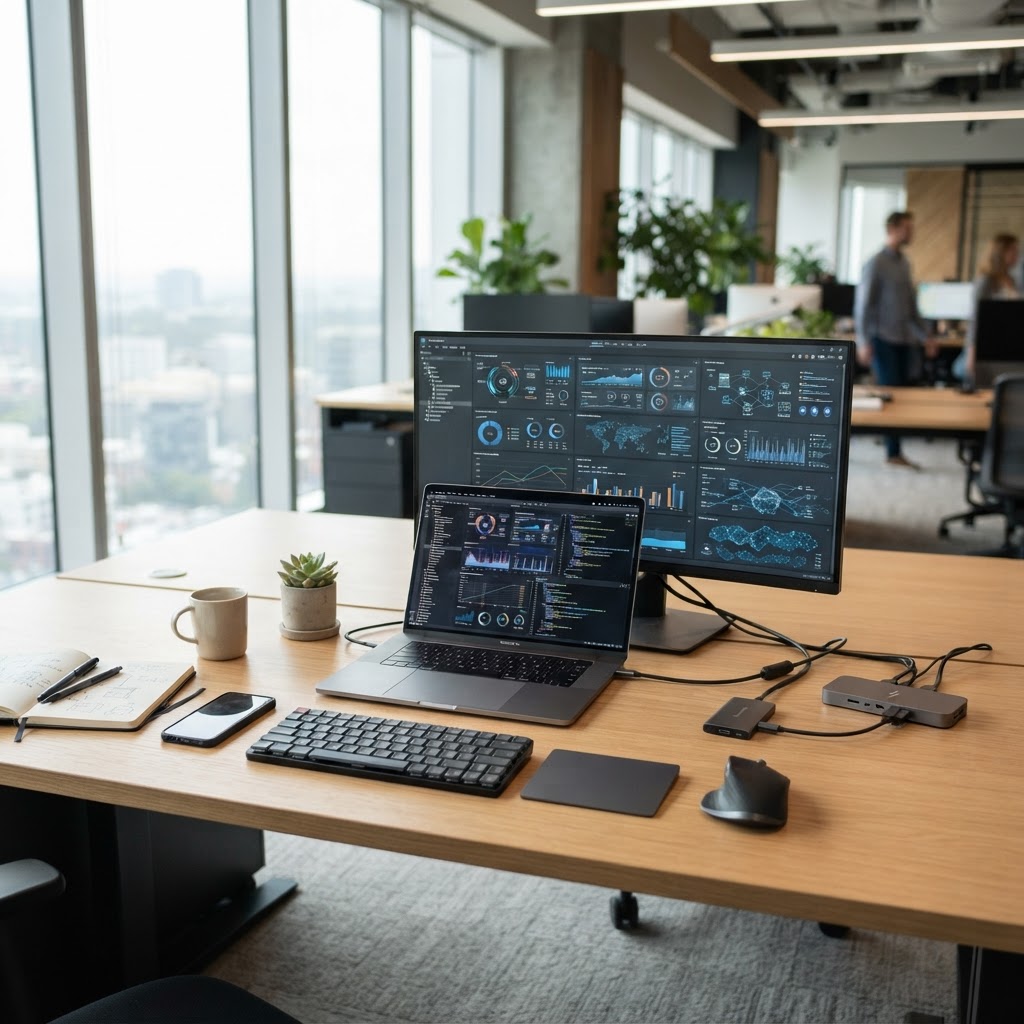
The steady hum of Darwin's tech meetup scene hasn't missed a beat this month, even as headlines from the global industry grow louder. On a sticky Tuesday evening in mid-July, roughly 40 people filed into a co-working space on Pitt Street for a monthly meetup focused on applied AI. No one mentioned Satya Nadella's warning to companies earlier that same day, or Apple's freshly unsealed trade secrets lawsuit against OpenAI.
That disconnect, organizers say, is the point. The meetup wasn't about what Sam Altman said about space data centers. It was about something far more pedestrian: how a property manager in the room used a no-code AI tool to draft apartment listing descriptions in half the time, and how a high school teacher built a quiz generator that writes exam questions keyed to the Australian curriculum.
Darwin is not San Francisco. There is no venture capital rivaling the Bay Area pouring into the city's tech ecosystem. But the conversations happening on weeknights in rooms above cafes on George Street and in the community halls of Fannie Bay reflect a quiet, widespread adoption of generative AI that has already changed how people here work and learn.
From Hypothetical to Habit
What the Apple lawsuit alleges-that a former employee exploited a rare bug to download confidential files before joining OpenAI-may feel distant. But the local meetup crowd sees it as a symptom of a high-stakes corporate war that has little to do with their daily realities. In Darwin, the question is rarely about cutting-edge safety vulnerabilities. It is about whether the AI chatbot a local legal firm bought six months ago actually saved the paralegals any time.
Organizers of Darwin's main monthly AI meetup, which operates without a formal name or a social media presence beyond a Slack group, said attendance has doubled since early 2025. Many attendees are not developers. They are office administrators, graphic designers, retirees and public servants from the Northern Territory government. One attendee this month showed a spreadsheet of prompt templates he built for writing grant applications, a task that consumes entire afternoons for many local community organizations.
The shift is happening without any official endorsement. The Northern Territory government has not issued a formal AI policy for citizens. Yet the meetup's organizer, a software developer who asked not to be named because his employer has not taken a public position on AI, estimated that 90 percent of regular attendees now use generative AI tools at least once a week for work tasks. That is a qualitative estimate, but it tracks with the visible change in conversation-two years ago, the same meetup spent its hours debating whether AI was overhyped. Now, the discussions are about cost, reliability and hallucination rates.
Where Privacy Meets Potato Salad
The real battleground in Darwin's everyday use of AI is not intellectual property theft or data center emissions. It is privacy. At a community technology forum held at the Darwin Innovation Hub last month, several residents expressed unease about uploading sensitive documents to free consumer AI tools. The concern was not abstract. One participant, a caseworker at a local nonprofit, described pasting text from a client's housing application into a free AI tool and immediately realizing the data was now on a server in another country.
These privacy anxieties have not stopped adoption, but they are reshaping it. A small but growing number of local small businesses have begun asking developers for local-hosted or offline AI tools. One meetup attendee, who runs a two-person architecture firm out of a Parap studio, said he now pays for a subscription to a private AI service rather than using free options, citing client confidentiality in heritage building assessments.
Apple's lawsuit will play out in a California federal courtroom, and Nadella's warning may matter to corporate IT directors. In Darwin, the technology's real impact is being negotiated over half-empty coffee cups and worn-out power outlets. There is no telling whether the next BlueScope data center or a new government AI task force will change that calculus. But the Tuesday night meetup will likely still draw 40 people, and someone will still bring the single potato salad.