tech
Darwin’s Green Shift: What Tech Professionals and Job Seekers Need to Know
As Northern Territory infrastructure evolves, new opportunities in renewable energy and smart city management are reshaping the local professional landscape.
How we reported this
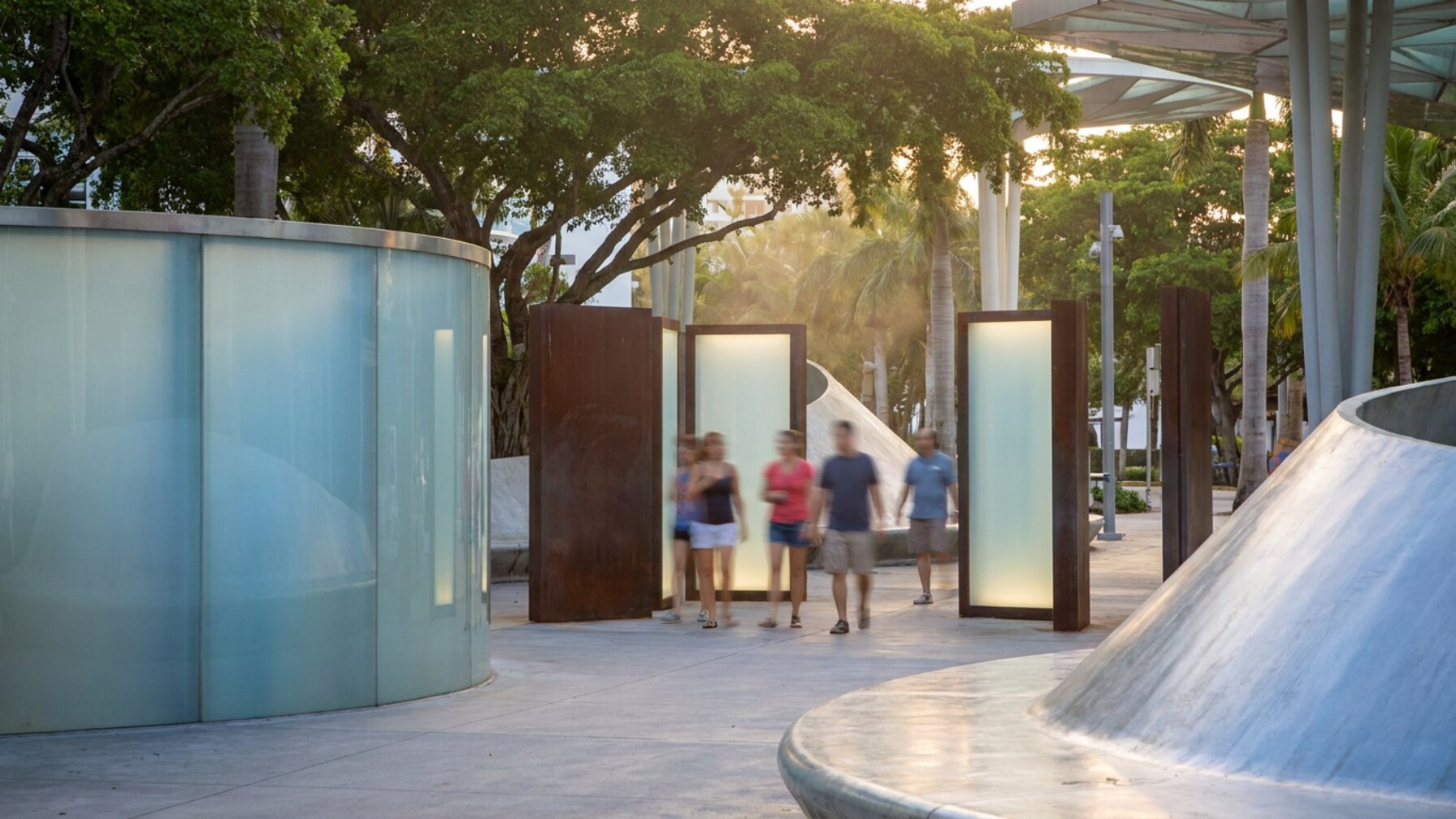
Darwin is rapidly positioning itself as a central hub for renewable energy innovation and smart urban development. For technology professionals, engineers, and sustainability specialists, the shift toward a green economy is creating a distinct set of career opportunities and long-term project roles across the region.
The current industrial landscape is defined by large-scale capital projects that blend traditional utility management with advanced clean-tech solutions. From the implementation of complex environmental sensor networks to the development of utility-scale solar production, the city’s transition is creating demand for a workforce capable of managing and scaling these emerging systems.
Building the Infrastructure of Tomorrow
For those looking to enter or advance within the green technology sector, the primary developments in Darwin offer significant insight into the skills that will be in high demand. Projects like the proposed Darwin H2 Hub represent a major ambition for the region. As a proposed solar-powered green hydrogen production and export facility, the project targets a scale of over 80,000 tonnes of renewable hydrogen annually, supported by a 4.5GW solar farm, according to project documentation sourced from Darwin H2 Hub. Professionals with backgrounds in hydrogen electrolysis, large-scale solar infrastructure, and export logistics are likely to find this sector of increasing interest as the project progresses.
Simultaneously, the city has become a living laboratory for smart infrastructure. The 'Switching on Darwin' project, cited by local planning sources, encompasses a significant network of 900+ smart LED street lights, environmental sensors, and smart parking systems. This initiative represents Australia’s largest smart city project, emphasizing the integration of data analytics and public safety management into everyday urban infrastructure. For software engineers, data analysts, and systems integrators, these platforms represent a core area of ongoing local technical development.
Waste-to-Energy and Solar Integration
The transition is not limited to new construction; it is also fundamentally changing how the city processes waste and manages existing facilities. The Shoal Bay Renewable Energy Facility is a critical example of this, serving as the first tropical 'waste to energy' plant in Australia. By converting landfill methane, the plant provides enough power to supply 1,800 homes while preventing 46,000 tonnes of CO2 emissions each year, as noted in energy sector reports. Furthermore, a new $70 million facility at Shoal Bay is set to utilize pyrolysis technology to convert 100,000 tonnes of green waste into 15 million litres of biodiesel annually for electricity generation.
These developments signify a move toward circular economy models within the Northern Territory. Similarly, the local aviation sector is integrating sustainability into its core operations. Darwin International Airport currently features the world’s largest airside photovoltaic system, which generates 25% of the airport's total energy needs. According to the Airport Development Group, a $20 million investment has been committed to solar power to ensure the facility reaches net zero by 2030. For professionals in the clean-tech and electrical engineering spaces, these investments indicate a consistent, long-term commitment to decarbonizing key transit and utility infrastructure.
For job seekers and professionals, the focus should remain on monitoring the progression of these major regional developments. Aligning career development with organizations involved in these large-scale sustainability projects-particularly those centered on hydrogen, biomass conversion, and smart city sensor networks-will be the most effective way to engage with Darwin’s evolving industrial and technological landscape.
Produced with AI assistance and reviewed against our editorial standards. Sources are linked where available. Spotted an error or need a correction? Contact [email protected].