wellness
Five Breathwork Techniques for Instant Calm During a Stressful Day
Darwin's relentless heat and high-octane pace make the Top End a surprisingly urgent classroom for learning how to breathe your way back to baseline.
How we reported this
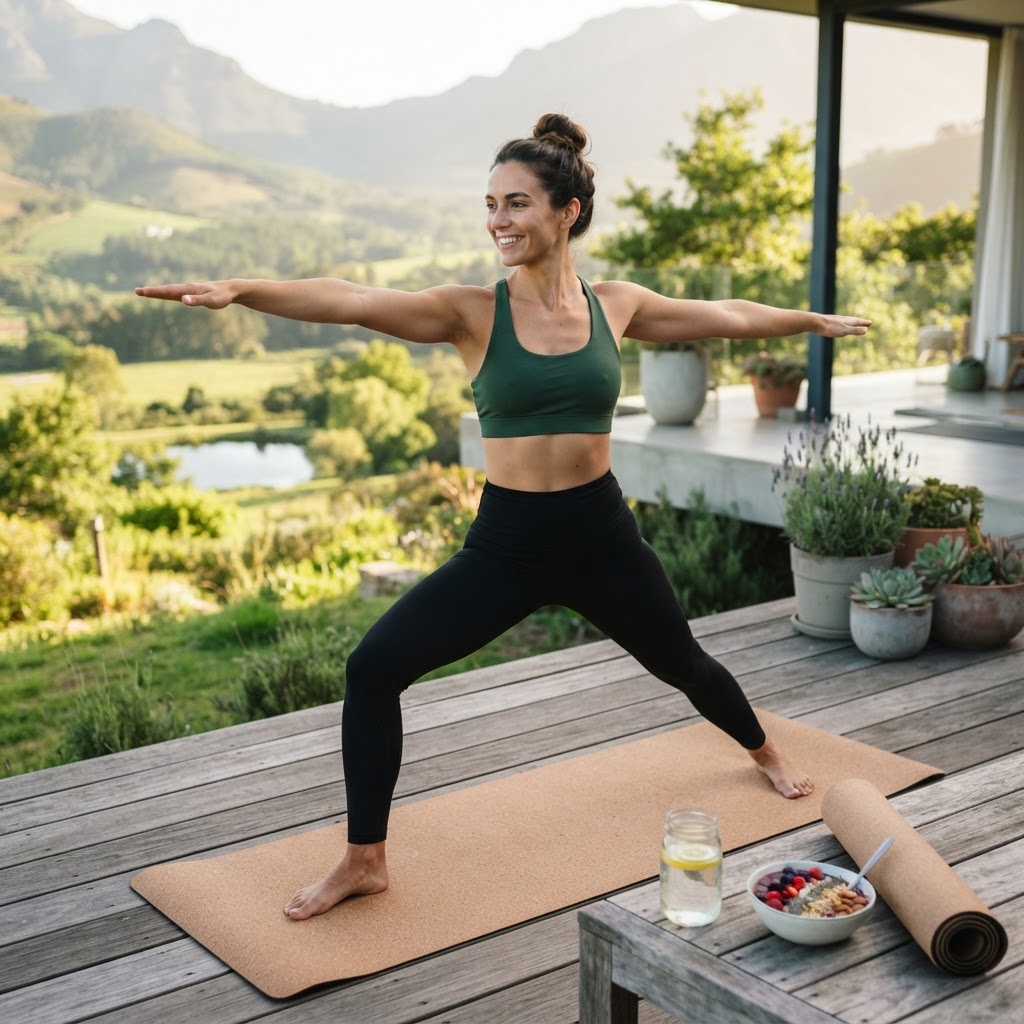
It takes about 90 seconds. That's the rough window, according to research published in the journal Cell Reports Medicine in January 2023, during which a single cycle of controlled breathing can measurably shift the nervous system away from a stress response. For Darwinites juggling humidity that routinely sits above 80 percent, condensed wet-season chaos, and the particular psychological pressure of living 3,000 kilometres from the nearest major city, that 90-second reset is worth knowing about.
The interest in breathwork has spiked well beyond yoga studios and meditation apps. Workplace wellbeing programs across the Northern Territory public sector have quietly expanded mindfulness components in recent years, and local allied health providers are increasingly pointing clients toward structured breathing practice as a first-line tool, not a replacement for clinical care, but a genuinely evidence-grounded starting point anyone can use for free, right now, wherever they are.
Why Darwin Is Both the Problem and the Laboratory
The Top End's climate does something particular to the body. Heat loading accelerates shallow chest breathing, which is exactly the pattern that keeps the sympathetic nervous system, the fight-or-flight branch, switched on. Darwin's average maximum in the build-up months sits around 33 degrees Celsius with high humidity, and the physiological load is real. Add a packed schedule at the Darwin Waterfront Precinct during a conference week, or a long shift at Royal Darwin Hospital on Rocklands Drive, and the cumulative arousal in the nervous system compounds hour by hour.
The good news: the same outdoor culture that creates the stress also provides the setting for breathwork. Mindil Beach, the Darwin Botanic Gardens on Gardens Road, and the wave lagoon at the Waterfront are all within reach of the CBD. Research consistently shows that combining breathwork with natural environments amplifies the parasympathetic response, the rest-and-digest state. You don't need a studio.
Here are five techniques grounded in current physiological research, calibrated for a working day in Darwin.
1. Physiological sigh (60-90 seconds). Double-inhale through the nose, one full breath, then a short sharp top-up, followed by a long, slow exhale through the mouth. Stanford neuroscientist Andrew Huberman's lab published findings in 2023 showing this pattern deflates the small air sacs in the lungs that collapse under stress, rapidly lowering carbon dioxide and calming heart rate. Do it once at your desk before a difficult meeting.
2. Box breathing (four minutes). Inhale for four counts, hold for four, exhale for four, hold for four. Used in high-stress professions including emergency medicine and military training. Darwin Runners Club members have reported using box breathing before interval training at Mindil Beach to lower pre-session jitteriness. Set a phone timer and park yourself under a tree.
3. 4-7-8 breathing (two minutes). Inhale for four counts, hold for seven, exhale for eight. The extended exhale is the mechanism, it lengthens the out-breath relative to the in-breath, which directly stimulates the vagus nerve. Best used during a lunch break rather than mid-task, as some people feel briefly lightheaded initially.
4. Resonance breathing (five minutes). Breathing at roughly five to six breaths per minute, about five seconds in, five seconds out, has been shown in multiple peer-reviewed trials to maximise heart rate variability, a key marker of resilience. This one rewards practice. Even two weeks of ten minutes daily produces measurable changes in baseline anxiety scores, according to a 2021 meta-analysis in Frontiers in Psychiatry.
5. Alternate nostril breathing (three minutes). Close the right nostril, inhale left, close both, exhale right; repeat on the other side. It sounds fiddly but becomes second nature quickly. Evidence suggests it balances activation across brain hemispheres and lowers blood pressure acutely. Try it in the car park behind Coles on Smith Street before heading back into the office.
Making It Stick in the Top End
The Darwin and Katherine Region branch of Mindfulness Australia runs periodic community workshops, and Top End Health Service's chronic disease prevention programs have incorporated breathing-based stress tools into patient education materials. Neither requires a referral or a fee to access initial information.
The practical barrier is not knowledge, it's the two-minute decision to actually stop and do it. Attaching a breathwork technique to an existing habit helps: the commute across the Casuarina Coastal Reserve walking track, the wait for the Mindil Beach sunset market stalls to open on Thursday evenings from April to October, or even the queue at a Darwin CBD café. The environment here is genuinely conducive. Use it.
Anyone managing anxiety, cardiovascular conditions, or respiratory issues should speak with a GP or allied health professional at a local practice before adopting any new breathing regimen. Breathwork is a tool, not a diagnosis.