wellness
Stepping out: How to start a walking group in your neighbourhood
Community connection and movement are finding a new rhythm across the Top End as residents organise their own local fitness initiatives.
How we reported this
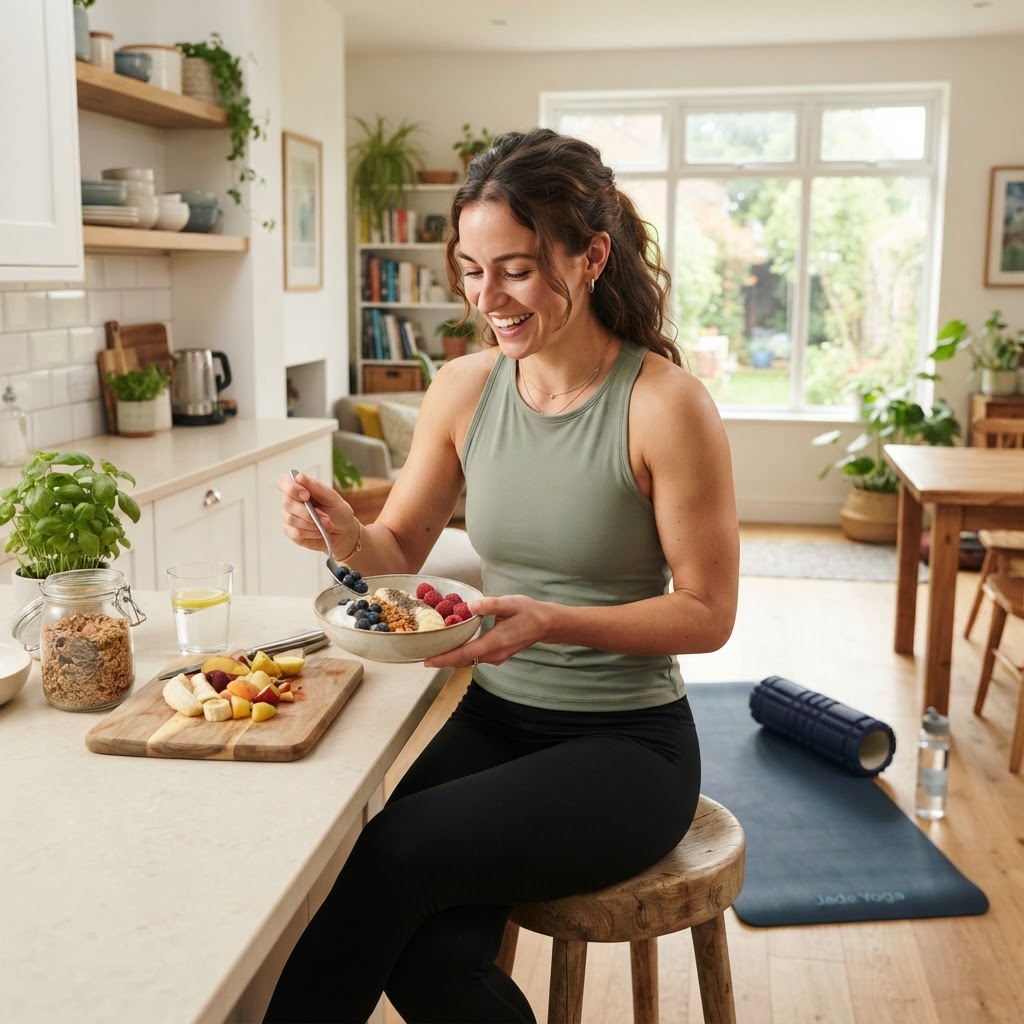
Darwin’s outdoor lifestyle is shifting focus from individual training sessions to collective movement as residents increasingly look for ways to combine social connection with physical activity. Whether navigating the shaded paths near the Darwin Waterfront or meeting for a brisk circuit around the Esplanade, local walking groups are emerging as a accessible remedy for the sedentary routines often associated with office work.
Building community from the ground up
Starting a walking group requires little more than a consistent schedule and a reliable meeting point. In suburbs like Parap or Rapid Creek, residents have begun using local park benches and neighbourhood cafes as informal base camps for weekend morning strolls. Coordination is key to maintaining momentum; using public notice boards or local community social media pages helps ensure that new participants feel welcome. Choosing a route that takes advantage of the dry season climate is essential, particularly for those planning sessions near the Mindil Beach sunset market area where the ocean breeze provides some relief from the midday heat.
For those looking to formalise their efforts, alignment with broader regional health networks can provide structure. While the Darwin Runners Club caters to those at a higher intensity, many neighbourhoods are finding success by keeping their own groups non-competitive and open to all fitness levels. Organisers should prioritise clear communication regarding meeting times and distance, ensuring that the route remains accessible for participants of varying abilities. Selecting a location with adequate lighting and footpaths, such as the areas surrounding the George Brown Darwin Botanic Gardens, often proves most effective for group safety and enjoyment.
Evidence and local engagement
Participation in group-based exercise has been linked to higher adherence rates compared to solitary workouts. According to data reported in The Guardian on July 6, 2026, concerns regarding metabolic health and frequent eating have prompted many Australians to seek more sustainable, long-term lifestyle habits rather than relying on short-term fads. This trend is evident in the Top End, where public infrastructure investment, such as the development of pedestrian-friendly corridors by the Northern Territory Government, has supported increased active transport. As of July 2026, health initiatives supported by the NT Department of Health continue to encourage residents to utilise public spaces for preventative wellness activities.
Getting started remains a simple process for the motivated resident. Pick a specific day and time that accommodates the majority, such as a Saturday morning before the temperature peaks. Map out a 3-to-5 kilometre loop that starts and finishes at a identifiable landmark, such as a local library or community centre. Before launching, consult a local medical professional to ensure your personal health strategy is sound, particularly if you are increasing your activity levels during the hotter months. By keeping the barrier to entry low-no membership fees or specialised equipment required-you increase the likelihood of sustaining a group that benefits the neighbourhood long-term.