Darwin's Investment Sector Braces for Headwinds as Cost-of-Living Crunch Deepens
Rising interest rates, volatile commodity prices, and household budget strain are testing the resilience of the city's financial services and property sectors.
Rising interest rates, volatile commodity prices, and household budget strain are testing the resilience of the city's financial services and property sectors.
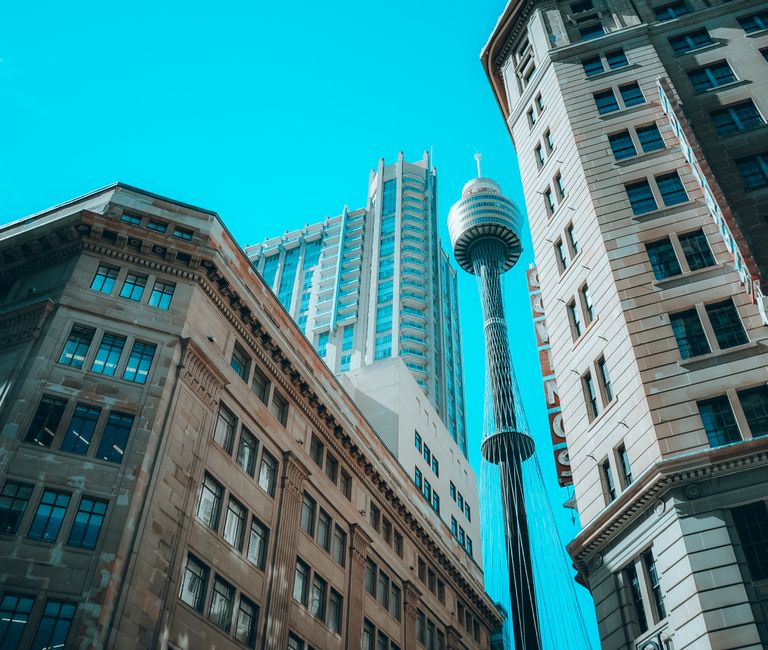
Darwin's investment and finance sector faces a complicated second half of 2026, as converging economic pressures threaten to dampen the growth trajectory that has characterised the Northern Territory capital over the past three years.
The Reserve Bank's decision to hold the official cash rate at 4.35 per cent has left mortgage holders across the city nursing affordability challenges. Data from the Northern Territory Property Council reveals that median house prices in established suburbs like Fannie Bay and Larrakeyah have climbed to $785,000—up 18 per cent since 2023—while rental vacancy rates hover below 2 per cent. For residents of the CBD and Mindil Beach precinct, the squeeze is even tighter, with weekly rents now averaging $520 for a two-bedroom apartment.
Financial advisors operating from offices along Mitchell Street report a marked shift in client sentiment. The optimism that buoyed Darwin's business district following the Port Authority's infrastructure investments has given way to caution. Investors are reassessing exposure to cyclical sectors, particularly given uncertainty around LNG export pricing and the broader energy transition debate that continues to reshape Australia's resource sector.
The challenge extends into retail investment. Shop vacancy rates along Smith Street and Cavenagh Street have ticked upward to 7.8 per cent, a three-year high, as consumer spending growth stalls under cost-of-living pressure. Grocery price inflation—outpacing the national average—has forced households to reassess discretionary spending, which in turn weighs on commercial property yields that investors once viewed as stable.
Rising construction costs add another layer of complexity. Development sites across Cullen Bay and near the Darwin Entertainment Centre face materials and labour cost blowouts that have forced several projects into extended planning phases. Finance brokers report increased client inquiries about construction loan deferrals and restructuring arrangements.
Yet some see opportunity within the headwinds. Wealth management firms note growing interest in defensive asset classes and diversified portfolios spanning renewable energy infrastructure, agricultural commodities, and interstate property. The NT Government's push to attract tech investment via the Innovation Hub near Darwin Airport has also begun drawing venture capital interest, though the quantum remains modest relative to southern capitals.
The coming months will test whether Darwin's investment sector can navigate these crosscurrents without significant retrenchment. Much hinges on commodity prices, interest rate trajectories, and whether household cost-of-living relief materialises as inflation continues moderating.
This article was compiled by AI from the sources linked above and screened before publishing. See our editorial standards.
Your reaction
Spread the word
About this article
Published by The Daily Darwin
Daily brief
Free, in your inbox before 7am. Weekdays.
The Daily Network — local news across Australia