Darwin's Office Market Faces Headwinds as Global Tensions Reshape Business Confidence
Geopolitical instability and shifting investment patterns are forcing local commercial property owners to rethink strategy in an increasingly unpredictable world.
Geopolitical instability and shifting investment patterns are forcing local commercial property owners to rethink strategy in an increasingly unpredictable world.
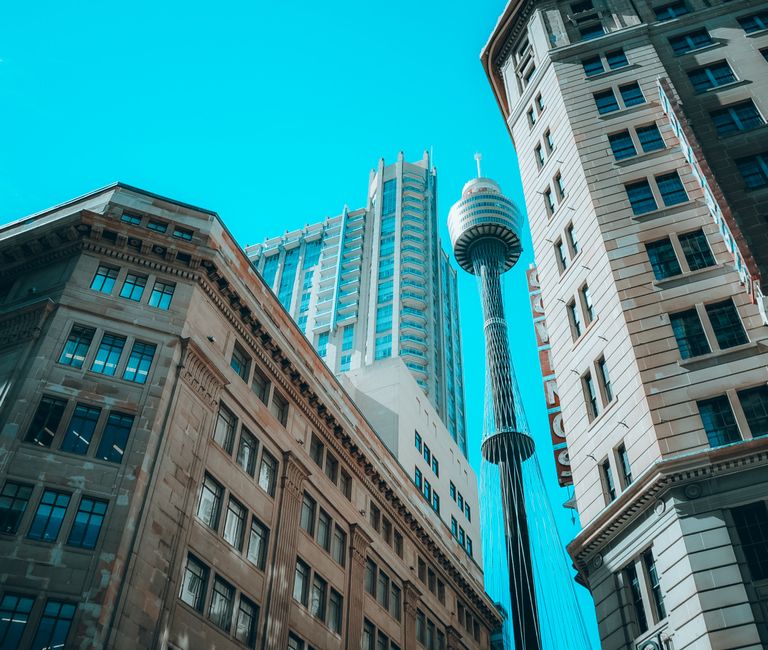
The commercial property market along Mitchell Street and around the CBD precinct is experiencing a peculiar squeeze. While Darwin's office vacancy rates have historically hovered around 8-10%, recent months have seen tenancy inquiries drop sharply as multinational firms reassess their regional exposure amid global uncertainty.
The ripple effects are unmistakable. Several international mining and resource companies—cornerstones of Darwin's business ecosystem—are consolidating their Northern Territory operations and reviewing lease commitments. A mid-sized office tower near the Darwin Waterfront has seen three significant tenant departures since March, leaving approximately 15% of its space unlet. Rental rates, previously holding steady at $280-320 per square metre annually, have softened to $250-290 as landlords compete for stability.
The broader context matters enormously for a city whose economy is so tightly bound to global commodity markets and geopolitical stability. Energy sector volatility, combined with ongoing tension in critical shipping lanes through the Strait of Hormuz, has spooked international investors who view Darwin as integral to supply chain security. Meanwhile, Korean and Japanese firms—traditionally significant Darwin business anchors—are reviewing Australian exposure as regional instability peaks.
Real estate agents report a marked shift in tenant behaviour. Where companies once signed 5-year leases without hesitation, they're now negotiating 2-year terms with break clauses. The Palmerston business district, once seen as an undervalued growth area, has stalled. Several speculative projects remain on the drawing board.
Yet not all sectors are retreating. Defence and aerospace tenants continue showing interest, particularly around the RAAF Base precinct corridor. A local commercial agent notes that businesses supporting regional stability infrastructure remain bullish, while export-dependent sectors are cautious.
For Darwin's property investors and business owners, the message is clear: global headwinds now dictate local conditions more than ever. The city's traditional reliance on resource extraction and regional trade means that overseas instability translates directly into empty desks and delayed development. Landlords adapting by offering flexible arrangements and improved tenant incentives are faring better than those holding firm to pre-2026 expectations.
Market analysts expect stabilisation by late 2026, but confidence that international tensions will ease remains tentative. For now, Darwin's commercial property sector is navigating a genuinely uncertain environment where local fundamentals matter less than global sentiment.
This article was compiled by AI from the sources linked above and screened before publishing. See our editorial standards.
Your reaction
Spread the word
About this article
Published by The Daily Darwin
Daily brief
Free, in your inbox before 7am. Weekdays.
The Daily Network — local news across Australia