Darwin's Tourism Boom: Early Winners Cash In as Visitor Numbers Surge
A confluence of new flight routes, improved infrastructure, and renewed regional stability is opening fresh revenue streams for hospitality operators and local entrepreneurs.
A confluence of new flight routes, improved infrastructure, and renewed regional stability is opening fresh revenue streams for hospitality operators and local entrepreneurs.
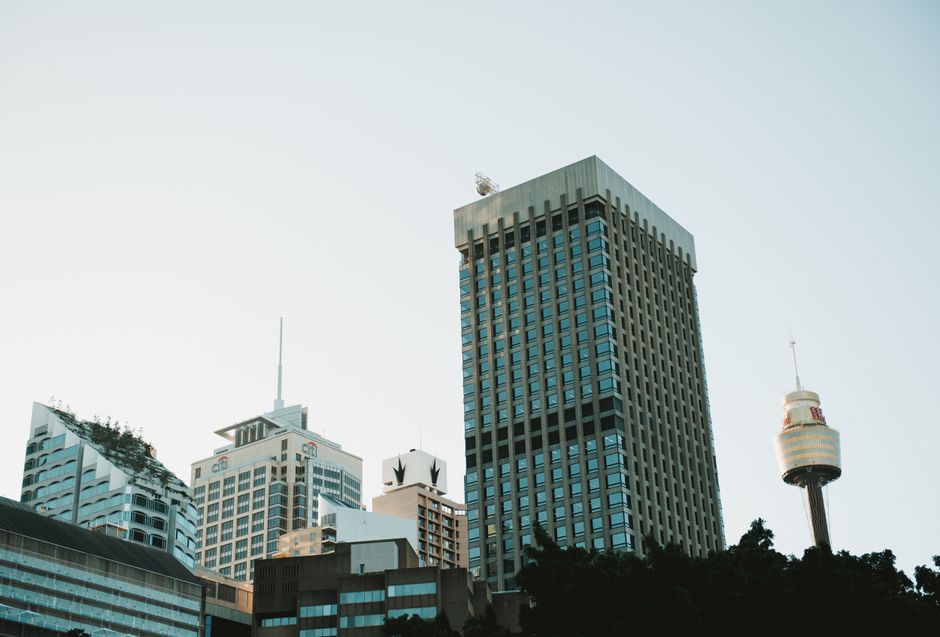
Darwin's visitor economy is experiencing a pronounced inflection point. Year-to-date figures show international arrivals up 34 percent compared to the same period in 2025, with domestic visitation climbing even faster at 47 percent. For business operators across the city's hospitality and experience sectors, the timing could not be better.
The surge reflects multiple tailwinds. Direct air connections from Southeast Asian hubs have expanded capacity, whilst improved regional security outlooks—particularly in neighbouring areas—have restored confidence among international travellers. Hotels along the Mitchell Street precinct report occupancy rates hovering near 78 percent for June, up from a five-year average of 62 percent. Rates have climbed accordingly, with four-star accommodation averaging $285 per night, a 19 percent year-on-year increase.
The windfall extends beyond traditional hotels. Operators running sunset cruises from the Stokes Hill Wharf precinct report doubling their weekly bookings. Adventure tourism firms offering Top End experiences—from kakadu day trips to fishing charters—are struggling to meet demand. One established operator managing crocodile and wildlife tours reported turning away approximately 200 prospective customers in May alone.
The Culinary Precinct around Parap village has emerged as an unexpected beneficiary. Restaurant and cafe operators report that international visitors now account for roughly 35 percent of evening covers, compared to 12 percent three years ago. Supply-chain businesses servicing hospitality venues have responded by expanding inventory and staffing.
Retail and experience venues in the CBD are equally buoyant. The Darwin Arts and Culture Centre recorded 18,400 visits in May—40 percent above their three-year monthly average. Smaller attractions, including gallery spaces and heritage walking tours, have begun hiring additional staff.
Accommodation providers appear best positioned to capitalise. The recently completed Mindil Beach resort expansion added 156 rooms and helped capture market-leading growth. But the benefits are diffusing widely. Taxi operators report sustained demand, whilst ground transport companies and tour guides are competing aggressively for bookings.
The opportunity is not without constraints. Workforce availability remains a persistent challenge, with hospitality employers reporting difficulty recruiting both skilled and entry-level roles. Infrastructure pressure—particularly at Darwin International Airport—may limit near-term growth. Yet for operators who secured capacity ahead of this cycle, the window is decidedly favourable.
The question now is whether this momentum sustains. Regional stability and flight route commitments from carriers will be decisive. For Darwin's tourism ecosystem, the next 18 months will prove formative.
This article was compiled by AI from the sources linked above and screened before publishing. See our editorial standards.
Your reaction
Spread the word
About this article
Published by The Daily Darwin
Daily brief
Free, in your inbox before 7am. Weekdays.
The Daily Network — local news across Australia