Why Your Local Darwin Café Owner Is Raising Prices—And What You Need to Know
From Larrakeyah to Fannie Bay, small business owners are navigating a perfect storm of costs that directly impacts your morning coffee and dinner out.
From Larrakeyah to Fannie Bay, small business owners are navigating a perfect storm of costs that directly impacts your morning coffee and dinner out.
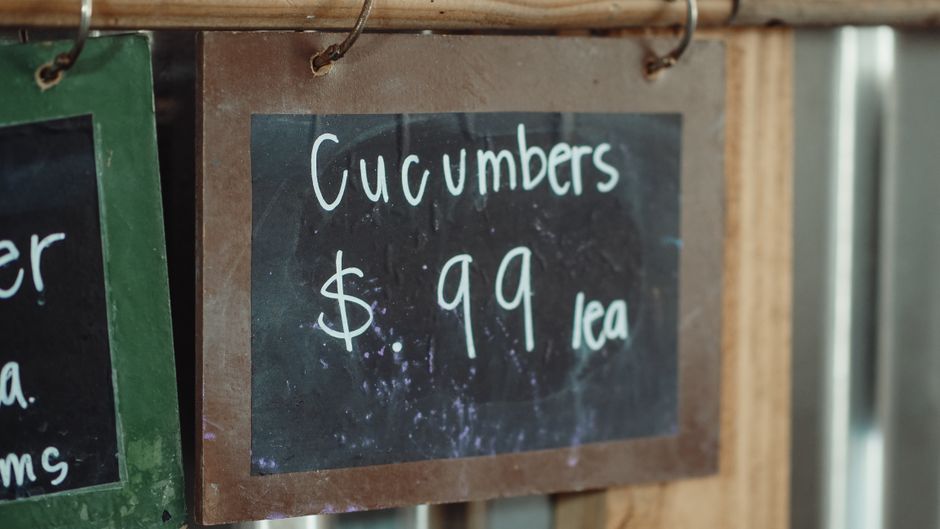
Walk down Smith Street any weekday morning and you'll notice something: the queue at your favourite laneway café is longer than ever, yet the owner looks more stressed than busy. That's because Darwin's small business community is facing unprecedented pressure, and residents need to understand why their everyday purchases are becoming more expensive.
The numbers tell the story. According to the Darwin Chamber of Commerce, operating costs for hospitality venues have surged 34% since early 2025, driven primarily by energy expenses and supply chain complications affecting Australia's northern regions. For a typical Mitchell Street restaurant, electricity bills have jumped from around $4,200 monthly to nearly $5,600. Rent on premium retail spots in the Darwin CBD has climbed 18% year-on-year.
But here's what matters to you as a consumer: these pressures don't stay with business owners. They ripple outward. That cappuccino that cost $4.80 last year? It's now $5.40 at many venues between Cullen Bay and the Howard Springs area. A mid-range dinner for two has shifted from $85 to $105 at comparable establishments around Mindil Beach and Fannie Bay.
What's less visible is the human cost. Small business operators in Darwin—a city where independent traders represent 68% of the retail sector—are making difficult choices. Some are reducing staff hours. Others are cutting back on local supplier orders, meaning fewer opportunities for the small agricultural producers and manufacturers who depend on them.
The situation is particularly acute for businesses without corporate backing or significant cash reserves. While major chains can absorb costs across multiple locations, a sole proprietor running a gallery on Knuckey Street or a fitness studio in Parap faces binary decisions: raise prices, reduce quality, or close the doors.
What residents should grasp is that supporting local business isn't just sentiment—it's practical self-interest. When you choose the independent bakery over a chain franchise, your money stays circulating locally. The owner can maintain wages for staff, order from local suppliers, and reinvest in the community.
Yes, prices will continue climbing. Yes, some venues will struggle. But understanding the 'why' behind the price tag changes how we think about value. The extra dollars you're spending aren't arbitrary profit-taking—they're often the difference between a thriving local business ecosystem and a Darwin high street dominated solely by national chains.
Your wallet feels it immediately. The city's character? That's the longer-term stakes.
This article was compiled by AI from the sources linked above and screened before publishing. See our editorial standards.
Your reaction
Spread the word
About this article
Published by The Daily Darwin
Daily brief
Free, in your inbox before 7am. Weekdays.
The Daily Network — local news across Australia