Darwin's startup scene shifts: what founders and investors need to watch as 2026 reshapes the market
Rising operational costs and talent competition are forcing innovation district operators to rethink their playbook.
Rising operational costs and talent competition are forcing innovation district operators to rethink their playbook.
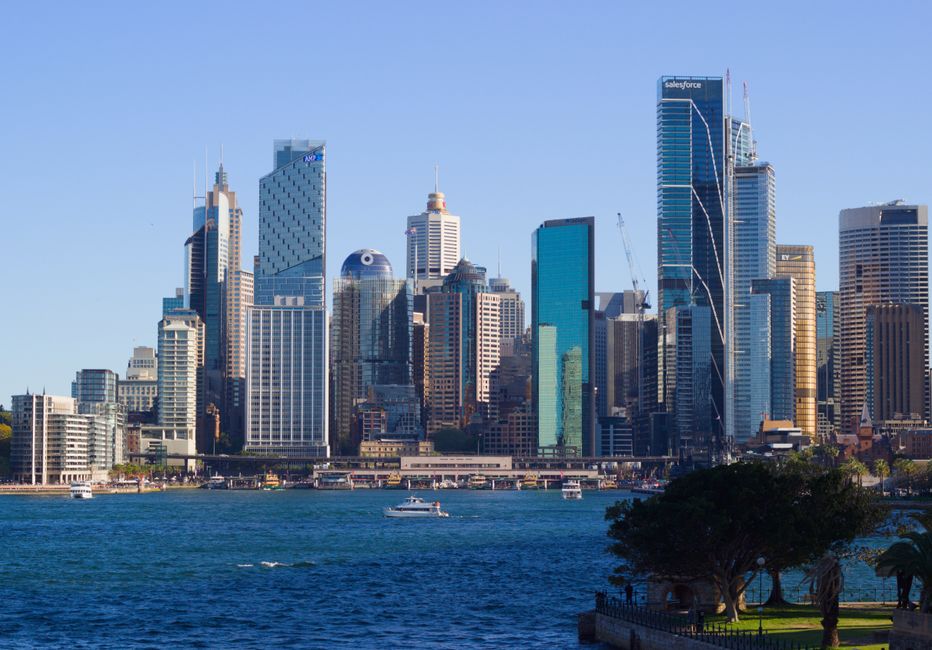
Darwin's innovation corridor—stretching from the revitalized Waterfront precinct through the Mitchell Street business quarter—is experiencing a pivotal moment as market dynamics reshape what success looks like for early-stage ventures.
The past 18 months have brought significant change. Co-working spaces across the city's tech hub, particularly around the Darwin Innovation Hub near Myilly Place, are reporting 12-15% higher rental rates compared to mid-2025, reflecting broader pressure on operational budgets. For bootstrapped founders and lean startups, this represents a meaningful shift in burn rate calculations.
"We're seeing founders make harder choices about whether to stay in premium office space versus distributed models," observes the ecosystem's trajectory. The rise of hybrid working arrangements—now standard rather than optional—has created unexpected opportunities for suburbs like Larrakeyah and Fannie Bay, where secondary innovation hubs are emerging with lower overhead and stronger community ties.
Talent acquisition remains the most pressing constraint. Darwin's professional services sector, traditionally centered on government and resource industries, continues to compete aggressively for technology specialists. Starting salaries for software engineers have climbed 18-22% since early 2025, putting pressure on startups without significant venture backing. Several promising local ventures have recently relocated key staff to Melbourne and Sydney, citing cost-of-living differentials and expanded talent pools.
However, government support mechanisms are evolving. The Northern Territory's expanded innovation tax incentives—now covering a broader range of early-stage businesses through 2027—are providing meaningful relief. Additionally, several venture capital firms with regional focus have increased Darwin allocation commitments, signaling confidence in the market despite current headwinds.
The real trend worth monitoring: specialization. Rather than competing as a generalist tech hub, Darwin's innovation district is increasingly doubling down on sectors aligned with regional strengths—aquaculture technology, renewable energy solutions, defense-adjacent cybersecurity, and Indigenous-led enterprises leveraging the territory's unique cultural assets.
For founders right now, the calculus is straightforward: generic hardware or software plays face intensifying pressure. Ventures that anchor themselves to genuine local advantage—whether through partnerships with established industries or addressing specific regional challenges—are securing investment and retaining talent more effectively than those chasing national trends.
The next 12-18 months will determine whether Darwin evolves as a niche, specialized innovation hub or struggles to maintain relevance in Australia's competitive startup landscape. The operators winning that contest are those currently making disciplined bets on their competitive edges.
This article was compiled by AI from the sources linked above and screened before publishing. See our editorial standards.
Your reaction
Spread the word
About this article
Published by The Daily Darwin
Daily brief
Free, in your inbox before 7am. Weekdays.
The Daily Network — local news across Australia