Darwin's Retail and Hospitality Sector Faces New Headwinds: What Operators Need to Know Now
Inflation pressures, shifting consumer behaviour, and rising labour costs are reshaping the market—but savvy businesses are finding opportunity in the chaos.
Inflation pressures, shifting consumer behaviour, and rising labour costs are reshaping the market—but savvy businesses are finding opportunity in the chaos.
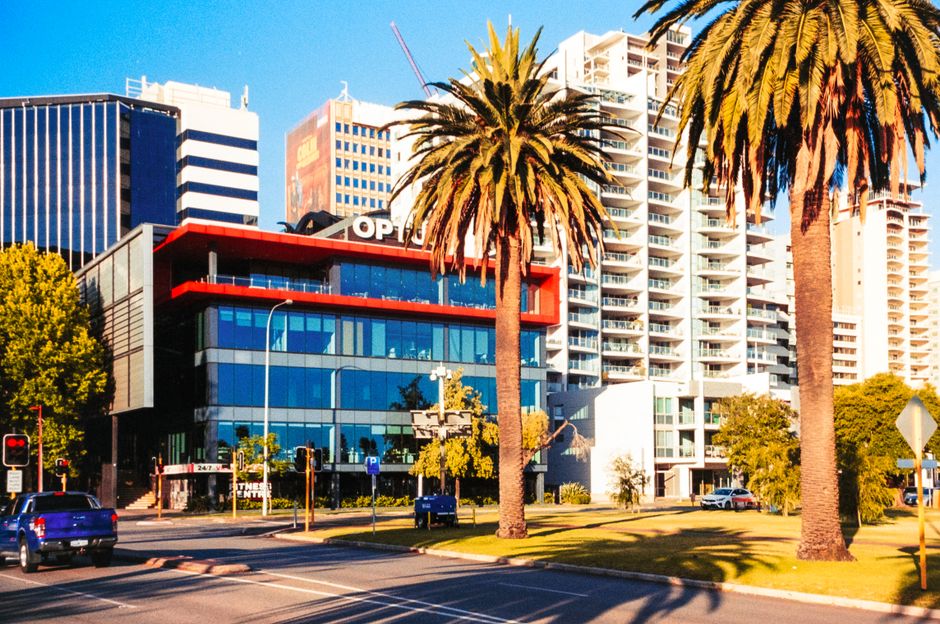
Darwin's retail and hospitality sectors are navigating a complex landscape in mid-2026, with operators along Mitchell Street and Smith Street reporting mounting pressures that demand strategic adaptation. The message from industry bodies and venue operators is clear: the old playbook no longer works.
Labour costs remain the primary concern. Award wage increases of 3.2% earlier this year have compounded staffing challenges for venues clustered around the Esplanade precinct and across the CBD. Cafés and restaurants report that kitchen staff and front-of-house positions remain difficult to fill, with several establishments reducing trading hours or temporarily closing on quieter nights. One prominent hospitality group noted that their wage bill now represents 32% of operating costs—up from 28% two years ago.
Consumer spending patterns have shifted markedly. While foot traffic in the CBD remains steady, discretionary spending on dining and non-essential retail has contracted. Data from the Darwin Chamber of Commerce suggests that average transaction values at independent retailers on Mitchell Street have declined 8% year-on-year, though frequency of visits remains relatively stable. Budget-conscious consumers are gravitating toward quick-service and takeaway options rather than sit-down dining experiences.
Supply chain volatility continues to plague food operators. Fresh produce pricing from regional suppliers fluctuates significantly, forcing many venues to adjust menus quarterly rather than seasonally. Imported goods have become costlier, with some hospitality operators reporting that their coffee and chocolate costs have risen 15% since January.
However, opportunities are emerging. The growing popularity of experiential dining—venues offering locally-sourced menus and integrated entertainment—has proven resilient. Several establishments near the Wharf Precinct have successfully differentiated themselves through this model. Similarly, retailers embracing omnichannel strategies and integrating online ordering with in-store pickup are capturing market share from traditional pure-play retailers.
Smaller operators are increasingly collaborating on bulk purchasing and shared logistics to manage costs. Several Smith Street businesses have formed informal buying consortiums, reducing per-unit costs for inventory while maintaining competitive independence.
The consensus among Darwin's business community is that adaptation—not resistance—defines success in 2026. Venues investing in staff training, flexible service models, and local supplier relationships appear best positioned to weather current conditions while positioning for growth when economic conditions stabilise.
This article was compiled by AI from the sources linked above and screened before publishing. See our editorial standards.
Your reaction
Spread the word
About this article
Published by The Daily Darwin
Daily brief
Free, in your inbox before 7am. Weekdays.
The Daily Network — local news across Australia