Darwin's Office Market Faces Perfect Storm of Headwinds as Landlords Grapple with Historic Vacancy Rates
Rising interest rates, hybrid work adoption, and oversupply are creating a landlord's nightmare in Australia's northern hub.
Rising interest rates, hybrid work adoption, and oversupply are creating a landlord's nightmare in Australia's northern hub.
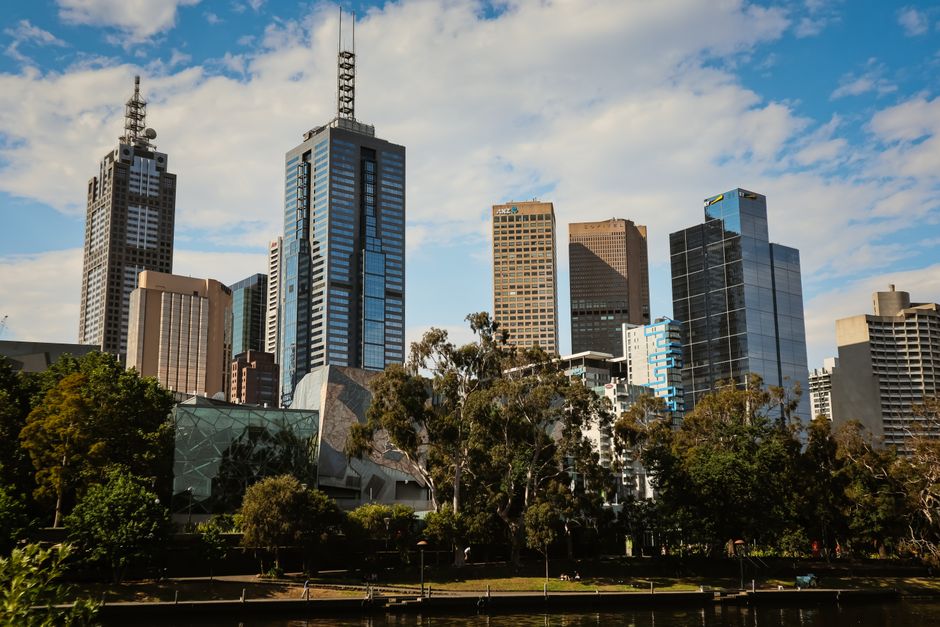
Darwin's commercial property sector is navigating treacherous waters as 2026 unfolds. The city's once-robust office market—buoyed by government expansion and resource sector optimism—now confronts a toxic combination of structural headwinds that are reshaping tenant demand and investor confidence across the CBD and emerging precincts like Mitchell Street and the Stuart Park business district.
Vacancy rates across premium office space in the CBD have climbed to 14.2 percent, according to latest commercial real estate assessments, a significant jump from the 8.7 percent recorded two years ago. This glut has compressed rental yields across A-grade and B-grade stock, with average asking rents on the Mitchell Street corridor now sitting at $285 per square metre annually—down nearly 12 percent since mid-2024.
The structural shift toward hybrid working arrangements has been brutal for traditional office landlords. Major tenants, including several government agencies and professional services firms headquartered near the Darwin Waterfront precinct, have consolidating footprints as remote work becomes embedded in corporate culture. One substantial lease renewal in the CBD earlier this year saw a tenant reduce their committed space by 30 percent, a pattern repeated across multiple properties.
Interest rate persistence compounds the challenge. Despite recent modest reductions, borrowing costs remain elevated, making debt servicing punishing for leveraged property owners. Capitalisation rates on Darwin commercial assets have widened to 6.8 percent, deterring the yield-hungry institutional investors who historically provided liquidity and stability to the sector.
Supply-side pressures linger. The completion of two mid-sized office towers in the Stuart Park precinct over the past 18 months has added approximately 28,000 square metres of net new stock at precisely the wrong moment in the cycle. Developers who greenlit these projects in 2022 optimism now face years of below-target occupancy and rental realisation.
Adding complexity, tenant quality has shifted. The resource and professional services sectors—once Darwin's anchoring demand drivers—have both tightened hiring and reduced real estate commitments. Meanwhile, emerging sectors like digital services and renewable energy administration, while growing, lease in smaller, more flexible configurations that don't absorb vacant stock efficiently.
Landlords are experimenting with creative solutions: extended rent-free periods, fit-out contributions, and flexible lease terms have become standard negotiating tools rather than exceptions. Yet these concessions further compress headline yields and erode the investment case for new capital.
Industry observers suggest the market needs 12-18 months of organic demand recovery to absorb current excess capacity. Until then, Darwin's commercial property owners face a grinding period of yield compression and refinancing pressure.
This article was compiled by AI from the sources linked above and screened before publishing. See our editorial standards.
Your reaction
Spread the word
About this article
Published by The Daily Darwin
Daily brief
Free, in your inbox before 7am. Weekdays.
The Daily Network — local news across Australia