Darwin's Hospitality Sector Shows Mixed Signals as Foreign Investment Cools, Local Operators Adapt
Economic headwinds and shifting capital flows are reshaping the food and hospitality landscape along Mitchell Street and beyond.
Economic headwinds and shifting capital flows are reshaping the food and hospitality landscape along Mitchell Street and beyond.
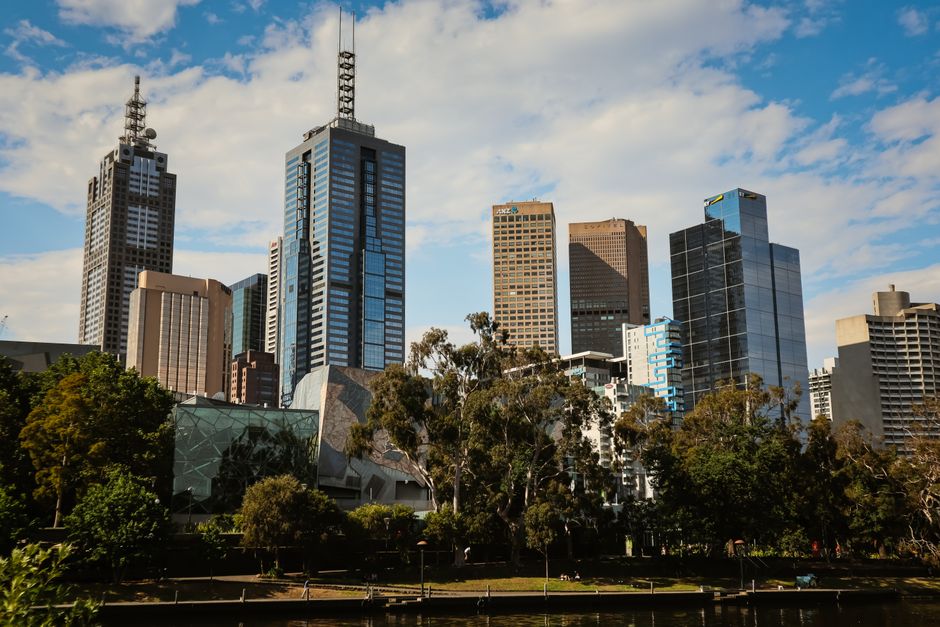
Darwin's hospitality and food sector is experiencing a critical inflection point. While foot traffic remains steady along Mitchell Street's dining precinct and the Waterfront area continues attracting investment, broader economic indicators suggest caution among major hospitality groups and international investors eyeing the Northern Territory.
Data from Darwin Business Improvement District shows venue occupancy rates holding at approximately 68% during peak hours—respectable by national standards but down from the 74% baseline recorded in early 2025. More tellingly, average spend per cover has contracted 3.4% year-on-year, according to hospitality consultancy reports tracking the region. This matters because it signals consumer restraint even as venues maintain customer flow.
The investment picture proves more volatile. Major hotel operators have paused expansion plans that seemed certain twelve months ago. One significant development near Cullen Bay—originally flagged for Q3 2026 commencement—has been quietly repositioned to Q1 2027, suggesting financiers are reassessing risk exposure in the hospitality sector amid broader economic uncertainty worldwide.
However, local entrepreneurs are capitalising on this moment. Independent operators on Cavenagh Street and across Larrakeyah have reported success with lean, flexible models. Pop-up venues, ghost kitchens servicing delivery platforms, and experiential dining concepts requiring lower capital investment are proliferating. This democratisation of entry reflects rational economic behaviour: when institutional capital retreats, nimble operators with lower leverage thrive.
Restaurant and Caterers Association NT data reveals an interesting divergence. Venues with strong local supply chain relationships—sourcing from Northern Territory producers rather than southern distributors—report better margin resilience. This aligns with international trends showing supply chain diversification now commands investor attention.
Labour costs remain Darwin's structural challenge. Award wages in the hospitality sector track national increases, yet the local labour market remains tight. Several established venues have introduced automation in back-of-house operations, reflecting pragmatic responses to wage-cost pressure that likely persist regardless of broader economic cycles.
The takeaway for investors and operators: Darwin's hospitality economy is not in crisis, but it is rebalancing. Foreign capital is discriminating more carefully. Local operators with efficient models and strong community anchoring are winning market share. Those dependent on high-volume, low-margin tourism models face persistent headwinds. As global capital flows respond to geopolitical and macroeconomic shifts, Darwin's food and hospitality future belongs increasingly to entrepreneurs who understand local advantages rather than those betting on external investor appetite.
This article was compiled by AI from the sources linked above and screened before publishing. See our editorial standards.
Your reaction
Spread the word
About this article
Published by The Daily Darwin
Daily brief
Free, in your inbox before 7am. Weekdays.
The Daily Network — local news across Australia