Darwin's Retail and Hospitality Sector Faces Perfect Storm of Rising Costs and Shifting Consumer Habits
Labour shortages, energy bills, and changing post-pandemic spending patterns are forcing venues across the city to rethink their business models.
Labour shortages, energy bills, and changing post-pandemic spending patterns are forcing venues across the city to rethink their business models.
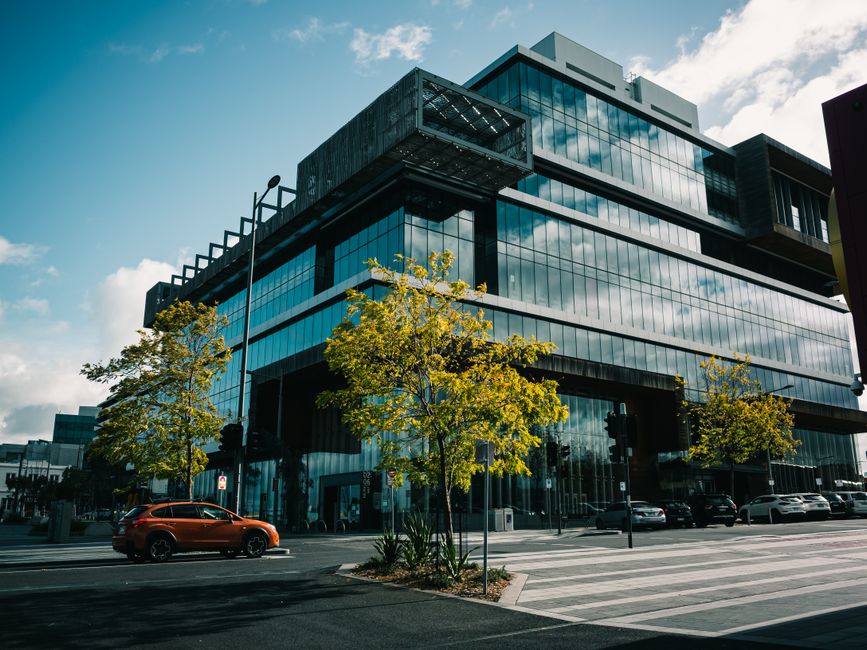
The colourful laneway bars and boutique retailers that define Darwin's Mitchell Street precinct are confronting a challenging 2026, as operators across hospitality and retail grapple with a confluence of pressures that threaten margins and viability.
Energy costs remain the sector's most visible headwind. Northern Territory retailers report power bills have climbed roughly 18% year-on-year, with some hospitality venues on the Stuart Highway reporting summer cooling bills exceeding $45,000 monthly. For smaller operators running establishments along Cavenagh Street or in the Palmerston retail parks, such increases consume profit margins that have already been squeezed by wage pressures and supply chain volatility stemming from the region's isolation.
Labour availability compounds these challenges. Darwin's tight employment market—with the unemployment rate hovering below 3%—means hospitality venues struggle to secure kitchen staff and service workers without offering salaries that eat into bottom lines. Industry representatives suggest wage bills have risen 12-15% since early 2025, forcing difficult decisions around service hours and staffing models across the city's dining and retail landscape.
Perhaps more structurally troubling, consumer behaviour has shifted. Post-pandemic spending patterns that initially benefited Darwin's tourism-dependent hospitality sector have normalised, even as discretionary spending slows. Peak hour foot traffic through Darwin CBD has plateaued, while online shopping continues siphoning retail revenue that once concentrated in physical venues. Independent retailers in the Darwin Plaza and along Smith Street report comparable sales growth stalling for the first time in three years.
Supply chain costs—particularly for food businesses reliant on freight from southern capitals—remain elevated. Fresh produce importation to the Northern Territory continues to reflect legacy inflation from pandemic-era logistics disruption, a reality that pressures restaurant pricing in a competitive market.
Not all segments suffer equally. Tourism-facing hospitality along the waterfront and specialist food retailers offering unique local products report resilience. But mainstream retail chains and mid-market dining venues face the sharpest headwinds, with some operators quietly exploring reduced footprints or consolidation strategies.
Industry bodies representing Darwin's retailers and hospitality operators acknowledge that normalisation, not crisis, defines the current moment—but normalisation itself represents a material step down from the buoyant conditions of recent years. Strategic venue closures and workforce consolidation appear likely before conditions stabilise, industry insiders suggest.
This article was compiled by AI from the sources linked above and screened before publishing. See our editorial standards.
Your reaction
Spread the word
About this article
Published by The Daily Darwin
Daily brief
Free, in your inbox before 7am. Weekdays.
The Daily Network — local news across Australia