Darwin's free port ambition: what the trade hub vision means for business
The federal government's Darwin free port proposal could transform northern Australia trade.
The federal government's Darwin free port proposal could transform northern Australia trade.
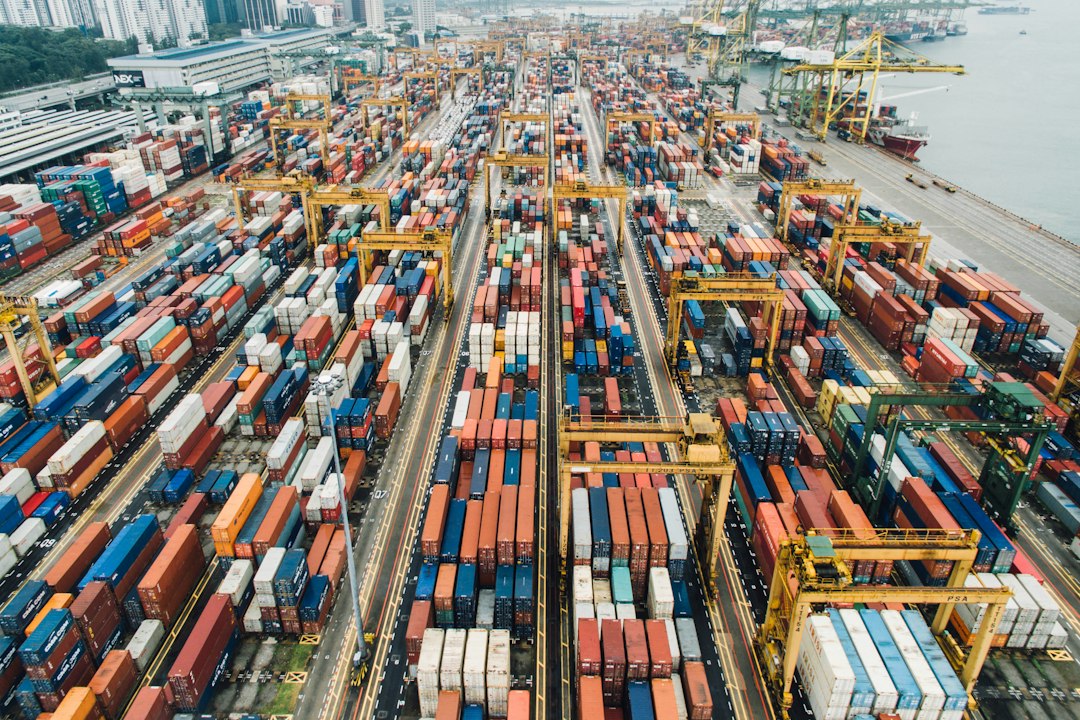
The proposal to establish Darwin as a free trade port — a concept that has gained federal policy attention as Australia seeks to strengthen its economic engagement with Southeast Asia and position northern Australia as a strategic trade gateway — would, if implemented, create commercial opportunities of a transformative scale for Darwin businesses, the Northern Territory economy, and the broader northern Australia trade ecosystem. Understanding the concept, its status, and the commercial implications helps Darwin businesses assess whether and how to position for the opportunity.
A free port — or special economic zone with reduced tariff, customs, and regulatory requirements for goods in transit or processed within the zone — would allow Darwin to compete with Singapore, Port Klang, and other Southeast Asian logistics hubs for the transit and value-adding trade flows between Asia and Australia that currently bypass Darwin entirely. The proposition is that Darwin's geography — closer to Singapore and Jakarta than to Sydney — combined with the infrastructure investment in the Darwin port, and a regulatory environment that removes the friction of Australian customs and tariff requirements for transitioning goods, would attract trade flows and associated manufacturing, logistics, and value-adding activities that the existing regulatory environment makes economically unviable in Darwin.
The feasibility of a Darwin free port depends on factors beyond the regulatory change itself: the physical infrastructure to handle significantly increased container and bulk cargo volumes, the skilled workforce to operate a competitive logistics hub, the energy supply to support industrial activity at the scale that a free port would generate, and the relationships with the Asian trading partners whose route decisions determine whether Darwin can attract the trade diversion from established Asian hub ports that the concept requires.
Darwin businesses in logistics, warehousing, port services, trade finance, and the professional services that support international trade are the most immediate beneficiaries if the free port concept advances. Businesses that invest in understanding international trade logistics, building relationships with Asian trading counterparties, and developing the compliance expertise that international trade requires are positioning ahead of a potential transformation of Darwin's commercial scale that the free port concept represents.
This article was compiled by AI from the sources linked above and screened before publishing. See our editorial standards.
Your reaction
Spread the word
About this article
Published by The Daily Darwin
Daily brief
Free, in your inbox before 7am. Weekdays.
The Daily Network — local news across Australia