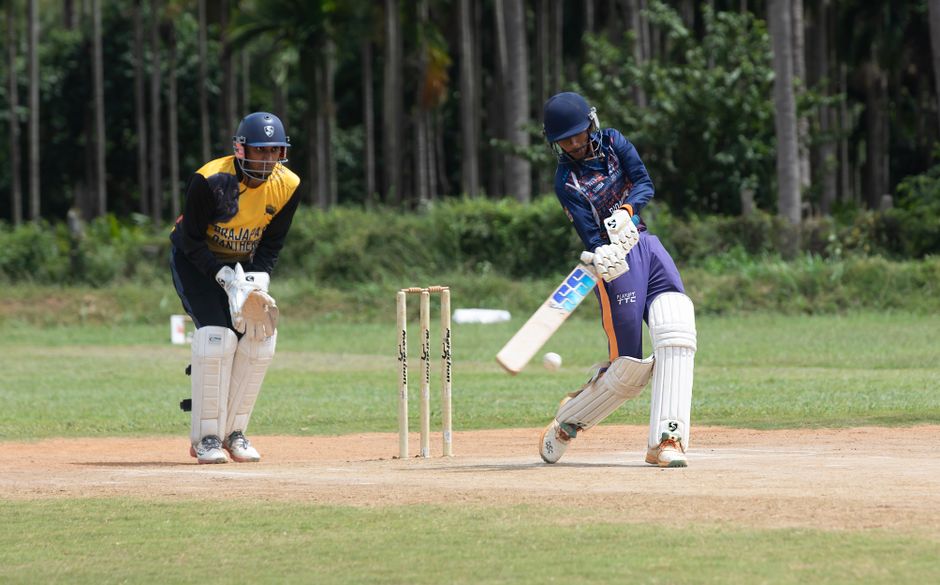
Cricket in Darwin: Clubs, the Dry Season Competition and How to Get Into the Game
Darwin cricket runs through the dry season when the weather is perfect for the game. Here is where the competition happens, which clubs to join and what makes Top End cricket genuinely distinct.
Darwin cricket has a rhythm all its own. The season runs from October through March, overlapping with the lead-up to and early stages of the wet season, which means afternoon thunderstorms are a genuine strategic variable. Matches at Marrara Oval and the suburban grounds are regularly paused for downpours that pass in 20 minutes and leave the outfield steaming in the afternoon sun. Locals take this in stride. Visitors from southern Australia find it extraordinary.
The Darwin Cricket Association administers the local competition, which has been running in recognisable form since the 1950s. The top-grade competition features clubs that represent the city's various suburbs and districts: Palmerston, Tracy Village, Southern Districts, Waratah and others that have come and gone with the city's development. The standard of play is stronger than Darwin's modest population would suggest, partly because the year-round warm climate allows cricketers to train outdoors all year and partly because interstate and international players regularly move to Darwin for work and bring their cricket with them.
Marrara Oval is Darwin's main cricket venue, hosting both local competition matches and the occasional interstate fixture or touring match. The ground has a relaxed atmosphere unique to Top End cricket: supporters in camp chairs under shade shelters, cold cans from the club bar, and the regular appearance of kites circling overhead waiting for a dropped pie or an unattended snag. Watching a day-night match at Marrara as the sun sets over the escarpment and the lights come on is one of Darwin's better sporting experiences.
For those looking to play, the Darwin Cricket Association website lists affiliated clubs and their contact details for new-player enquiries. Most clubs run junior development programs aligned with Cricket Australia's entry-level formats, and senior teams across all grades welcome new members from October when the season begins. The association also runs women's competitions that have grown significantly in recent years, reflecting the national growth of women's cricket following the Australian women's team's international success.
School cricket is a strong development pathway in the Northern Territory, with the NT Cricket body running inter-school competitions from primary through to secondary level. A number of Darwin players have progressed through school cricket to represent the Northern Territory in interstate competitions, and the pathway from Darwin club cricket to NT representative cricket is clearer and shorter than in the more crowded southern state competitions.