From Tin Sheds to State-of-the-Art: How Darwin's Performing Arts Scene Evolved Into a Cultural Powerhouse
A city born from the ruins of WWII bombing has transformed its theatrical heritage into one of Australia's most dynamic cultural precincts.
A city born from the ruins of WWII bombing has transformed its theatrical heritage into one of Australia's most dynamic cultural precincts.
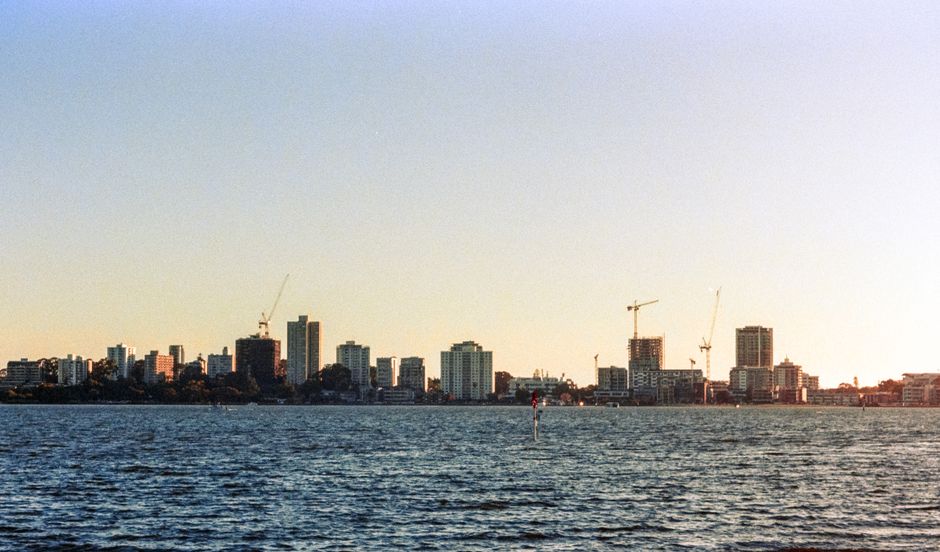
When the Japanese bombed Darwin on February 19, 1942, they destroyed more than buildings—they erased the city's nascent cultural infrastructure. Yet from that devastation emerged a spirit of creative resilience that would, over eight decades, transform this northern outpost into a thriving hub for theatre and performing arts.
The post-war recovery saw ad-hoc performances in community halls and converted warehouses along Cavenagh Street. By the 1970s, as Darwin rebuilt itself with renewed vigor, small theatre collectives began experimenting in the heritage precinct near the old railway station. These makeshift venues—many housed in corrugated iron structures that gave the era its romantic mythology—cultivated an experimental spirit that defined the local scene's DNA.
The 1990s marked a turning point. The opening of the Darwin Entertainment Centre in 1997 signalled the city's commitment to world-class facilities. Yet the real catalyst came with the development of the Civic precinct, where the refurbished Civic Centre became the anchor institution, hosting everything from classical ballet to contemporary dance companies touring from Melbourne and Sydney.
Today, Darwin's performing arts landscape reflects its unique position as Australia's gateway to Asia and the Pacific. The Darwin Theatre Company, based on Mitchell Street, operates with an annual budget of approximately $2.8 million, producing four to five productions yearly. Ticket prices typically range from $35 to $65 for mainstage productions—significantly more affordable than southern capitals.
Independent venues have proliferated. The Raintree Theatre, tucked into the Mitchell Street cultural corridor, remains intimate and experimental, hosting fringe festivals that attract emerging artists from across the region. The Garrick Theatre, restored to its 1920s Art Deco glory, functions as both museum piece and working venue, hosting approximately 40 performances annually.
What distinguishes Darwin's evolution is its multicultural inflection. The city's substantial Indonesian, Chinese, and East Timorese communities have enriched the programming landscape, with venues regularly featuring Asian theatre traditions and hybrid works reflecting the city's demographics. The Multicultural Festival, held each August, has become the performing arts calendar's flagship event, drawing over 100,000 attendees.
From tin sheds to contemporary performance spaces, Darwin's theatre scene embodies the city's own journey—born from crisis, shaped by isolation, and ultimately defined by an stubborn refusal to be merely peripheral. Today, that history matters less than the future it's building: a performing arts ecosystem that punches above its 150,000-person weight.
This article was compiled by AI from the sources linked above and screened before publishing. See our editorial standards.
Your reaction
Spread the word
About this article
Published by The Daily Darwin
Daily brief
Free, in your inbox before 7am. Weekdays.
The Daily Network — local news across Australia