Darwin's Festival Circuit Is Redefining What It Means to Be Creative in Australia's Top End
From Mindil Beach Markets to the Darwin Festival, a packed cultural calendar is reshaping the city's identity beyond its frontier mythology.
From Mindil Beach Markets to the Darwin Festival, a packed cultural calendar is reshaping the city's identity beyond its frontier mythology.
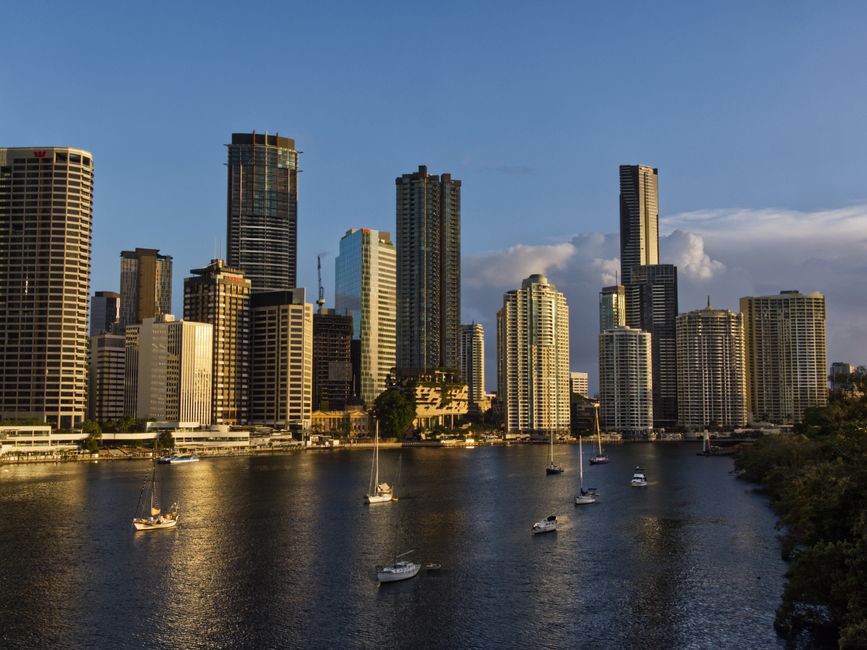
Walk through the Mitchell Street precinct on any given week in late 2026, and you'll encounter the unmistakable energy of a city in creative flux. Darwin's festival calendar—once modest and seasonal—has evolved into a year-round assertion of cultural ambition that's fundamentally reshaping how the city sees itself and how the world perceives it.
The numbers tell a compelling story. The Darwin Festival, now in its third consecutive year of record attendance, drew over 45,000 visitors across its September program last year. The Mindil Beach Markets, operating twice weekly during the dry season, now attract approximately 8,000 visitors per session, generating an estimated $12 million annually for local creative practitioners and small business operators. These aren't peripheral cultural events—they're the economic and social spine of contemporary Darwin.
What's particularly striking is how these festivals have become platforms for a specific creative identity: one that embraces Indigenous Australian perspectives, Asian-Pacific dialogue, and experimental contemporary art in equal measure. The inaugural Darwin International Film Festival, launching this August, was explicitly designed to position the city as a bridge between Australian and Southeast Asian cinema industries. That positioning—geographic, cultural, economic—signals a departure from Darwin's historical role as a resource extraction hub toward something more intellectually ambitious.
The Monsoon Festival, held each October across venues from the Darwin Entertainment Centre to smaller galleries in Fannie Bay, has become the city's unofficial creative referendum. This year's program, announced in May, features 127 ticketed events across theatre, visual art, music, and spoken word. Local arts organizations report that Monsoon's existence has directly influenced funding decisions and artist migration patterns, with emerging performers now factoring Darwin into national touring circuits they previously bypassed.
Street-level cultural activity reinforces this identity shift. Laneway public art projects in the CBD, managed through partnerships between the Darwin City Council and independent galleries, have transformed underused passages behind Smith Street into informal exhibition spaces. The investment is modest—around $340,000 annually—but the symbolic value is substantial. These aren't imported cultural interventions; they're locally determined expressions of creativity.
What emerges from this ecosystem is a Darwin that's consciously constructing a post-industrial cultural narrative. The festivals aren't nostalgic celebrations of outback mythology; they're deliberate statements about artistic ambition, community participation, and economic diversification. For a city that spent decades defined by cyclones, military significance, and mining interests, the festival circuit offers something rarer: cultural self-determination.
This article was compiled by AI from the sources linked above and screened before publishing. See our editorial standards.
Your reaction
Spread the word
About this article
Published by The Daily Darwin
Daily brief
Free, in your inbox before 7am. Weekdays.
The Daily Network — local news across Australia