Navigate Darwin's Gallery Scene: What Visitors Need to Know and Where to Go
From Indigenous art to contemporary installations, Darwin's cultural institutions offer world-class experiences—here's your essential guide to the must-see highlights.
From Indigenous art to contemporary installations, Darwin's cultural institutions offer world-class experiences—here's your essential guide to the must-see highlights.
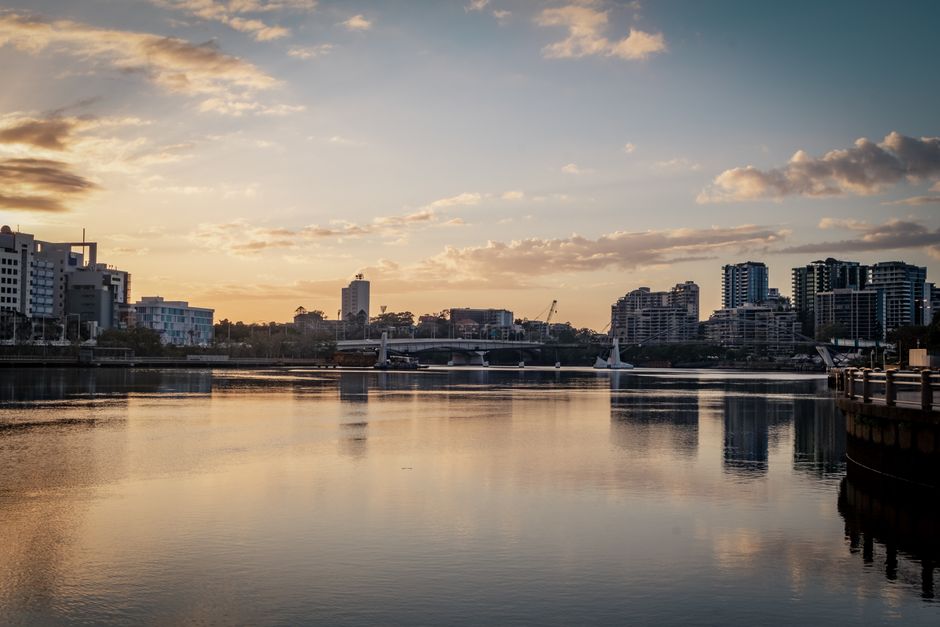
Darwin's arts and culture precinct has undergone significant expansion over the past three years, establishing the city as a serious destination for galleries and museums. Whether you're planning a weekend visit or a longer stay, understanding the landscape helps maximize your experience of this dynamic tropical hub.
The Museum and Art Gallery of the Northern Territory (MAGNT), anchoring Conacher Street in the city centre, remains the cornerstone institution. Its rotating exhibitions showcase both international touring shows and works from the gallery's 5,000-plus pieces. Entry costs $18 for adults, with free admission to permanent collections featuring exceptional Indigenous Australian art. The gallery's Cyclone Tracy Memorial collection provides poignant historical context for Darwin's 1974 disaster recovery.
For contemporary work, Artback NT operates multiple venues across the city, including its flagship space on Mitchell Street. The organization has been instrumental in fostering Darwin's emerging artist community, with galleries typically open Tuesday to Saturday. Many smaller independent galleries cluster around the waterfront precinct near Mindil Beach, where evening markets (Thursday to Sunday during dry season) blend visual arts with live performance.
Indigenous art deserves dedicated attention. The Northern Australian Aboriginal Art gallery, located on Smith Street Mall, represents artists from across the Top End and Kimberley regions. Prices range significantly—from $200 prints to major works exceeding $10,000—but staff provide genuine cultural context rather than mere retail experience. Friday evening artist talks, held monthly, offer direct engagement with creators.
Practical considerations: Darwin's wet and dry seasons significantly impact visitor patterns. The dry season (May-October) sees peak gallery traffic and extended hours. Plan visits during morning hours or late afternoon to avoid midday heat. Most major venues cluster within the CBD's two-kilometre radius, making walking feasible with appropriate precautions.
Pricing is competitive with Australian capitals—expect $15-20 general admission, with concessions for students and seniors. Several galleries offer combined passes. The Northern Territory government's Arts NT website provides current exhibition schedules and venue details.
The scene reflects Darwin's unique cultural position: a gateway between Asia and Australia, with Indigenous perspectives central rather than peripheral. Recent initiatives have increased visibility of First Nations curators and programmers. This authenticity, combined with accessibility and tropical setting, distinguishes Darwin's offering from southern capitals. Even seasoned gallery visitors typically discover something unexpected here.
This article was compiled by AI from the sources linked above and screened before publishing. See our editorial standards.
Your reaction
Spread the word
About this article
Published by The Daily Darwin
Daily brief
Free, in your inbox before 7am. Weekdays.
The Daily Network — local news across Australia