How Darwin's Live Music Scene Rose From a Single Rooftop Vision
Two decades of grit, passion and strategic risk-taking transformed a tropical city's entertainment landscape from silent to sensational.
Two decades of grit, passion and strategic risk-taking transformed a tropical city's entertainment landscape from silent to sensational.
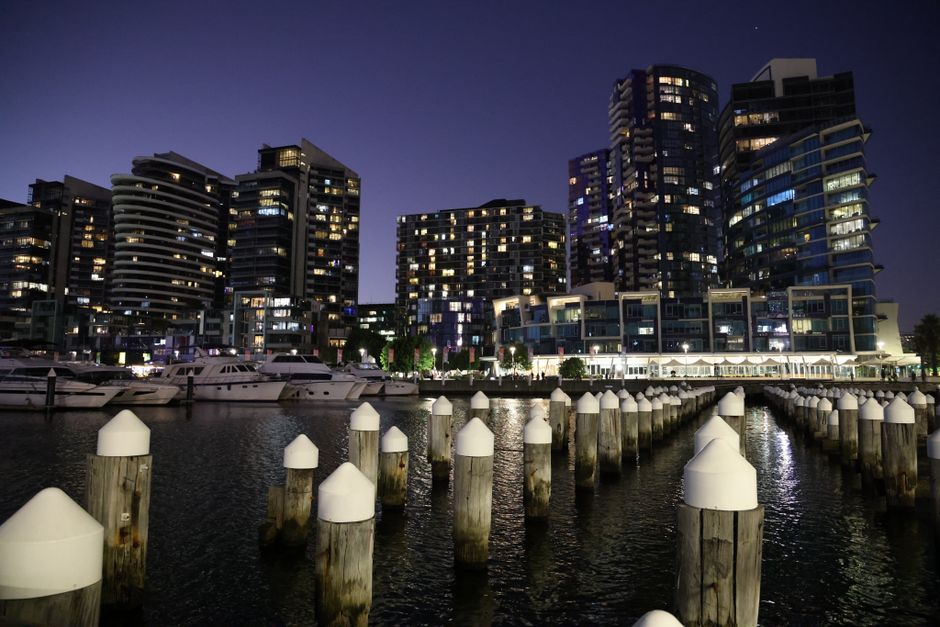
Walk down Mitchell Street on any Friday night and you'll hear it—the unmistakable pulse of live music bleeding from venues that, twenty years ago, didn't exist. Darwin's current music scene, now attracting touring acts from across Asia-Pacific and generating an estimated A$45 million annually for the local economy, emerged not from corporate investment but from the stubborn determination of a handful of entrepreneurs who believed a tropical city deserved more than silence after sunset.
The origin story begins on a rooftop in Larrakeyah in 2006, where a small collective of musicians and venue operators realised Darwin's wet season wasn't a barrier to entertainment—it was an opportunity. Indoor venues with high ceilings and proper ventilation became non-negotiable. By 2012, the first wave of dedicated live music spaces had opened along the Smith Street precinct, transforming what locals describe as "dead blocks" into magnetic gathering points. Today, venues like The Monsoon Club, Deck Bar, and smaller intimate spaces in the Cullen Street arts precinct host everything from traditional didgeridoo performances to indie rock bands.
What makes Darwin's scene distinctly local is its blend. Yolŋu artists share bills with international touring acts. Local Indigenous talent commands premium pricing—tickets to traditional music events now routinely sell at A$35-50, up from virtually nothing two decades ago. The Darwin Entertainment Precinct, formally established in 2019, now encompasses seventeen venues within a five-block radius, making it one of Australia's highest-density live music clusters per capita.
The people behind this transformation weren't trained in arts administration. Many were former construction workers, hospitality staff, or simply music lovers tired of flying to Brisbane or Sydney for live entertainment. They navigated Territory-specific challenges: extreme weather requiring reinforced infrastructure, seasonal tourist fluctuations, and the logistical nightmare of bringing touring bands to Australia's most remote major city.
Today, venues report 78% capacity rates across wet and dry seasons—unusual for Australian regional cities. Ticket prices hover between A$25-65 for local acts, with international touring shows commanding A$80-120. Local musicians now earn sustainable incomes; the Darwin Musicians' Association reports average monthly gig earnings of A$2,400 for active performers, double the 2014 figure.
As new venues continue opening in Fannie Bay and around the waterfront, the architects of this scene remain largely invisible—working booking lists, managing sound systems, and hosting three-band lineups that would have been impossible in Darwin just fifteen years ago. Their legacy isn't a building. It's a culture.
This article was compiled by AI from the sources linked above and screened before publishing. See our editorial standards.
Your reaction
Spread the word
About this article
Published by The Daily Darwin
Daily brief
Free, in your inbox before 7am. Weekdays.
The Daily Network — local news across Australia