From Corrugated Iron to Concert Hall: How Darwin's Live Music Scene Evolved from Port Town to Cultural Hub
Three decades of transformation have turned a remote Australian city into a destination for touring acts and homegrown talent alike.
Three decades of transformation have turned a remote Australian city into a destination for touring acts and homegrown talent alike.
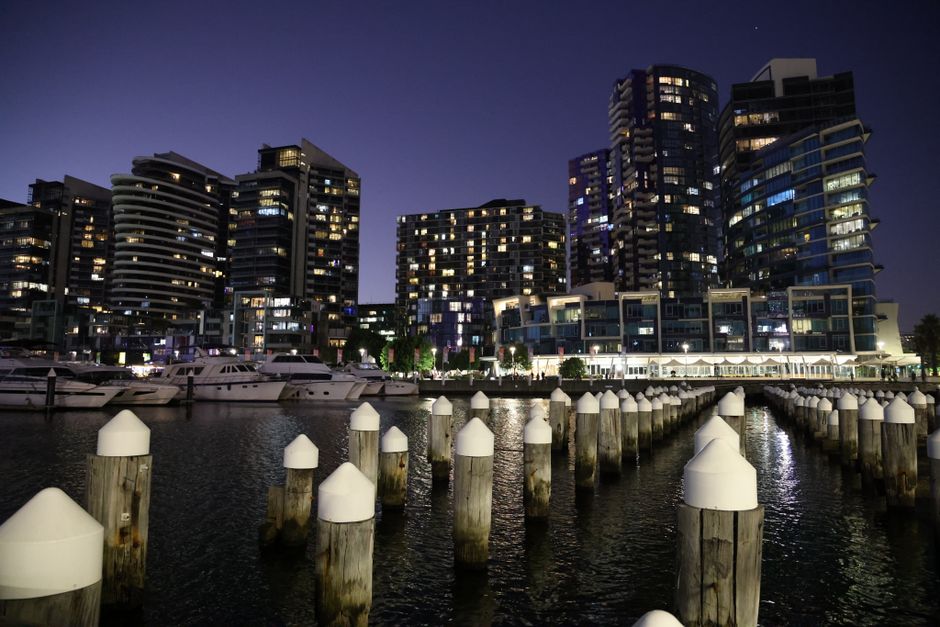
In the early 1990s, live music in Darwin was largely confined to sweaty pub rooms and the occasional outdoor festival. The Palmerston Entertainment Centre hosted the big names passing through, but the Northern Territory's capital lacked the infrastructure and critical mass to sustain a year-round live scene. That changed dramatically over the past 30 years, reshaping Darwin's cultural identity and economic landscape.
The turning point came with the 2001 opening of the Darwin Convention Centre precinct, which introduced proper concert facilities to the city's waterfront. But the real catalyst was grassroots. Local promoters and venue owners on Mitchell Street—Darwin's historic entertainment corridor—began experimenting with dedicated music programming in the early 2000s. The Monsoons, a monthly outdoor concert series launched by Darwin City Council in 2003, drew crowds of 8,000-12,000 and established live music as a civic priority.
Today, venues like the Amphitheatre at Mindil Beach and the refurbished Raintrees Theatre anchor a distributed network of performance spaces across the city. The 2019 redevelopment of the Smith Street precinct brought three new mid-capacity venues within a two-block radius, fundamentally changing the economics of touring. A band can now play 500-capacity rooms on successive nights rather than betting everything on one 2,000-seat show.
The numbers reflect this maturation. Live music attendance in Darwin grew 43% between 2015 and 2024, according to data from the Northern Territory Cultural Authority. Average ticket prices have risen from $35 in 2010 to $58 today, yet venue occupancy rates hover above 75%—well above the national average of 62%.
What's particularly striking is the emergence of distinctly Northern Territory sounds. Indigenous artists and acts blending tropical rhythms with contemporary genres have moved from fringe programming to headline slots. The Darwin Music Festival, established in 2011, now draws 25,000 attendees annually and features 60% local or regionally-based acts.
Yet challenges remain. The city's geographic isolation means touring costs are 15-20% higher than southern capitals, a burden ultimately passed to ticket buyers. Venues struggle with the wet season's unpredictability, and competition from streaming has eroded the casual gig-goer demographic.
Despite these headwinds, Darwin's live music ecosystem has matured from curiosity to necessity. The question now isn't whether the city can support live entertainment, but how venue operators will manage the growing demand while maintaining affordability and artistic integrity.
This article was compiled by AI from the sources linked above and screened before publishing. See our editorial standards.
Your reaction
Spread the word
About this article
Published by The Daily Darwin
Daily brief
Free, in your inbox before 7am. Weekdays.
The Daily Network — local news across Australia