Darwin's Cultural Renaissance: How a Frontier Town Built One of Australia's Most Dynamic Creative Scenes
From wartime bunkers to world-class galleries, Darwin's attractions tell the story of a city that transformed adversity into artistic ambition.
From wartime bunkers to world-class galleries, Darwin's attractions tell the story of a city that transformed adversity into artistic ambition.
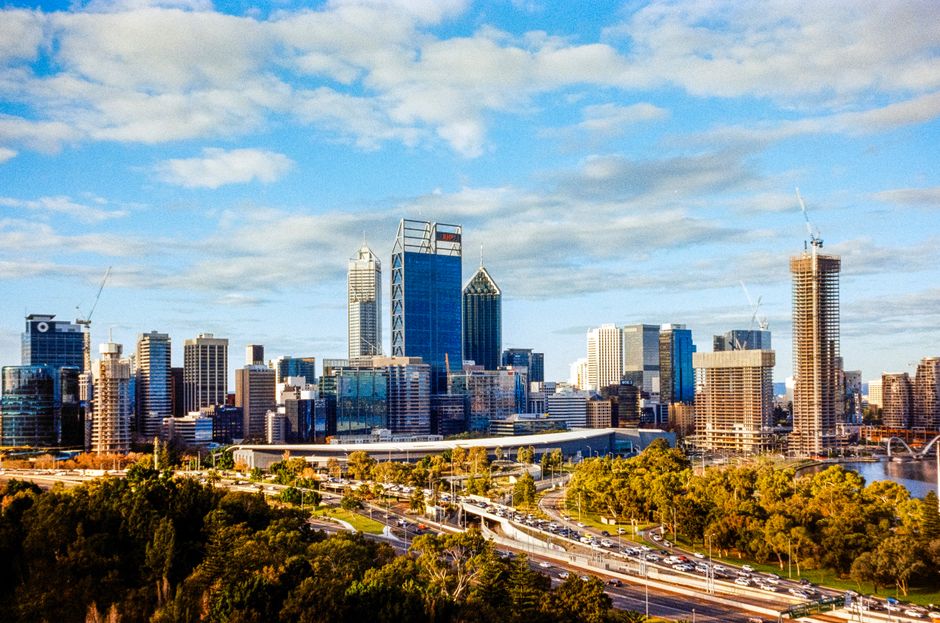
Darwin's cultural landscape has undergone a remarkable metamorphosis over the past two decades. What once was a city defined primarily by its strategic military importance and tropical isolation has evolved into a vibrant creative hub that draws artists, musicians, and cultural enthusiasts from across Australia and beyond.
The transformation is nowhere more evident than along Mitchell Street, the city's pulsing cultural artery. Once dominated by servicemen's bars, the precinct now hosts independent galleries, performance spaces, and venues that reflect Darwin's multicultural character. The Museum and Art Gallery of the Northern Territory (MAGNT), located near Fannie Bay, remains the cornerstone of this evolution, housing an extensive collection of Indigenous art and contemporary works that contextualise Darwin's position as a gateway to Asia.
Historical attractions underscore the narrative of resilience that defines local identity. The Darwin Military Museum and the preserved WWII oil storage tunnels beneath the city centre offer visceral connections to Darwin's role in Australia's defence. Yet these sites have been reimagined not as relics but as spaces for reflection and understanding—a pattern repeated across the city's evolution.
The Mindil Beach Sunset Markets, established in the 1980s and running Thursday and Sunday evenings during dry season (May to October), exemplify Darwin's ability to blend cultural programming with accessibility. The markets attract 10,000-plus visitors weekly, generating an estimated $2.5 million annually for local vendors while establishing Darwin's reputation for multicultural food and craft experiences.
East Point Reserve, stretching across 64 hectares, offers both recreational and cultural programming. Beyond its natural amphitheatre and waterfront walks, the precinct hosts the Indo-Pacific War Memorial and rotating public art installations that engage with Darwin's geopolitical complexity.
The growth of smaller independent venues—including artist collectives in the Parap precinct and performance spaces in West Point—reflects a younger generation invested in building creative infrastructure. The Darwin Festival, now in its fourth decade, remains the city's flagship cultural event, though its evolution increasingly emphasises Indigenous voices and Asian-Australian perspectives.
What distinguishes Darwin's cultural scene is its refusal to become nostalgic. Yes, the city trades on its wartime history and tropical mystique. But galleries, venues, and cultural organisations treat these narratives as starting points rather than endpoints. The result is a destination where history isn't merely preserved—it's actively interrogated, reimagined, and built upon by a community determined to write the next chapter of its story.
This article was compiled by AI from the sources linked above and screened before publishing. See our editorial standards.
Your reaction
Spread the word
About this article
Published by The Daily Darwin
Daily brief
Free, in your inbox before 7am. Weekdays.
The Daily Network — local news across Australia