Darwin's Art Scene Decoded: Your Complete Guide to the Best Gallery and Museum Experiences Right Now
From cutting-edge contemporary spaces to Indigenous heritage institutions, here's where Darwin's cultural institutions are taking visitors in 2026.
From cutting-edge contemporary spaces to Indigenous heritage institutions, here's where Darwin's cultural institutions are taking visitors in 2026.
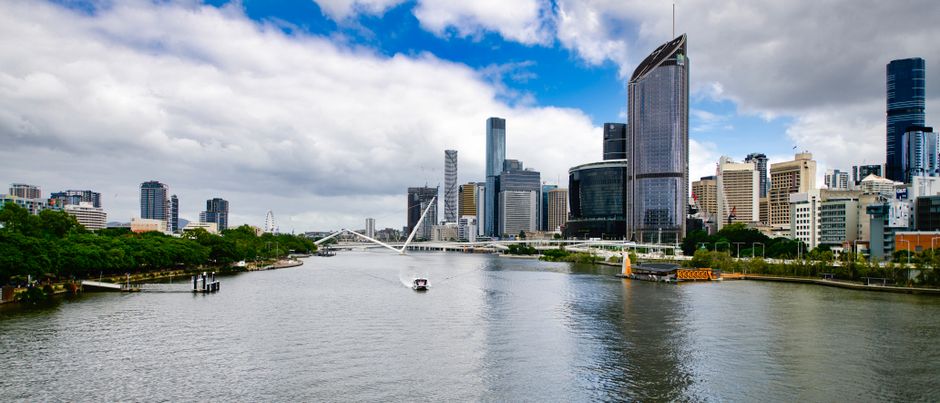
Darwin's arts landscape has undergone a quiet renaissance. As the city consolidates its position as Australia's cultural gateway to Asia-Pacific, both established institutions and emerging galleries are crafting experiences that reflect the region's unique identity—one where Indigenous Australian art, Asian contemporary practice, and frontier creativity collide.
The Museum and Art Gallery of the Northern Territory (MAGNT) remains essential viewing. Located on Conacher Street with sweeping views across the harbour, the gallery's expanded Asian contemporary wing now occupies 40% of exhibition space, featuring rotating selections from across Southeast Asia. Entry remains $18 for adults, with free access to the permanent collections. The Territory's natural history galleries—particularly the saltwater crocodile displays and meteorite collection—draw school groups and curious travellers alike. Allow three hours minimum.
For Indigenous art, the shift has been marked. Mbantua Fine Art and Design, positioned in the heart of Mindil Beach precinct, specializes in remote community works, with pieces ranging from $800 to $45,000. The gallery hosts artist talks quarterly. Meanwhile, Artback NT, operating from premises on Mitchell Street, bridges emerging and established Indigenous practitioners through their studio program, offering visitors rare glimpses into active creation spaces on Friday afternoons (by appointment).
Contemporary Darwin isn't confined to heritage buildings. The Northern Centre for Contemporary Art, a converted warehouse space near the waterfront, has become essential for experimental work—installation, video, performance. Exhibition cycles run eight weeks; current programming emphasizes climate and displacement narratives. Entry is by donation.
Lesser-known gems reward exploration. The Performing Arts Centre's gallery foyer frequently rotates Darwin-based sculptors and photographers. Twenty Palms Gallery, tucked on Stuart Highway's outer reaches, showcases photographic work documenting Top End landscapes and Aboriginal communities, with a strong education program. The George Brown Darwin Botanic Gardens incorporate outdoor sculpture installations seasonally—currently featuring five large-scale works by regional artists.
Timing matters. The Darwin Festival (August) brings coordinated programming across venues. The dry season (May-October) sees increased touring exhibitions; wet season (November-April) programming contracts slightly, though air conditioning means galleries remain comfortable refuges.
Practical note: most institutions cluster within the CBD or immediate waterfront precincts. A leisurely gallery day—MAGNT, then lunch at Mindil, then Mbantua or contemporary spaces—consumes four to five hours. Parking remains abundant and free across most central locations. Several galleries offer combined passes (typically $35) covering entry to three major spaces.
Darwin's art institutions increasingly position themselves as dialogue spaces rather than repositories—reflecting a city where cultural conversation happens in real time, shaped by geography, neighbours, and unresolved questions about land, identity and future.
This article was compiled by AI from the sources linked above and screened before publishing. See our editorial standards.
Your reaction
Spread the word
About this article
Published by The Daily Darwin
Daily brief
Free, in your inbox before 7am. Weekdays.
The Daily Network — local news across Australia