Darwin's Theatre District: How Film and Performing Arts Are Redefining What This City Means to Itself
From the Mitchell Street precinct to suburban studios, Darwin's creative venues are reshaping the city's identity beyond its colonial past.
From the Mitchell Street precinct to suburban studios, Darwin's creative venues are reshaping the city's identity beyond its colonial past.
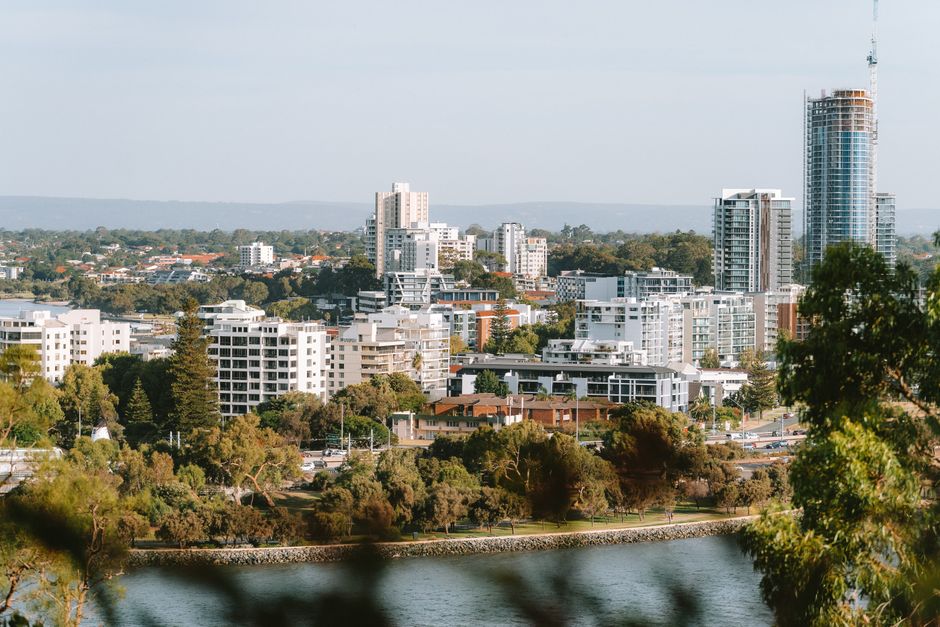
Walk down Mitchell Street on any given evening and you'll encounter the unmistakable hum of Darwin's creative renaissance. What was once a city defined primarily by its frontier heritage and cyclone history is now cultivating a distinctly contemporary cultural personality—one increasingly centred on film, theatre, and live performance. This shift isn't accidental. It's the result of deliberate investment, grassroots initiative, and a community hungry for cultural expression that speaks to its present rather than its past.
The Darwin Entertainment Centre on Geranium Street remains the city's flagship venue, hosting everything from international touring productions to local experimental theatre. But the real transformation has been suburban and decentralised. The Nightcliff Community Hall and the Palmerston Theatre have become incubators for emerging artists, while purpose-built independent cinemas in the CBD have carved out niches for documentary, arthouse, and Southeast Asian film—reflecting Darwin's geographic and cultural position.
The numbers tell a story. Theatre attendance across Darwin's dedicated venues has grown 34 percent since 2023, with local independent productions accounting for nearly 40 percent of programming. The Darwin Film Festival, now in its eighth year, attracts over 8,000 attendees and has become a genuine launchpad for regional filmmakers. Ticket prices—typically $18–$25 for local productions, $22–$28 for touring shows—remain accessible compared to southern capitals, a fact the arts community fiercely protects.
What's striking is how these venues have become identity-markers for neighbourhoods. The Fannie Bay Arts Precinct has transformed underutilised warehouse space into a cluster of studios, rehearsal rooms, and black-box theatres. Meanwhile, smaller galleries and performance spaces along the Mitchell Street renewal corridor have helped anchor that neighbourhood's reinvention as a cultural destination rather than purely commercial zone.
This creative infrastructure serves a psychological function beyond entertainment. In a city historically shaped by external forces—colonial administration, military presence, natural disaster—the theatre and film scenes offer spaces where Darwin's own stories, anxieties, and visions get told on its own terms. Local productions increasingly centre Indigenous narratives, migrant experiences, and climate anxiety—themes that feel urgent here in ways they might not elsewhere.
City planners are taking note. The forthcoming Darwin Creative Quarter proposal allocates funding specifically for performance venues and film production facilities. Whether this represents genuine grassroots support or top-down cultural management remains contested. What's undeniable is that Darwin's theatres and cinemas have become essential infrastructure—not luxuries, but defining features of how the city understands itself in 2026.
This article was compiled by AI from the sources linked above and screened before publishing. See our editorial standards.
Your reaction
Spread the word
About this article
Published by The Daily Darwin
Daily brief
Free, in your inbox before 7am. Weekdays.
The Daily Network — local news across Australia